
Campaigns squeeze TV stations after court blow to political ad rates
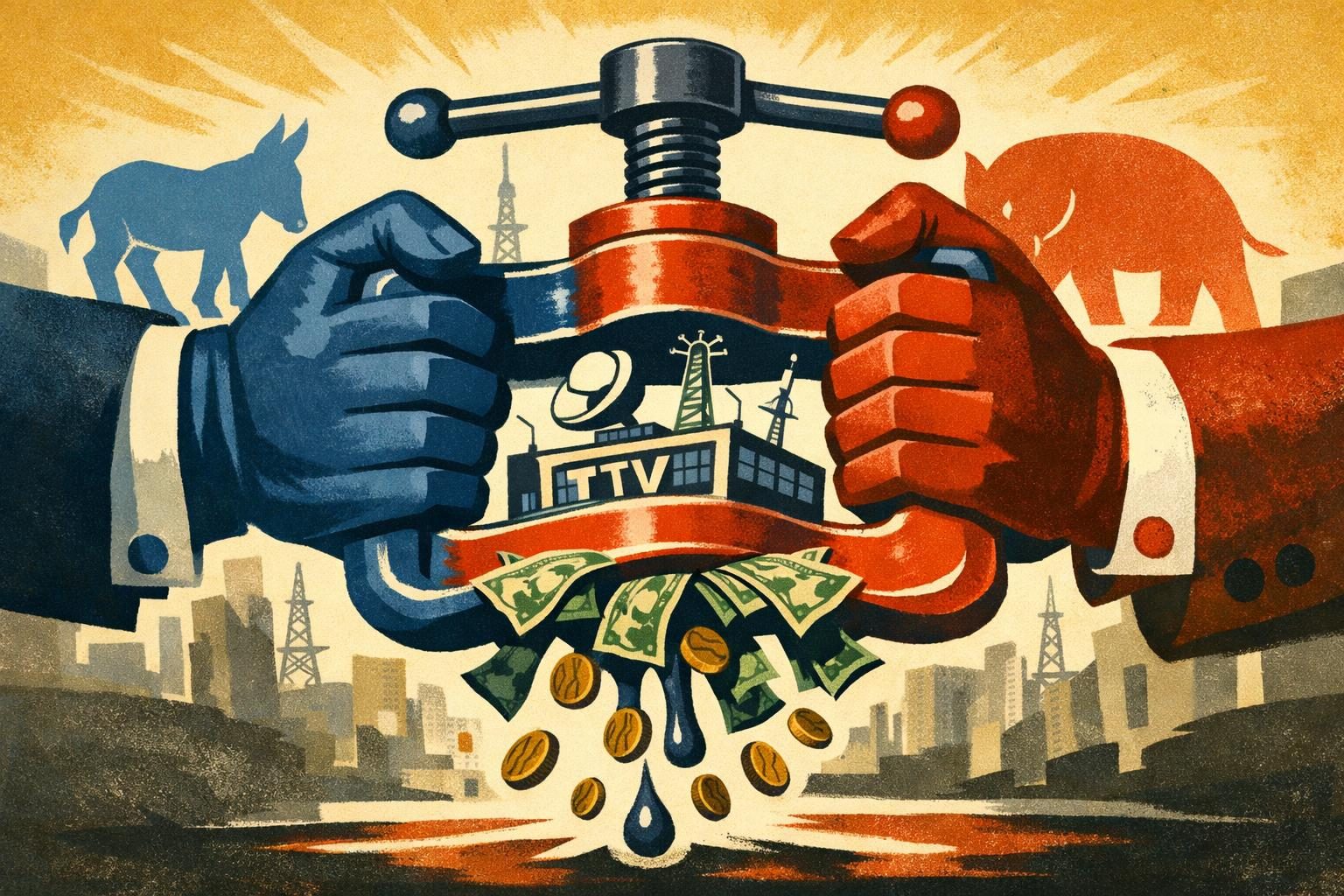
National Democrats and Republicans are suddenly leaning on local television stations to decide how much political advertising should cost after a federal court ruling shook up a long-standing pricing advantage. At the center of the dispute is a set of FCC rules that had allowed more favorable broadcast rates to extend beyond candidate ads to some party and joint fundraising spots. Now campaigns and stations are staring at a much messier question: does the old discount structure still apply in the same way, or has the court effectively narrowed it enough to force a repricing of political airtime? The answer matters because television remains one of the few places where campaigns can still buy large blocks of attention fast, and in a competitive midterm cycle, every price change echoes through strategy and staffing. What looks like a dry regulatory fight is really a fight over who gets the cheapest access to voters and who gets stuck paying the full rate card.
The immediate effect of the ruling is uncertainty, and in political media buying uncertainty can be almost as disruptive as an outright ban. Local stations are being pulled in two directions at once, with some campaigns urging them to keep honoring discounted rates and others arguing that the old rules no longer support the same treatment for party and fundraising ads. Broadcasters do not want to be the ones making a legal interpretation that later turns into a complaint, a refund demand, or a public fight over fairness. But they also have every reason to avoid suddenly abandoning a pricing system that campaigns have built into their budgets and their booking schedules. Political inventory is already among the most valuable assets a station can sell in an election year, and it becomes even more contested when the rules governing who pays what are in flux. That leaves stations in the awkward position of having to guess how aggressive they can be without inviting trouble from either side. For campaigns, the ambiguity is just as frustrating, because every delay or dispute can affect when ads air, where they run, and how much money must be diverted to keep the schedule intact.
The larger political significance is that the ruling could reshape a quiet advantage that Republicans had started to use to their benefit in the midterm media market. That does not mean one party is the only one affected, or that Democrats are suddenly powerless; both sides are now trying to protect whatever savings they can find. But if the court’s interpretation sticks, the practical result could be a narrower path for party committees and joint fundraising operations to tap candidate-style discounts. That would matter because those structures are often used to stretch advertising dollars across multiple organizations and local markets without paying the highest possible broadcast rate. In other words, the ruling is not just about a technical FCC question or a narrow legal theory. It goes to the mechanics of how campaigns and their affiliated committees move money into television advertising, and whether they can still rely on the assumptions that have guided buying decisions for years. If those assumptions fall apart, the cost of persuading voters on television could rise faster than campaigns planned for, especially in the most expensive battleground markets.
That is why the fallout from the case could reach far beyond the current round of legal chatter. Broadcast pricing rules shape more than balance sheets; they influence what campaigns can afford to say, where they can say it, and how often they can repeat the message before Election Day. A more expensive media environment can force operatives to cut back on television, shift more dollars to digital platforms, or concentrate their spending in a smaller number of markets where the returns appear highest. It can also change the tone of a race, because campaigns with less money for broadcast often become more reliant on targeted appeals, sharper contrasts, and outside groups to fill in the gaps. None of that guarantees a dramatic reshuffling on its own, but it does mean the ruling could affect the closing stretch of the campaign in ways that are both practical and political. The real stakes are not just about whether stations honor discounted rates this week. They are about whether campaigns enter the midterm season with a pricing system they understand, or with a new cost structure that forces them to rethink how much oxygen money can buy on the air.
Comments
Threaded replies, voting, and reports are live. New users still go through screening on their first approved comments.
Log in to comment
No comments yet. Be the first reasonably on-topic person here.