
The White House renames Lake Ontario as Lake America, because apparently that was on the agenda
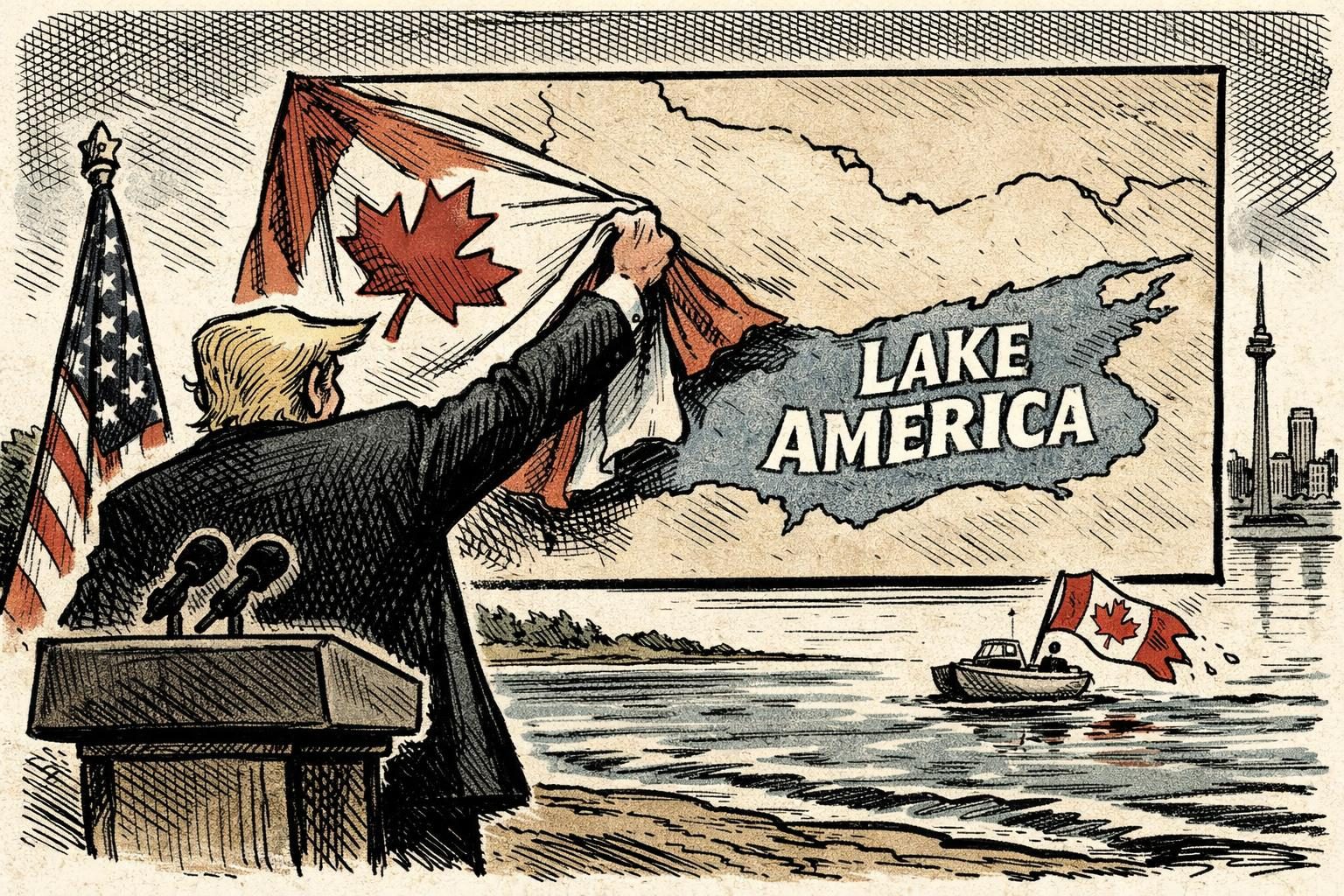
On August 27, the White House took the deeply unserious step of renaming Lake Ontario as Lake America, turning a familiar stretch of freshwater into the latest exhibit in this administration’s habit of treating federal power like a prop room. The order lands as more than a weird branding exercise. It is a deliberate, symbolic move that invites confusion, irritation, and a fresh round of eye-rolling from anyone who still expects the government to spend its time on things that affect actual human beings. In practical terms, the rename does not solve a single problem, lower a single bill, or improve a single public service. It does, however, give the White House another chance to signal that spectacle is not an accidental byproduct of the presidency anymore; it is increasingly the point.
The move also fits a broader pattern of executive theater that seems designed to reward loyalists while provoking everyone else. A Great Lake is not a campaign slogan, but this order has the same flavor: simple, absolutist, and engineered to create a visible cultural fight where there was no urgent administrative need for one. The administration can frame the rename as patriotic flourish if it wants, but that argument runs into the obvious fact that patriotism is usually measured by competence, stability, and a basic respect for institutions, not by rebranding geography on command. The White House appears to be betting that a dramatic gesture will feel bold to supporters and infuriating to critics, which is a reliable political formula when the goal is attention rather than governance. The problem is that federal power is not supposed to be used as a spotlight rental. When the government starts changing official references to a major body of water for the sake of drama, it begins to look less like a serious state and more like a company that keeps changing its logo because the owner wants to prove he is still in charge.
There are also the very ordinary, very annoying consequences that come with pretending a rename is just a bit of harmless trolling. Maps have to be updated, federal documents may need to be revised, educational materials become outdated, and intergovernmental communications can turn into a bureaucratic mess if one side is using one name and another side is using another. That kind of confusion may sound trivial until it ripples through agencies, classrooms, archives, and public references that are built on consistency. Even if the administration expects the order to be largely symbolic, symbols in government have a way of becoming work for everyone else. Canada, unsurprisingly, is unlikely to treat this as a sober act of diplomacy or a meaningful assertion of sovereignty. It reads more like a self-inflicted provocation, one that offers no clear strategic benefit and very little chance of being taken seriously beyond the domestic culture-war audience that enjoys these kinds of gestures. The practical effect is not likely to be instant chaos, but it is likely to be a steady stream of administrative friction, which is its own special kind of waste.
Critics are already framing the rename as a needless stunt, and that criticism has a lot of traction because the order appears to substitute performance for substance. The administration is operating in a political environment full of real and immediate disputes, from election-related conflict to tariff tensions and a growing stack of executive overreach challenges, yet it still found time to focus on a geographic vanity project that solves nothing. That is not just a questionable use of time; it is a revealing one. Every presidency has to decide where to spend its attention, and this White House keeps choosing gestures that generate headlines instead of progress. In that sense, the Lake America move is not important because the public will wake up tomorrow speaking about a different body of water. It is important because it shows how easily the machinery of government can be bent toward absurdity when nobody inside it bothers to ask whether the absurdity serves any purpose. The damage here is smaller than in the administration’s higher-stakes battles, but the lesson is the same: when spectacle becomes the default mode of governing, even something as ordinary as a lake can get dragged into the performance.
Comments
Threaded replies, voting, and reports are live. New users still go through screening on their first approved comments.
Log in to comment
No comments yet. Be the first reasonably on-topic person here.