
California man indicted over records destruction tied to alleged White House attack plot
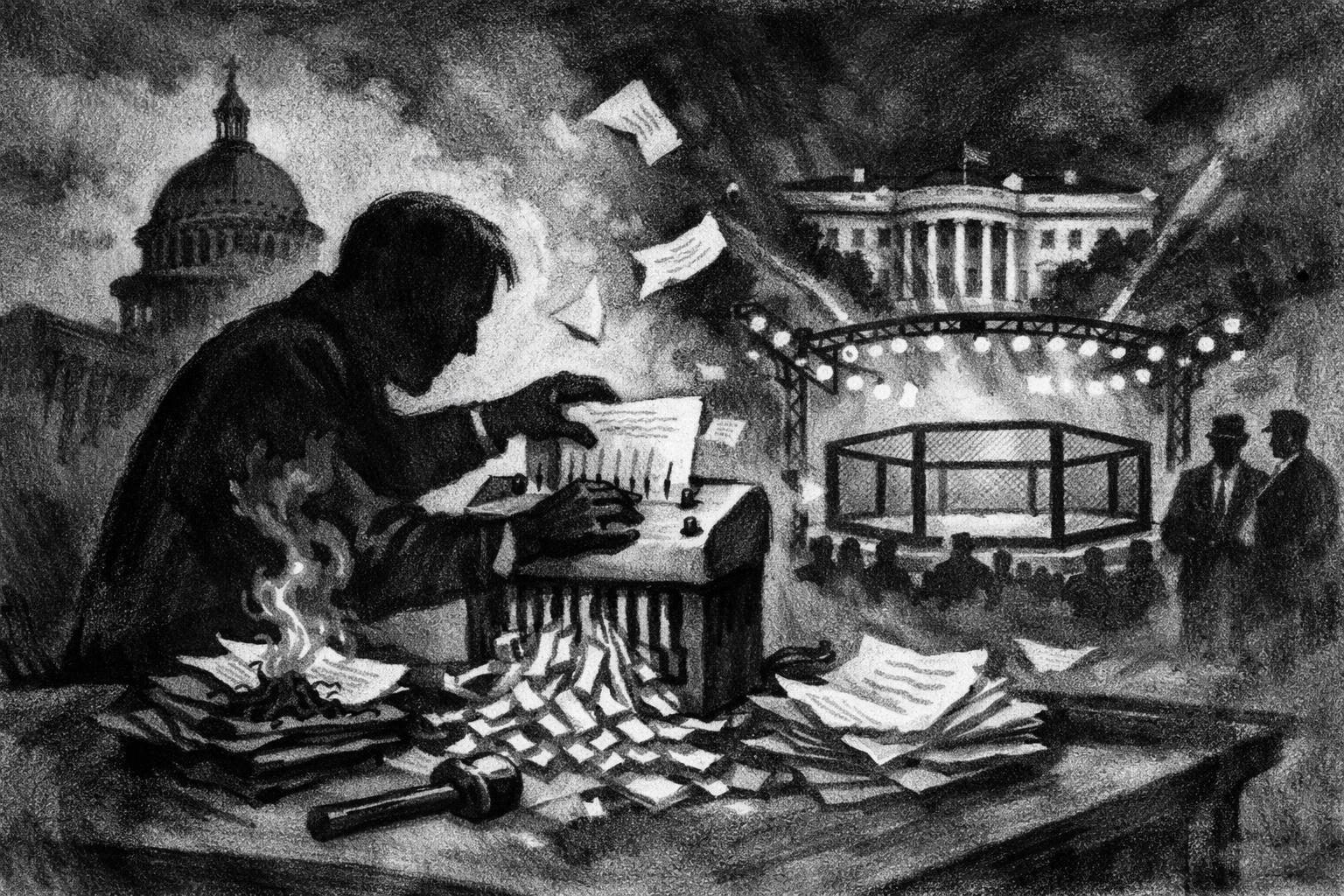
Federal prosecutors in California have taken a new step in a widening investigation into an alleged plot aimed at federal property and officials, filing an indictment that links a Rocklin man to efforts that investigators say went beyond online chatter and into preparations for violence. Christopher M. Perry was indicted on Aug. 28 in the Eastern District of California on charges that include possession of firearms and destruction of records connected to a federal investigation. The filing adds another layer to a case that appears to be part of a broader sweep by investigators examining a plan that, according to prosecutors, included the White House UFC event held on June 14. The government has not publicly laid out every detail of the alleged conspiracy, but the new indictment suggests agents are continuing to trace what participants knew, what they discussed, and what evidence may have been concealed or destroyed.
The Justice Department’s account portrays the case as more than a simple firearms prosecution. Prosecutors say Perry was part of a Signal chat group devoted to planning an attack, and that the group’s discussion drew in multiple potential targets and themes of anti-government violence. Among the ideas investigators say they saw were possible attacks in California aimed at AI data centers, satellite communications facilities, and a technology company. That scope matters because it points to a broader mindset than a single fixed target; it suggests a movement of people willing to talk about hitting both symbolic federal sites and infrastructure linked to technology and communications. The inclusion of the White House event, along with separate California targets, also indicates that investigators were not dealing with an isolated grievance but with a network of conversations that may have been testing different forms of attack.
At the same time, the case still carries important uncertainties. An indictment is an accusation, not a finding of guilt, and prosecutors have not yet publicly detailed the full evidentiary basis for each count. It remains unclear from the public record how central Perry may have been to the alleged planning, what specific firearms were involved, or what records investigators believe were destroyed. But the combination of firearms possession and destruction of records is telling, because those charges often suggest a concern not only about access to weapons but also about efforts to interfere with an investigation after it began. In a case like this, that can matter as much as the original alleged plot, since destruction of evidence can help reveal consciousness of guilt, concealment, or a broader effort to frustrate law enforcement. The indictment therefore seems aimed at both the conduct itself and the alleged attempt to keep parts of it hidden.
The larger significance is that federal authorities appear to be treating the episode as part of a continuing challenge from violent anti-government actors who increasingly organize in encrypted or semi-private online spaces before attempting to move into the real world. The alleged use of Signal, a platform known for private messaging, fits a pattern investigators have seen in other domestic extremism cases, where planning occurs in fragmented group chats and then spreads into threats, target lists, or logistical discussions. What makes this case especially striking is the range of potential targets referenced by prosecutors: the White House event, California infrastructure, and private-sector technology sites. That mix suggests a worldview in which symbolic state power and modern infrastructure are both seen as legitimate targets. Whether the case ultimately proves to be a fully formed operational plot or a dangerous set of preparatory discussions, the government is signaling that it will treat the conduct as a serious national-security and public-safety threat. The indictment also underscores a broader reality for law enforcement: the damage from these networks is not limited to words typed online, because investigators are now trying to determine how close those words came to becoming action.
Comments
Threaded replies, voting, and reports are live. New users still go through screening on their first approved comments.
Log in to comment
No comments yet. Be the first reasonably on-topic person here.