
Ninth Circuit hands down immigration rulings that keep the crackdown on the clock
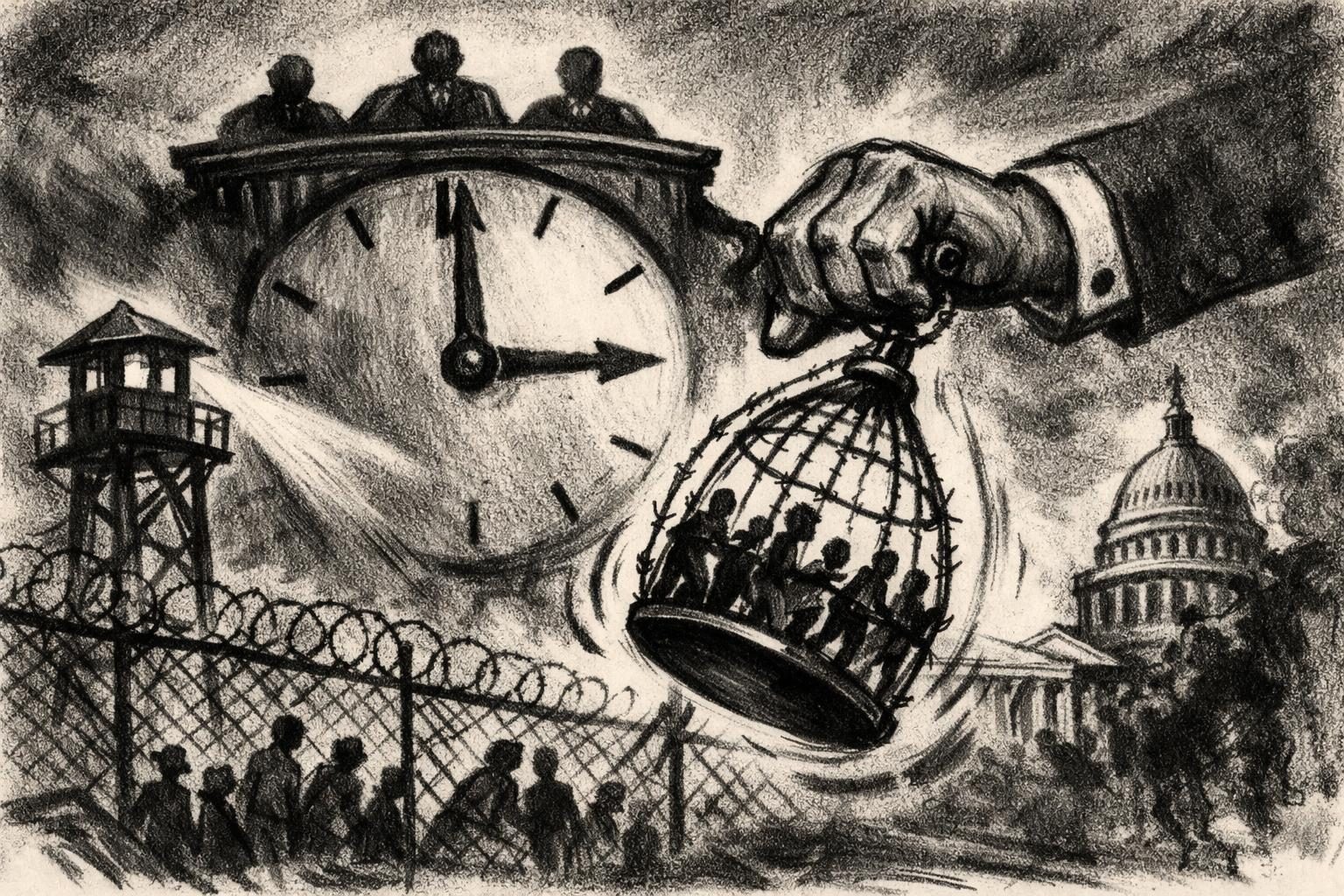
The Ninth Circuit quietly added another round of immigration rulings to the federal docket on August 28, posting both opinions and memorandum dispositions that included multiple cases touching the Board of Immigration Appeals. On paper, that may sound like routine appellate housekeeping. In practice, it is the kind of daily judicial traffic that can matter a great deal in immigration law, where each decision can either tighten the screws on enforcement or expose weaknesses in the machinery that is supposed to carry it out. The cases themselves are not being presented here as splashy constitutional showdowns, but they sit inside a policy arena that remains one of the administration’s most pressured and most politically sensitive. When the courts move on immigration, even in a set of seemingly narrow rulings, they are often shaping how detention, removal, asylum-adjacent claims, and agency discretion will be handled far beyond the specific litigants named in the caption.
That is what makes this batch worth watching. Immigration law has become one of the clearest places where the administration can try to project toughness, demonstrate control, and show it is pushing a crackdown through the system. It is also one of the easiest places for that effort to run into judicial resistance, factual messiness, and the simple reality that the bureaucracy is overloaded. Appellate rulings in this space do not merely resolve one person’s case and move on. They can influence how immigration judges think about evidence, how the Board of Immigration Appeals frames its own authority, and how government lawyers decide whether to press ahead or back off in similar matters. A day with several immigration decisions can therefore signal something larger than the number of cases would suggest: either the legal architecture behind the enforcement drive is holding, or it is showing strain under the weight of repeated challenges.
The timing also matters because immigration litigation tends to move in waves rather than in one dramatic sweep. Courts can issue unpublished or nonprecedential orders that never become famous but still affect how lower tribunals and agencies behave in the real world. That matters for detained people, for families waiting on decisions, and for lawyers who are constantly trying to figure out where the government’s lines are now being drawn. A single appellate ruling can change how a future case is argued or how an immigration judge reads the limits of agency discretion. A cluster of decisions can be even more consequential if it suggests a pattern, especially when those rulings arrive while the administration continues to press its broader enforcement agenda. In that sense, the August 28 postings are not just administrative entries on a court website. They are evidence that the legal fight over immigration policy is still actively being written, one order at a time.
There is also a practical political subtext here. If the government is securing favorable outcomes, it gets to point to those rulings as proof that its enforcement approach is surviving judicial scrutiny. If it is getting pushed back, then the crackdown narrative starts to look thinner, and the legal foundation underneath it starts to look shakier than the rhetoric suggests. Neither outcome is abstract. People can remain detained longer, be moved through the system faster, or get additional opportunities to challenge agency action depending on how these appellate decisions land. Agencies can also become more cautious if they sense the courts are watching closely, which can slow the machinery even without a sweeping headline-grabbing defeat. That is why a day of immigration rulings from the Ninth Circuit is worth treating as more than procedural clutter. It is a live signal about how much confidence the enforcement state can reasonably have in the courts at this moment.
What happens next will likely depend on whether these decisions are read as isolated case management or part of a larger judicial pattern. Similar cases may continue to surface quickly, especially if lawyers see openings in the reasoning or believe the court has clarified where the boundaries now sit. The Board of Immigration Appeals and related agencies may also adjust their posture if the rulings make certain arguments harder to sustain. If they do not adjust, then the pressure simply shifts back into more litigation, more backlogged appeals, and more people caught in a system that is already difficult to navigate. The public does not always see the impact immediately, but immigration rulings tend to reverberate through detention facilities, immigration courts, and government legal offices long after the opinions are posted. In that way, August 28 was not a dramatic day so much as another reminder that the immigration crackdown is being tested continuously in court, and that the courts remain one of the few places where its momentum can still be checked, redirected, or confirmed.
Comments
Threaded replies, voting, and reports are live. New users still go through screening on their first approved comments.
Log in to comment
No comments yet. Be the first reasonably on-topic person here.