
Justice Department quietly corrects its China-hacking claim after overreaching in public
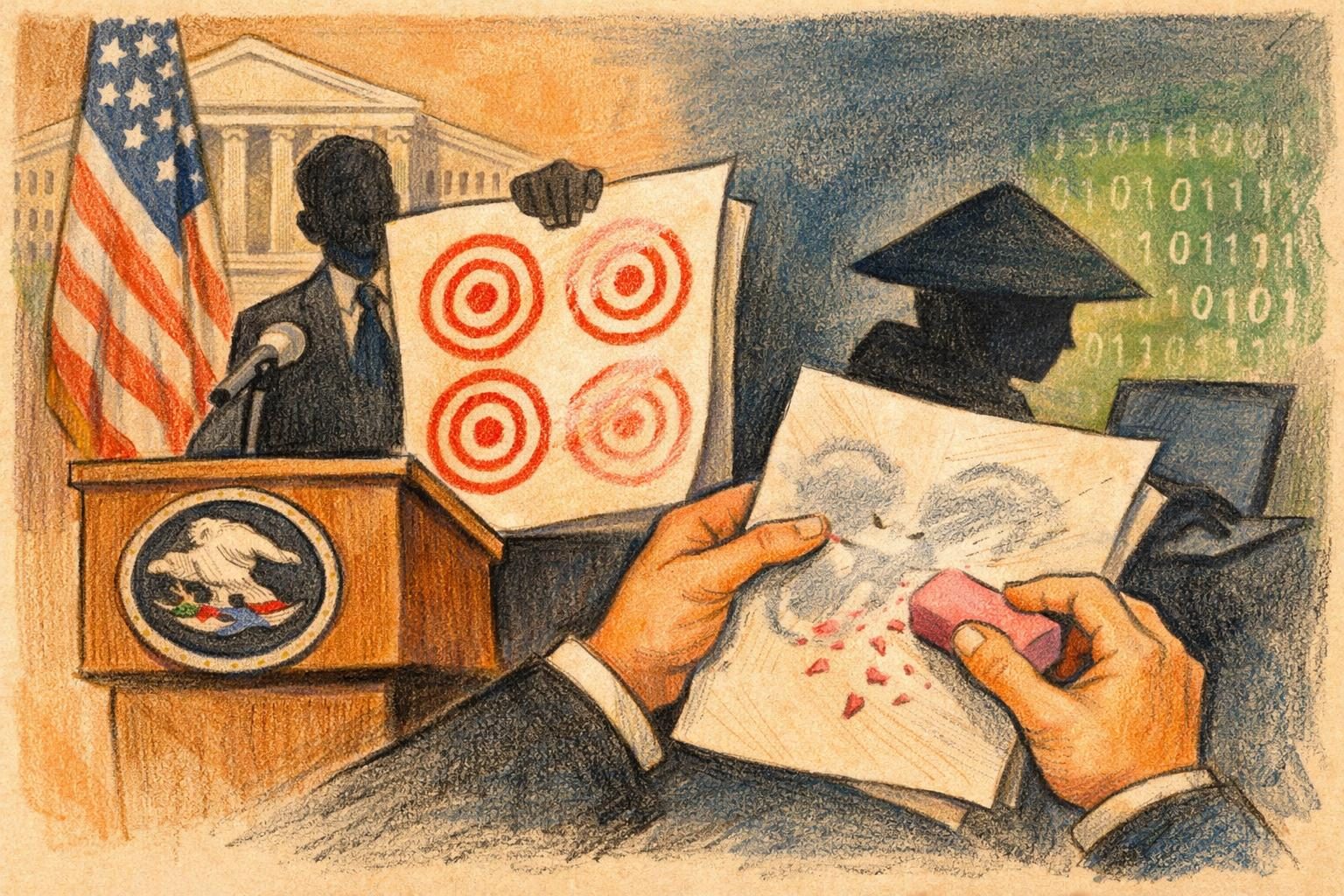
The Justice Department quietly revised a public cybersecurity statement on Friday after language in an earlier version appeared to go further than the underlying court filing would support. The original wording suggested that several federal agencies had been hacked as part of a campaign attributed to Chinese state-backed actors, but the corrected version made a narrower claim: some agencies were among the targets, while only some were actually compromised. That distinction may sound technical, but in cyber cases it is often the difference between a serious intrusion and a threat that was detected before lasting damage was done. For a public statement from the country’s top law enforcement agency, that difference is not a footnote. It goes directly to the accuracy of what the government told the public, and to how much confidence people should place in official threat assessments when the facts are still being sorted out.
The correction matters because cyber incidents are among the easiest national-security matters to oversimplify in public. Investigations can move slowly, attribution is often probabilistic, and the language that investigators use internally does not always translate cleanly into a press release or public statement. Still, the original phrasing created a much broader impression than the affidavit apparently supported, and that kind of overstatement can shape public understanding long after a correction is issued. When officials say an agency was hacked, most people hear a successful breach, not a mere attempt or targeting effort. That gap between the public-facing language and the underlying record is exactly where credibility problems begin. If the government wants to be taken seriously when it warns about foreign cyber activity, it has to get the basics right before the message leaves the building.
The broader political and diplomatic context makes the cleanup more sensitive. Claims about Chinese state-backed hacking already carry significant weight, both because of the scale of concern around Chinese cyber operations and because such allegations can affect everything from domestic security messaging to international pressure campaigns. A statement that appears to overreach does not just create a technical correction problem; it invites questions about whether officials are leaning too hard on the most dramatic version of events. That does not mean the underlying threat is imaginary or that the agencies involved were somehow untouched. It does mean the government’s first public description may have blurred an important line between being targeted and being penetrated, and that line matters when the topic is foreign cyber activity involving major institutions. In a setting where precision is supposed to be the point, even a small language shift can look like a much bigger failure of judgment.
The episode also gives critics an opening to argue that the government is too quick to convert cyber incidents into a broader political narrative. If the earlier statement gave the impression that multiple agencies had been compromised when the affidavit showed a narrower picture, that is the kind of mistake that feeds suspicion about what gets emphasized and what gets softened. It does not automatically prove bad faith, and it may simply reflect the speed and complexity of messaging in a sensitive investigation. But it does prove that the first version was too loose for a subject where accuracy is supposed to be nonnegotiable. The Justice Department’s correction amounts to an acknowledgment that its public description outran the record, even if only by a little. And in a week when government credibility is already under pressure from legal and political fights elsewhere, having to walk back a national-security statement is not the sort of housekeeping anyone in the White House wants on the schedule.
Comments
Threaded replies, voting, and reports are live. New users still go through screening on their first approved comments.
Log in to comment
No comments yet. Be the first reasonably on-topic person here.