
Missouri’s interim Jackson County executive is indicted for bribery
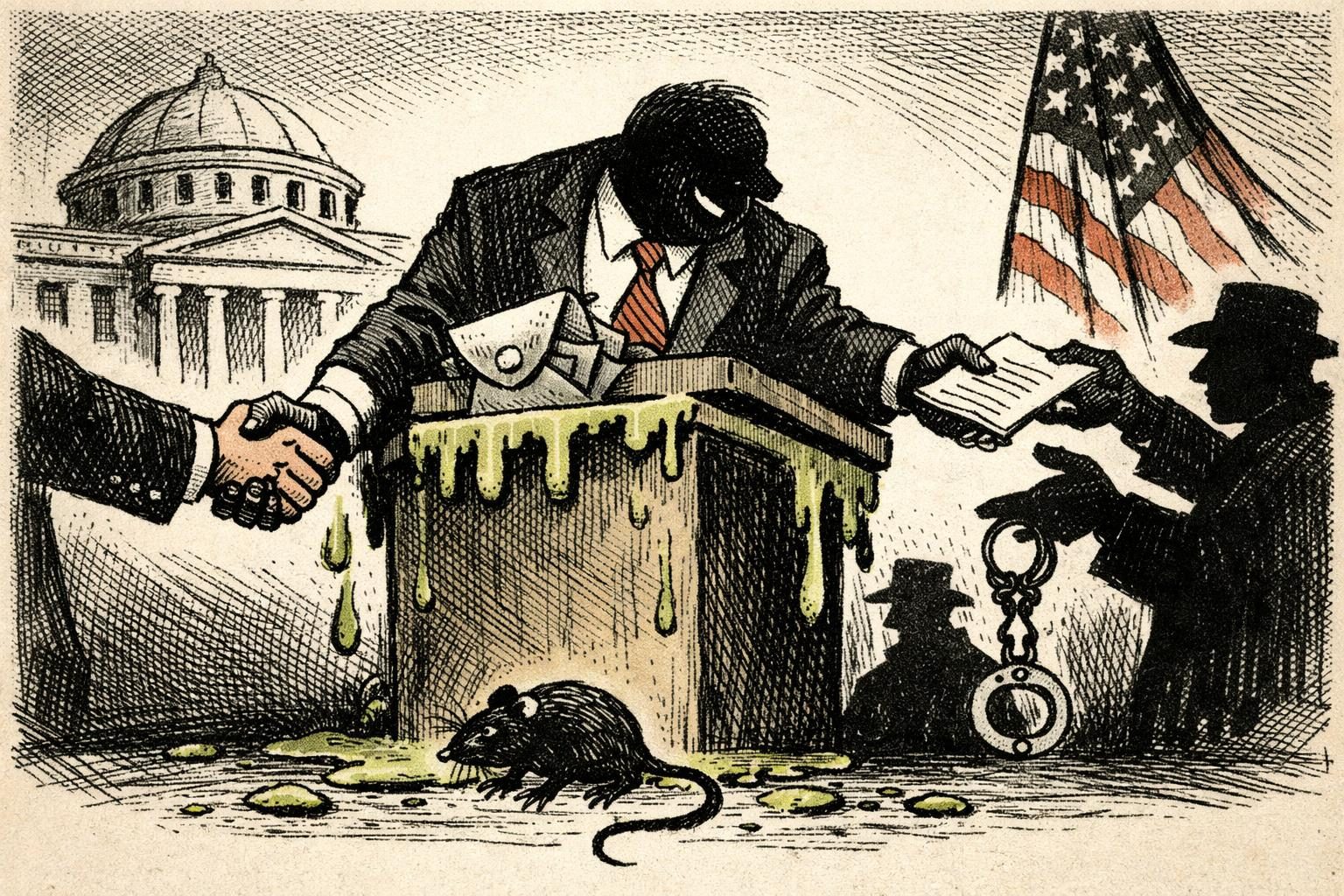
Federal prosecutors in Missouri say interim Jackson County Executive Philip LeVota has been indicted on bribery charges, turning what might have been dismissed as another noisy local political dispute into a formal federal corruption case. According to the indictment announced on August 28, prosecutors allege that LeVota entered into an arrangement in which government jobs were to be exchanged for political actions that benefited him personally. The charging document also says he made false statements when questioned by federal law enforcement. That combination matters because it suggests prosecutors are not treating this as a misunderstanding about campaign politics or office management, but as an intentional effort to use public power as a bargaining chip. In plain terms, the allegation is that county government was being treated less like a public trust and more like a currency exchange for influence.
The details released so far point to the kind of corruption case that feels familiar precisely because it is so damaging. Local governments run on appointments, hiring decisions, access, and informal loyalty networks, and those are the points where patronage systems tend to thrive. When prosecutors say a county executive was willing to trade jobs for political favors, they are describing a scheme that sits squarely in the old machine-politics tradition: reward allies, buy silence, and convert public authority into private leverage. Whether the case ultimately proves every allegation in court is a separate question, but the accusation itself is serious enough to cast a shadow over the office and over the hiring process around it. Even before any trial, a bribery indictment can freeze decision-making, unsettle staff, and leave residents wondering which county actions were made for the public and which were made to keep somebody’s political operation moving. That suspicion alone is corrosive.
This is also a reminder that the most consequential corruption cases are often not the ones that dominate national attention. County-level governance is where people encounter the state in practical, everyday ways, through jobs, permits, contracts, tax decisions, and the people chosen to administer them. If those choices are being shaped by personal loyalty or political payoff, the damage is immediate and concrete, even if it never becomes a grand national scandal. Federal prosecutors often end up doing the unglamorous work of documenting these arrangements because local systems can be too intertwined, too protective, or too politically compromised to police themselves effectively. That reality is uncomfortable, but it is also central to understanding why these cases keep surfacing. Corruption does not need a dramatic conspiracy to be destructive; it only needs enough people in power to act as if the rules are negotiable. Jackson County is now dealing with the consequences of that possibility.
LeVota will, of course, be entitled to the presumption of innocence, and defenders are likely to stress that an indictment is not a conviction. That distinction matters in any fair system, and it should not be brushed aside just because the allegations are ugly. But prosecutors say they have evidence supporting a quid pro quo-style arrangement involving public positions and political conduct, and that is exactly the sort of claim that can fracture trust quickly. Once a public official is accused of monetizing or weaponizing hiring power, every subsequent personnel decision becomes harder to view as routine. The fallout is likely to include more scrutiny of county hiring, more questions about who was promised what, and more pressure on other officials to explain what they knew and when they knew it. In corruption cases, the legal process may take months or years, but the political verdict often lands immediately.
The broader significance of the indictment is not just that one official faces serious charges. It is that the case offers a clean view of how patronage politics can still survive in a supposedly modern public system. People usually think of corruption as dramatic envelopes of cash or brazen contract scams, but the quieter version can be just as toxic: jobs, favors, access, and influence traded behind closed doors while the public is told everything is ordinary. If prosecutors are right, this case shows that old habits remain alive wherever oversight is weak enough and ambition is strong enough. And if county government wants to rebuild trust after a case like this, it will have to do more than issue denials and hope the headlines move on. It will need to confront how power was being used, who benefited from it, and why the system allowed it to get this far in the first place. The indictment does not answer all of those questions, but it ensures they can no longer be ignored.
Comments
Threaded replies, voting, and reports are live. New users still go through screening on their first approved comments.
Log in to comment
No comments yet. Be the first reasonably on-topic person here.