
EEOC keeps filing and settling discrimination cases while the rest of the government melts down
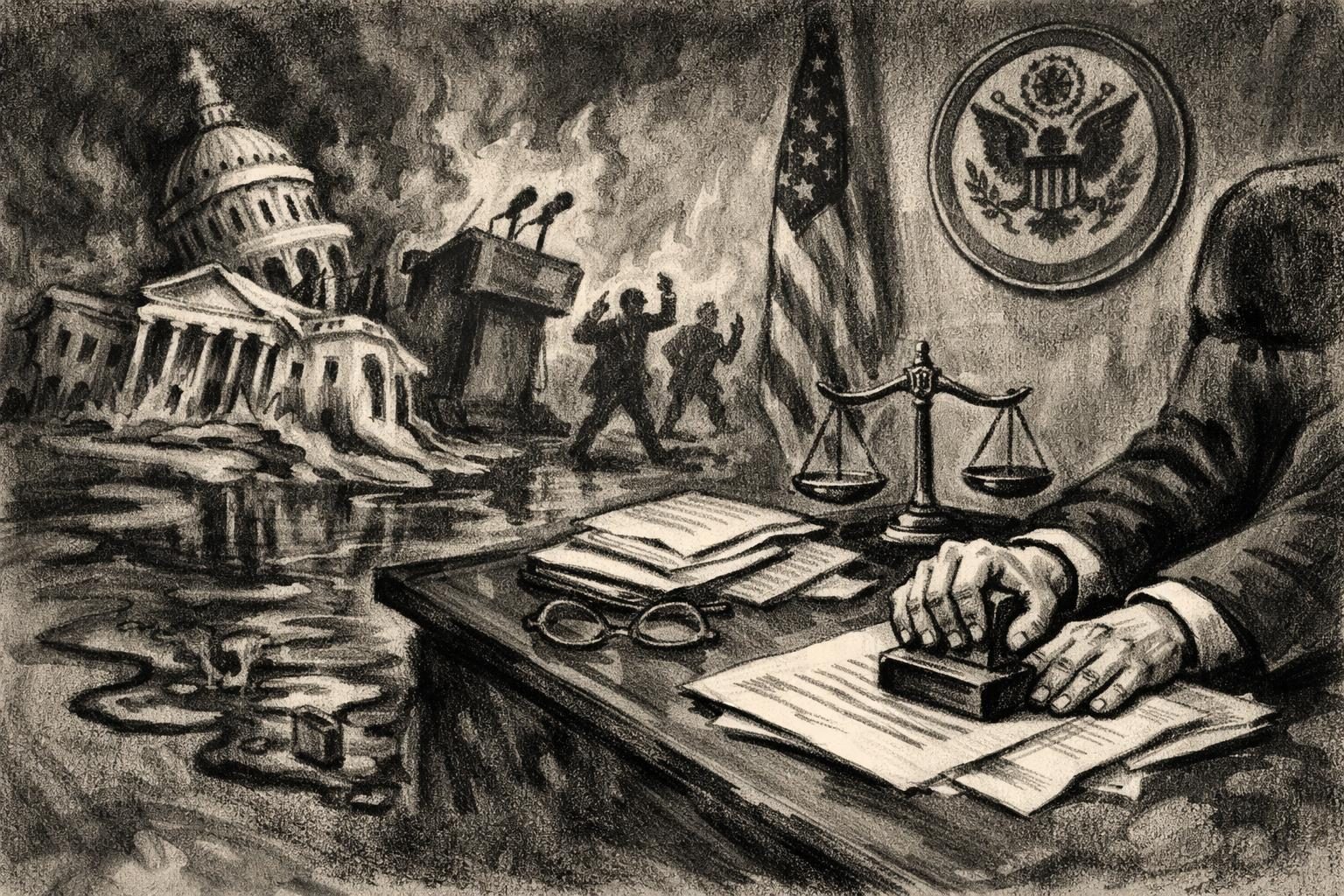
The Equal Employment Opportunity Commission spent August 28 doing what a lot of the federal government appears increasingly allergic to doing: showing up, filing cases, and pushing actual enforcement actions through the system. The agency announced a cluster of civil-rights matters that ranged from a settlement with American Airlines to a fresh lawsuit against Dentsu, along with additional employment-discrimination items posted the same day. None of it was flashy. None of it was designed for cable-news panic or constitutional theater. But it was work, the tedious and necessary kind that turns workplace protections from slogans into something a company has to pay attention to.
The biggest dollar figure in the batch was a $200,000 settlement tied to a disability-discrimination matter involving American Airlines. The agency did not present the deal as a grand moral reckoning, and it does not need to be treated as one. Settlements are often the government’s way of resolving claims without grinding everyone through a longer legal fight, while still extracting money and commitments from an employer accused of crossing a legal line. The amount itself is modest in the context of corporate litigation, which is part of the point: civil-rights enforcement is usually not cinematic. It is complaint, investigation, negotiation, and either settlement or litigation, all handled in the bureaucratic language of remedies, compliance, and policy changes. The public rarely notices this machinery unless it stops working, which is why even a routine announcement like this is worth noticing when so much else in Washington seems devoted to chaos management.
The EEOC also filed a pregnancy-discrimination lawsuit against Dentsu, adding another case to the agency’s steady stream of workplace-enforcement actions. Pregnancy discrimination remains one of the most common and familiar forms of employment bias, which makes every new case less surprising than depressing. The legal protections are not mysterious, and the alleged violations are usually not subtle: an employer is accused of treating a worker worse because of pregnancy, related medical needs, or assumptions about what motherhood means for productivity. The agency did not, in its announcement, resolve the merits of the claim, and that distinction matters. A lawsuit is not a finding of guilt. It is a formal statement that the EEOC believes the evidence is strong enough to drag the issue into court and ask a judge to sort it out. In other words, this is the part of government that still behaves as though laws are meant to be enforced rather than simply referenced in speeches.
What makes the August 28 flurry notable is not any one case standing alone, but the contrast it creates with the broader federal mood. A great deal of the national conversation is occupied by spectacle: legal brinkmanship, performative outrage, and endless fights that seem built more for cameras than for governance. Against that backdrop, the EEOC’s posture looks almost quaint. It is still posting cases. It is still announcing settlements. It is still signaling that employers who violate basic workplace rights can expect consequences, even if those consequences arrive in the form of a settlement agreement, a complaint, or a lengthy administrative process rather than some thunderclap of political drama. That is not the stuff of a triumphant reform narrative, and it is certainly not glamorous. But it is how civil-rights law lives or dies in practice. If the rest of government is busy melting down in public, the EEOC’s ordinary paperwork grind is a reminder that some parts of the state are still functioning as if the law means what it says.
Comments
Threaded replies, voting, and reports are live. New users still go through screening on their first approved comments.
Log in to comment
No comments yet. Be the first reasonably on-topic person here.