
Senators blast ICE’s plan to buy electric shock gloves
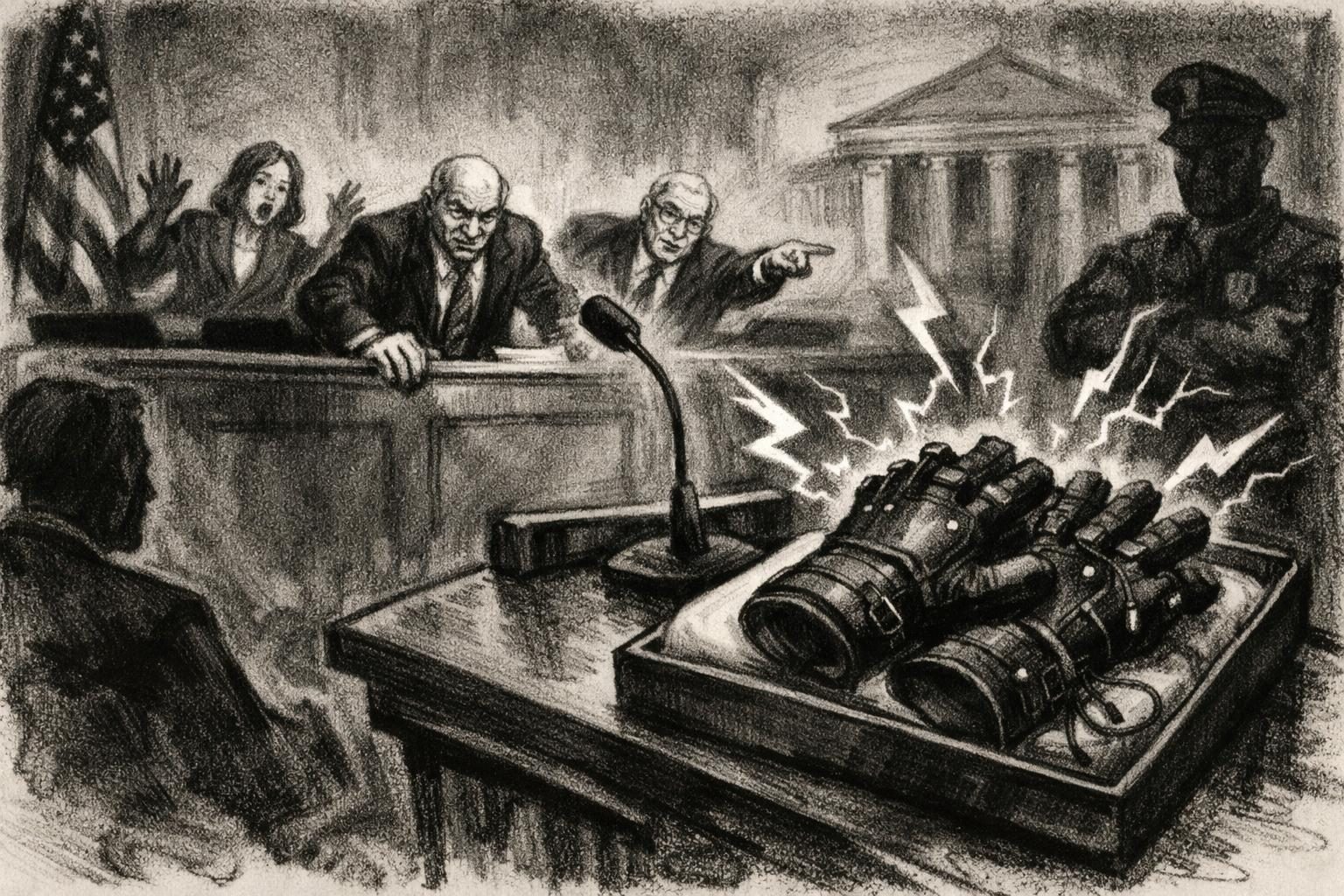
Democratic senators are demanding that the Trump administration scrap a procurement plan that would put electric shock gloves in the hands of U.S. Immigration and Customs Enforcement, arguing that the proposal is reckless, unnecessary, and hard to square with any serious commitment to humane law enforcement. The underlying notice, posted earlier this month, describes a glove capable of delivering a painful electric shock and places the possible contract value in the range of $10 million to $20 million. That alone has turned what might otherwise have been a dry contracting item into a political flashpoint. It suggests the idea was not some stray brainstorm floating around an office after a long day, but an actual acquisition effort moving through the government’s machinery. For critics, that makes the whole episode worse, not better. It points to a bureaucracy willing to put a price tag on a device whose purpose appears to be intimidation as much as restraint.
The senators involved are pressing for answers about how such a tool would be used, who would be authorized to use it, and what restrictions would govern deployment. Those questions are not ornamental. They go to the heart of whether DHS has done any meaningful analysis of the risks to detainees, bystanders, officers, and the agency itself. Electric shock devices are not ordinary equipment, and a glove designed to inflict pain raises immediate concerns about escalation and abuse. Even if officials argue the gloves could be limited to certain scenarios, the public has heard this kind of reassurance before when new force tools are introduced. Once purchased, specialized equipment tends to become normalized, and once normalized it tends to spread. What starts as an asserted safeguard often ends up as a routine item in the field, with the most important policy decisions happening long after the contract is signed.
That is why the backlash has been so sharp. The political problem is not merely that the image of immigration officers with shock gloves is ugly, though it is. The larger issue is what the plan says about the agency’s direction under Trump and the broader mood inside federal immigration enforcement. Instead of emphasizing restraint, transparency, and proportionality, the procurement signals a willingness to keep adding new coercive hardware to an already controversial system. It invites a basic question about priorities: if DHS can find room in the budget for a gadget designed to deliver pain, what exactly does that say about how it wants ICE to interact with the public? Supporters of the proposal may argue that officers need more tools to maintain control in volatile situations, but that line of defense does not erase the optics or the civil-liberties concerns. A democracy does not become safer simply because it purchases more ways to hurt people.
The senators’ request is also about oversight, or the lack of it. They want documentation showing whether anyone inside DHS seriously evaluated the safety and legal implications before the plan advanced. They want to know the proposed use cases, whether the gloves would be deployed in detention settings, field operations, or some other context, and what guardrails would exist to prevent misuse. Those are the sorts of details that matter most when a new force device is on the table, because the devil is always in the implementation. A procurement notice can make a product sound clinical and procedural, but the real-world impact is messier and more consequential. The current uproar fits a broader pattern in which critics of immigration enforcement say the public often learns about the agency’s true direction only after the hardware has already been ordered. For now, the senators are trying to halt the process before a novelty punishment gadget becomes another line item in the immigration enforcement arsenal. Whether the administration backs off remains unclear, but the political damage is already done: the idea has landed as yet another expensive reminder that toughness is easy to market and much harder to justify.
Comments
Threaded replies, voting, and reports are live. New users still go through screening on their first approved comments.
Log in to comment
No comments yet. Be the first reasonably on-topic person here.