
Schiff and Padilla demand an investigation after ICE tried to enter a Sacramento law firm
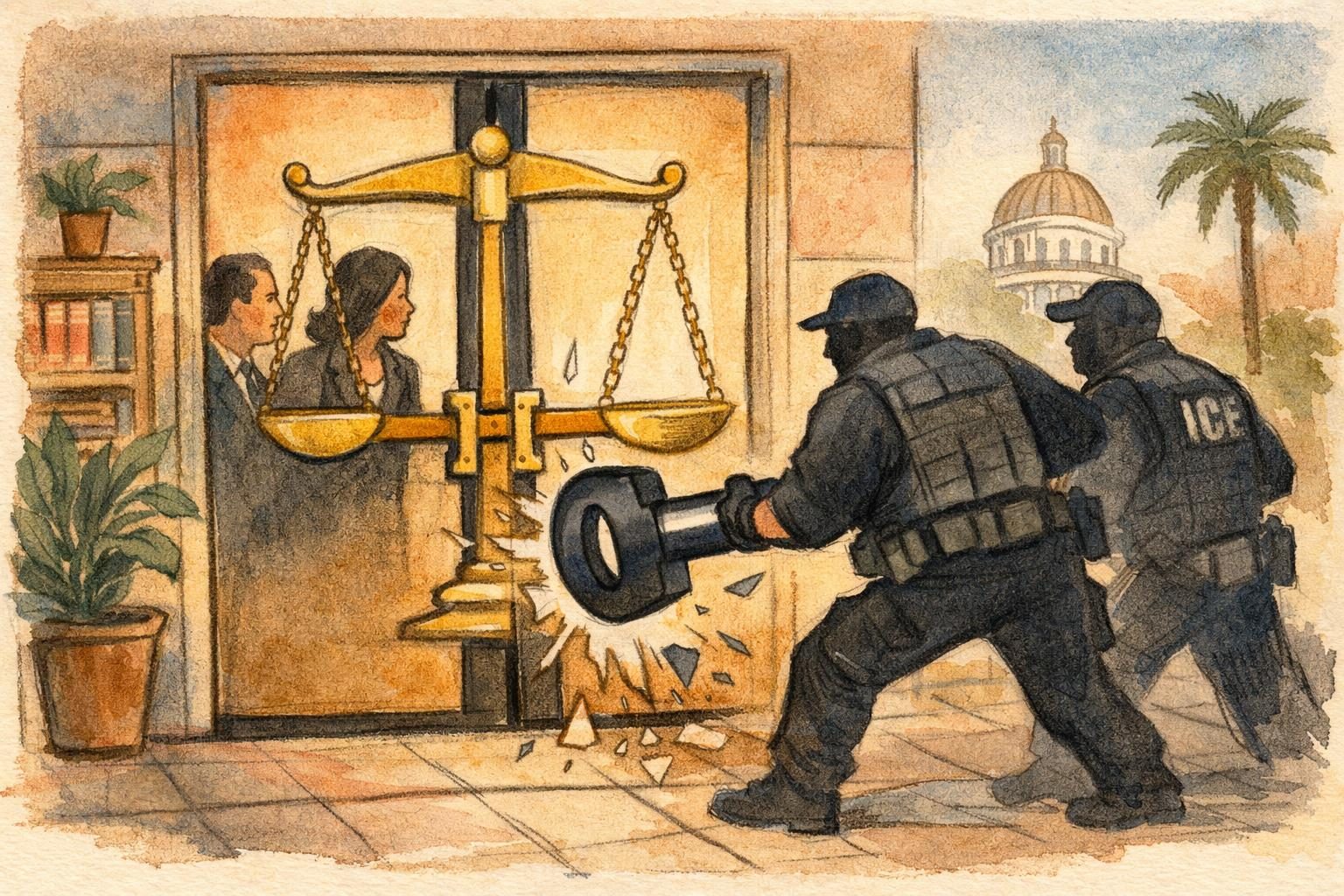
Sen. Adam Schiff and Sen. Alex Padilla are pressing for a formal investigation after immigration agents tried to enter a Sacramento law office, an episode that has quickly become a new flash point in the fight over how federal enforcement is carried out. The lawmakers say the building was clearly a legal office serving immigrants, which makes the incident more than a simple dispute about timing or misunderstanding. At the center of their complaint is a basic question with constitutional weight: what exactly were agents authorized to do, and what, if anything, justified their attempt to get inside without a warrant? Schiff and Padilla are framing the matter as a test of whether federal officers still recognize the limits that are supposed to govern their conduct. If the facts unfold the way the senators describe, the encounter does not look like a minor procedural lapse. It looks like the kind of overreach that can chill legal access and erode trust far beyond one address in Sacramento.
The senators are not treating the incident as an isolated misstep. In their public push for accountability, they argue that it fits a broader pattern of aggressive immigration tactics that blur the line between lawful enforcement and coercive intimidation. That argument matters because law offices, especially those representing immigrants, are supposed to be places where people can seek advice without fearing that the government will treat the consultation itself as suspicious. A forced attempt to enter such a space raises obvious concerns about private property rights, the scope of federal authority, and the safety of clients who may already be reluctant to come forward. Even where the government insists no harm was intended, the optics are hard to dismiss: agents at the door of a law office, the apparent absence of a warrant, and a public dispute over whether the law was followed. For critics of ICE and DHS, that combination is exactly what fuels the perception that enforcement has become less about lawful process and more about showing force.
DHS has sought to downplay the significance of the Sacramento episode, but the lawmakers’ account leaves little room for the usual shrug it off and move on response. Schiff and Padilla say the incident should be reviewed officially because the question is not simply whether agents visited the location, but whether they understood — or ignored — the legal boundaries attached to that visit. Their letter also reflects a deeper anxiety that has been building across immigrant communities: if federal officers can push at the door of a law office, what other spaces are they willing to treat as fair game? That concern extends beyond one profession or one building. Lawyers need to be able to meet clients, collect information, and prepare cases without clients worrying that the government will turn the attorney’s office into a scene of confrontation. When that basic confidence is shaken, it becomes harder for people to seek help, and harder for the legal system to function as a genuine check on enforcement power.
The broader political context only sharpens the dispute. Immigration enforcement has become one of the administration’s most visible arenas for testing how much aggressive conduct can be normalized before it triggers serious pushback, and that is why this case is attracting attention well beyond Sacramento. Democrats are now using the episode to argue that DHS and ICE are sliding toward a style of enforcement that treats civil liberties as obstacles rather than guardrails. Their defenders, meanwhile, are left trying to explain how a clearly identified law office ended up in the middle of a confrontation that should never have been necessary in the first place. The stakes are not limited to a single warrant question. They go to whether immigrant communities can trust that federal officers will respect boundaries, whether lawyers can do their jobs without intimidation, and whether the government is becoming comfortable with conduct that would look alarming anywhere else. Even if the official account eventually narrows the dispute or recasts the visit as a mistake, the political damage may already be done, because the episode neatly captures the larger fear driving the debate: that enforcement agencies are becoming increasingly willing to test the limits until someone with authority finally says enough.
Comments
Threaded replies, voting, and reports are live. New users still go through screening on their first approved comments.
Log in to comment
No comments yet. Be the first reasonably on-topic person here.