
Federal judge keeps Illinois sanctuary fight alive
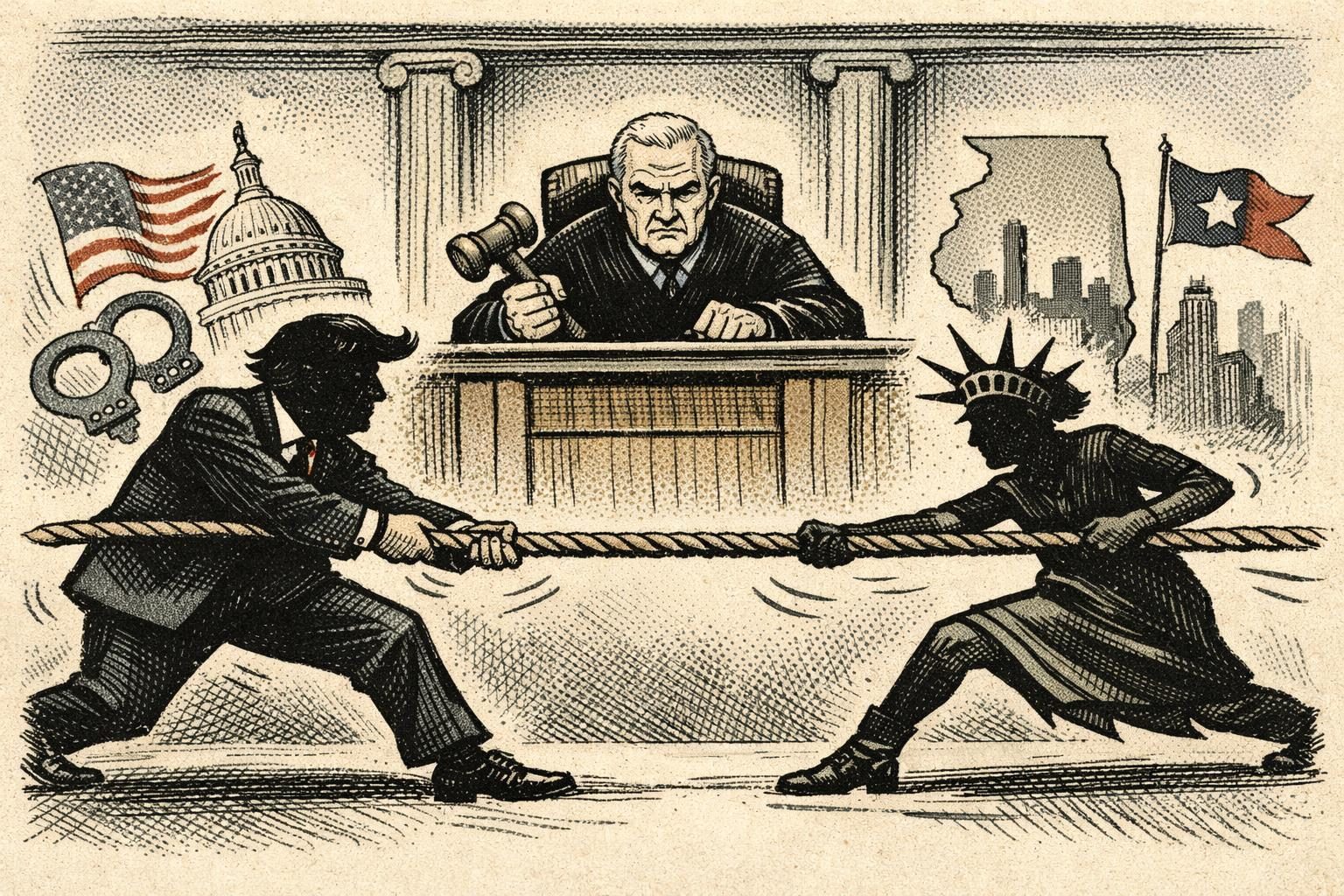
A federal judge’s decision on Aug. 28 to let the Justice Department’s lawsuit against Illinois move forward did not settle the sanctuary-state fight, but it did ensure the confrontation stays alive. The government’s case targets Illinois, Gov. J.B. Pritzker and Attorney General Kwame Raoul over laws and policies the administration says improperly interfere with federal immigration enforcement. For now, the ruling means the Justice Department has cleared the first procedural hurdle and will get a chance to argue that Illinois cannot use state law to frustrate federal immigration officers. That is a meaningful win for the government, even if it is not the kind of decisive ruling that ends the matter. It also signals that the dispute is headed toward a longer, more expensive battle rather than a quick dismissal. In practical terms, the court’s decision keeps one of the administration’s sharper immigration clashes on the docket and leaves both sides bracing for a fight over the reach of state authority and the limits of federal power.
At the center of the case is a familiar but combustible question: how much can Washington demand that states and local governments help carry out federal immigration policy? The Justice Department says Illinois crossed the line by adopting sanctuary-style protections that restrict cooperation with immigration officers and, in the government’s account, create legal exposure for federal agents doing their jobs. Illinois has defended those policies as lawful safeguards designed to prevent abuse and protect residents from overreach, especially in communities that may already distrust law enforcement. That disagreement goes beyond a single statute or one state’s political posture. It reflects a much larger legal and political battle over whether immigration enforcement is a shared enterprise or a federal command that states must assist regardless of local judgment. The Illinois Bivens Act and related measures sit at the heart of that clash, and the administration’s lawsuit is aimed squarely at invalidating them. By keeping the case alive, the court has allowed both sides to keep arguing not just over the text of the law, but over the basic structure of federalism in an area where the stakes are highly political and often deeply personal.
The administration’s choice to sue is also part of a broader strategy that has become increasingly familiar in immigration disputes. Rather than relying only on federal agents and federal facilities, the government is using the courts to pressure states that resist cooperation and to set a legal example for others. Illinois is not the only target in that broader campaign, and the move fits a pattern of challenging state and local policies that limit cooperation with immigration enforcement. The Justice Department has framed similar suits as efforts to remove obstacles to enforcement, while opponents see them as attempts to bully blue states into adopting federal priorities on Washington’s terms. That tension is especially sharp in places that have built sanctuary policies around local control, civil liability concerns, and fears that aggressive immigration cooperation can chill trust between residents and police. The result is that each lawsuit carries both legal and symbolic weight: the government is not only seeking a court order, but also trying to send a message about who gets to set the rules. Whether that approach ultimately produces more compliance or more resistance remains uncertain, but the filing itself shows that the White House and Justice Department are willing to use litigation as a central tool in the immigration fight.
The immediate effect of the ruling is to push the case deeper into the next stages of litigation, where the questions will become more detailed and the maneuvering more intense. Discovery, briefing and additional motions are likely to follow, and each step gives both sides another chance to sharpen their arguments. That means more time, more legal bills and more opportunities for the administration to present the dispute as a test of whether federal law can be blocked by state policy. It also means Illinois will have more room to argue that the federal government is trying to convert a policy disagreement into a constitutional crisis. Even if the Justice Department eventually succeeds on some claims, that would not necessarily resolve the broader conflict over immigration enforcement and state discretion. The administration may secure some legal victories, but it still faces the problem that sanctuary fights tend to linger, generate headlines and harden political lines rather than produce clean resolutions. For now, the ruling simply ensures that the battle continues, with Illinois serving as the latest venue for a federalism fight that has become as much about politics and leverage as it is about law.
Comments
Threaded replies, voting, and reports are live. New users still go through screening on their first approved comments.
Log in to comment
No comments yet. Be the first reasonably on-topic person here.