
Nevada wins a major round against Kalshi’s sports-betting scheme
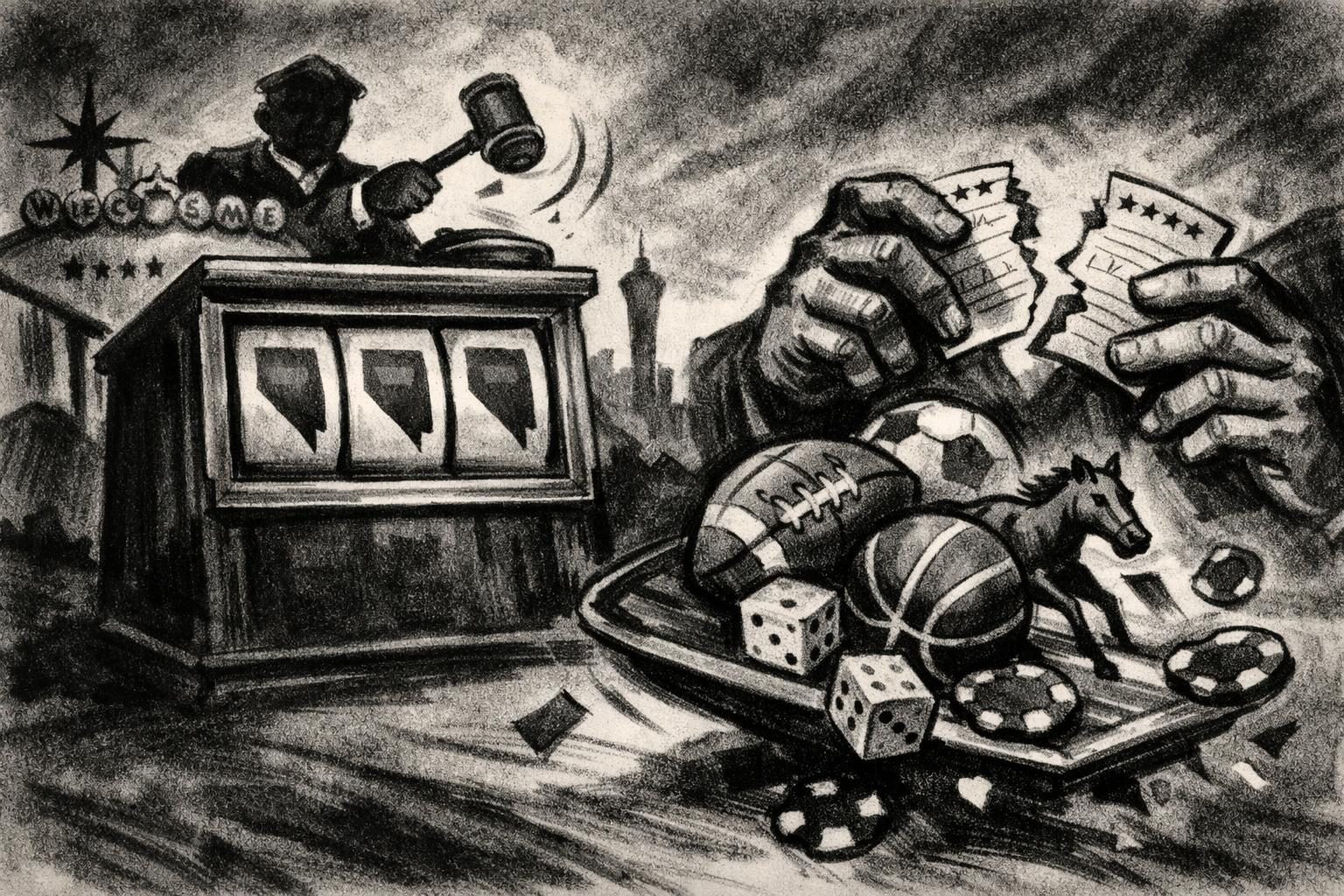
A federal appeals court panel has given Nevada an important early win in its legal fight with Kalshi, the prediction-market company that has been trying to restart trading tied to sports and election outcomes in the state. The panel declined to let Kalshi resume those contracts while the broader dispute plays out, leaving in place a significant roadblock to the company’s Nevada ambitions. At the center of the fight is a familiar but increasingly consequential question: whether a trading platform can call a wager an “event contract” and thereby escape the laws that would normally treat it as gambling. For Nevada regulators, the answer is plainly no, or at least not automatically. For Kalshi, the answer has to be yes often enough to keep the business model alive.
The court’s move matters because it suggests judges are not yet ready to accept the idea that federal commodities law wipes away state gambling rules simply because a company dresses up a bet in market language. Kalshi has argued that its contracts belong in the world of regulated financial products, not state gambling enforcement, and that federal oversight should control. Nevada, by contrast, has insisted that sports-related event trading is gambling by another name and that the state still has a strong interest in policing it. The panel’s refusal to let Kalshi jump back into the Nevada market while litigation continues does not end that argument, but it does mean the company did not get the immediate relief it wanted. That is a meaningful setback in a state that does not usually surrender its gaming authority without a fight. It also undercuts the larger notion that repackaging an old bet in new language magically changes its legal character.
There is a broader fight underneath the procedural ruling, and it reaches well beyond Nevada. Prediction markets have been growing more visible and more aggressive in trying to trade on events that touch politics, sports, and other public outcomes people already wager on in other venues. The industry’s pitch is that these are information markets, not sportsbooks, and that they help aggregate expectations in a way that is supposedly more sophisticated than ordinary betting. Critics see something much simpler: a familiar wager with a cleaner interface and a more respectable label. That tension is not just semantic. If event contracts are allowed to spread without clear limits, companies could increasingly blur the line between investing, speculation, and gambling while daring states to explain why the new label should not control. The Nevada ruling does not settle that national debate, but it does signal that courts may not be eager to hand out a blanket exemption just because the product looks innovative on a slide deck.
For Nevada, the decision is especially valuable because the state sits at the center of America’s regulated gaming economy and understands the stakes of letting new betting products move faster than the law. State officials have framed the case as a test of whether a company can use federal preemption as a shortcut around local gambling oversight, and the panel’s ruling gives them a strong talking point. It also gives regulators breathing room while they continue making the case that sports event contracts fall squarely within their enforcement authority. Kalshi, meanwhile, is likely to keep pressing its argument, because that is what companies tend to do when a lucrative market is at stake and the legal path is still open enough to litigate. The practical consequence for now is that the company faces a tougher road in one of the country’s most important gaming jurisdictions, and the broader prediction-market sector has been reminded that regulatory labels are not self-executing. Nevada has won this round, and it is not a trivial one, even if the fight is far from over.
Comments
Threaded replies, voting, and reports are live. New users still go through screening on their first approved comments.
Log in to comment
No comments yet. Be the first reasonably on-topic person here.