
Pennsylvania measles deaths trigger a fight over vaccines, blame, and basic public health
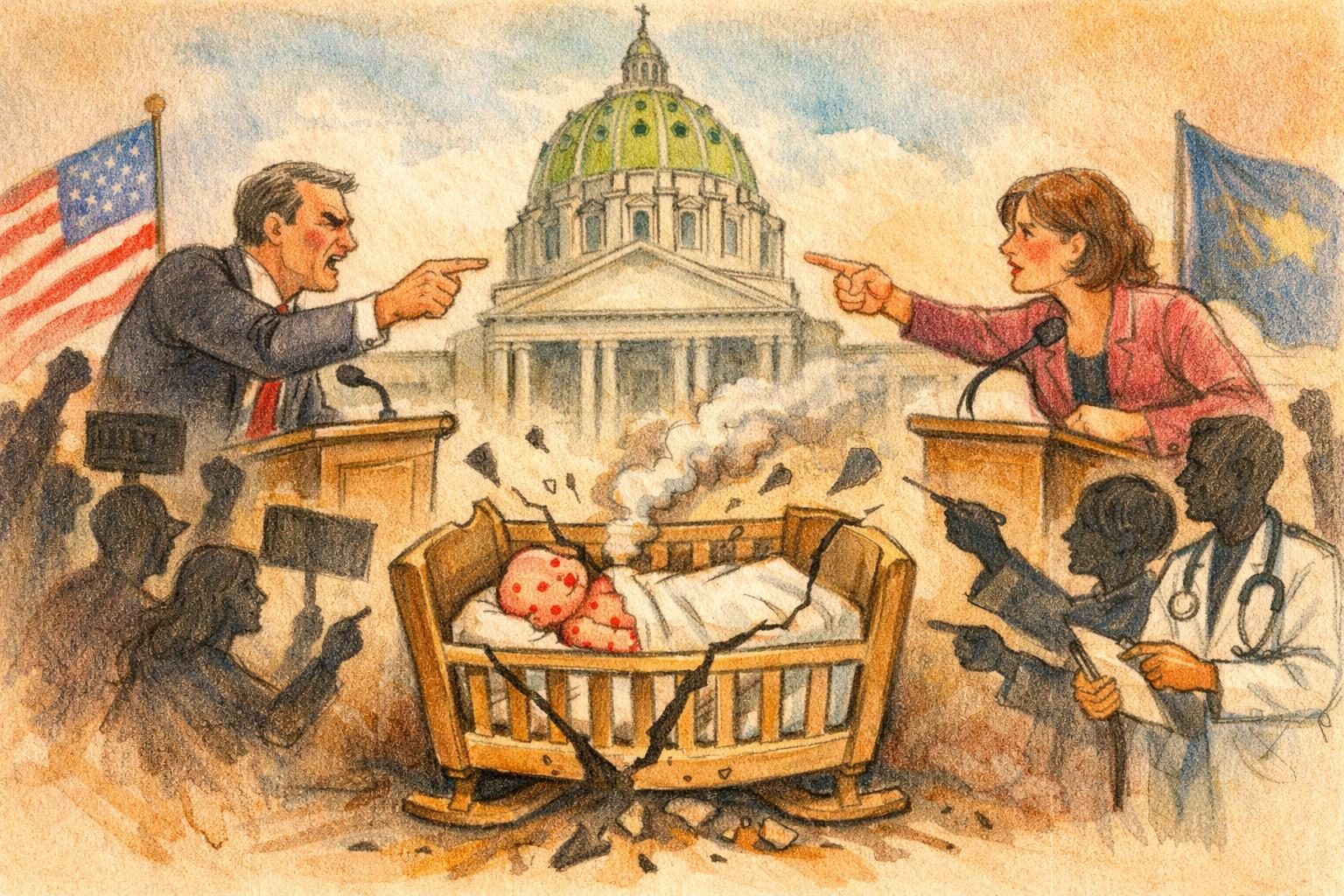
The announcement that Pennsylvania had recorded its first measles-related deaths in decades did something that public health officials have been warning about for years: it turned a disease outbreak into a political food fight almost instantly. On August 28, the news prompted a sharp clash among officials, doctors, politicians, and activists over what should have been the simplest possible response to a deadly but preventable infection. Instead of a unified message about vaccination, isolation, and protecting children and other vulnerable people, the moment became another test of whether basic public health can survive in an environment thick with distrust and ideology. That is the grim backdrop here. Measles is not supposed to be a mystery disease in modern America, and yet the reaction to these deaths suggests that even its most obvious lessons now have to fight their way through a cloud of denial, blame, and partisan signaling.
The facts of the outbreak should be enough on their own to shape the conversation. Measles is highly contagious, vaccine-preventable, and dangerous, especially for young children and people with weaker immune systems. Public health guidance has long been clear: vaccination is the most effective way to prevent spread, outbreaks require rapid containment, and community immunity matters because one person’s decision can affect everyone around them. The Centers for Disease Control and Prevention continues to stress that measles can lead to hospitalization and sometimes death, even in countries with advanced medical systems. That is why the Pennsylvania deaths landed so heavily. They were not an unforeseeable freak event, but the kind of tragedy that public health exists to prevent. Yet in the current political climate, even a straightforward outbreak response is forced to compete with old scripts about personal liberty, government overreach, and suspicion of vaccines. The result is a dangerous mismatch between the scale of the problem and the quality of the public response.
What makes this especially corrosive is that the debate is unfolding inside a broader national climate shaped by years of vaccine skepticism and distrust of federal health institutions. The Trump-era ecosystem did not create anti-vaccine sentiment from scratch, but it helped normalize the idea that expert guidance can be treated as just another political preference. That dynamic has not gone away. It has seeped into the way some politicians talk about outbreaks, the way activists frame public-health recommendations, and the way parts of the public have learned to treat vaccination as a badge of identity rather than a medical intervention. When officials spend time trying to rebut misinformation instead of tracing contacts, promoting immunization, and isolating cases, the virus gets a head start. And once a disease as contagious as measles has room to move, local failure can quickly become regional trouble. The cost is measured not in rhetoric but in doctor visits, emergency room admissions, and families forced to confront harm that should never have happened in the first place.
The deeper problem is that this fight has become a referendum on whether public health is still allowed to speak plainly. Parents and physicians want a clear message: measles vaccination works, outbreaks should be contained aggressively, and children are safer when communities stop treating scientifically settled medicine as a political costume party. Critics of the anti-vaccine movement argue that the Pennsylvania deaths are exactly what happens when public health is subordinated to ideology and misinformation is given a megaphone. That may sound harsh, but the stakes justify the bluntness. Every time leaders dodge the obvious, they encourage the next wave of hesitation. Every time the conversation is dragged into culture-war theater, the public loses a little more trust and the response gets a little slower. If these deaths do not force a more honest reckoning with vaccine skepticism, weak messaging, and the consequences of turning disease control into an identity fight, then the country is setting itself up to repeat the same failure elsewhere. The virus does not care about talking points, and it certainly does not care about politics. It only cares whether enough people are protected before the next exposure spreads.
Comments
Threaded replies, voting, and reports are live. New users still go through screening on their first approved comments.
Log in to comment
No comments yet. Be the first reasonably on-topic person here.