
Judge says the administration’s pro-Palestinian visa crackdown is unconstitutional
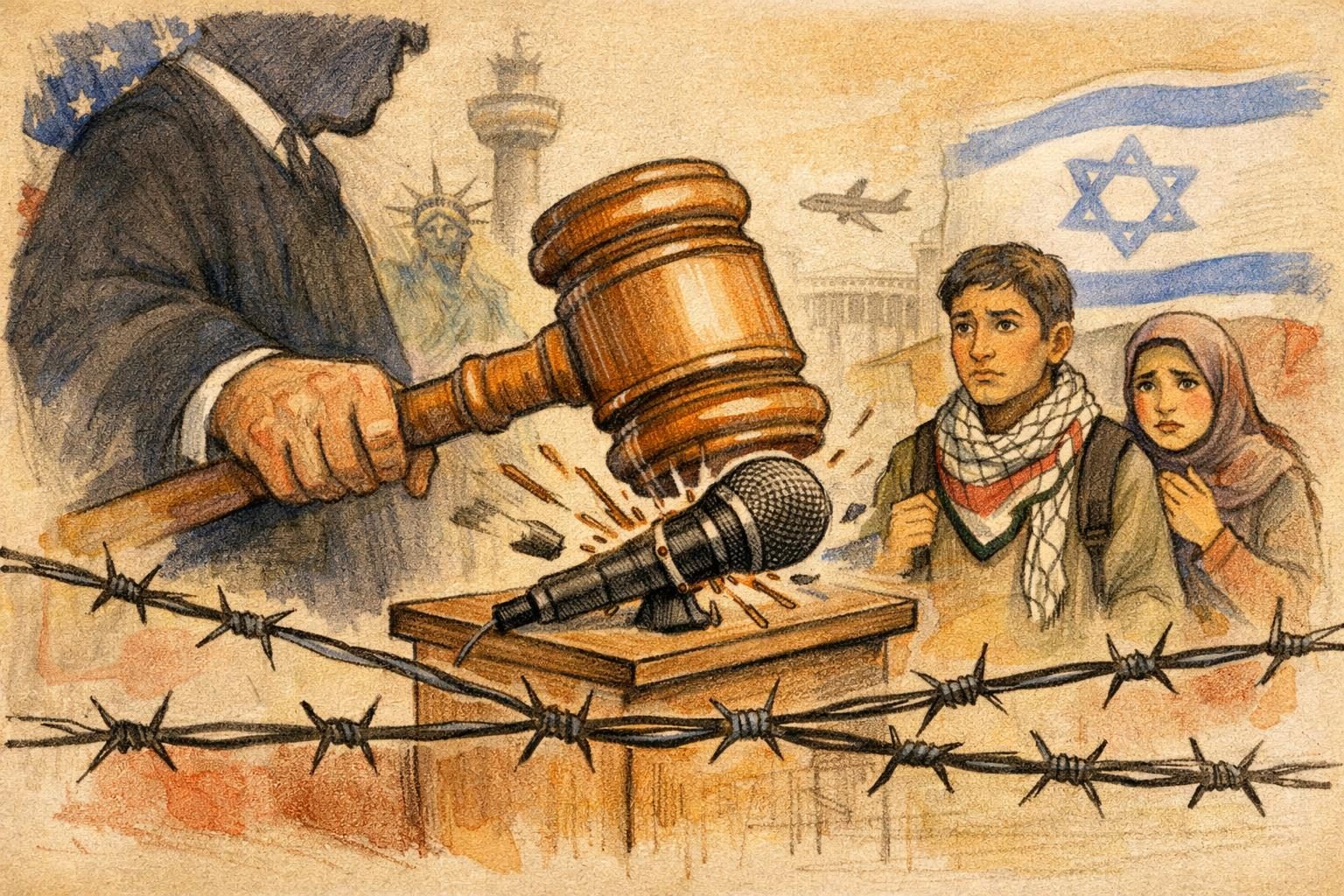
A federal judge on Friday delivered a sharp rebuke to the administration’s effort to use immigration authority against noncitizen students and academics who spoke publicly in support of Palestinians or criticized Israel. The ruling concluded that the government had crossed a constitutional line by treating protected political expression as a basis for visa trouble and deportation pressure. That is a serious loss for a campaign that has tried to blur the line between dissent and danger, and the judge’s decision makes clear that the Constitution does not vanish when the target is a foreign student. It also undercuts the idea that immigration law can be repurposed as a shortcut around First Amendment limits. In plain terms, the court found that the government cannot do indirectly what it would be forbidden to do directly.
The case sits at the uncomfortable intersection of immigration enforcement, campus politics, and the administration’s broader willingness to frame opposition as a security problem. Over the past year, officials have leaned heavily on national-security language to justify aggressive actions against pro-Palestinian activists, even when the underlying conduct described in court centered on speech, advocacy, or participation in protests. That approach has alarmed civil-liberties advocates, who argue that the government is not simply policing borders but also punishing viewpoints it finds politically inconvenient. The ruling gives those critics a major validation, though it does not end the fight. The administration is expected to keep defending its authority, and the legal battle could continue through appeals or related cases. For now, however, a federal judge has said the government’s theory goes too far and cannot stand as applied here.
What makes the decision especially significant is the chilling effect it could have had if the government’s approach were allowed to stand. Students on visas already live with the knowledge that their ability to stay in the country depends on paperwork, compliance, and the discretion of immigration authorities. If that power can be tied to political viewpoint, then the threat extends well beyond the people named in this lawsuit. It reaches classrooms, student newspapers, faculty offices, and protest organizers who may not be citizens but still participate in public debate. It also sends a blunt message to universities that the wrong speech can become an immigration problem, which is a deeply corrosive idea for any institution that claims to defend open inquiry. The judge’s ruling pushes back against that logic by recognizing that political criticism is not the same thing as unlawful conduct. That distinction matters, because once the government is allowed to erase it, the chill spreads fast.
The administration has repeatedly argued that its actions are aimed at protecting order, maintaining security, or responding to extremism, but the court’s ruling points to a more troubling reality: the government appeared to target people because of what they said and what side of a heated political debate they were on. Advocates for the affected students said the crackdown suppressed lawful expression and discouraged coverage and participation in Middle East protests on campuses. The decision does not resolve every issue in the broader dispute, and it does not prevent the government from enforcing immigration law in legitimate cases. But it does impose a limit on using that law as a weapon against dissent. That is another substantial legal setback for an administration that has spent considerable energy trying to convert hostility toward its critics into policy. And once again, a court had to remind it that constitutional democracy does not come with a deportation exception for unpopular speech.
Comments
Threaded replies, voting, and reports are live. New users still go through screening on their first approved comments.
Log in to comment
No comments yet. Be the first reasonably on-topic person here.