
Supreme Court lets Trump keep fighting California’s immigration injunction for now
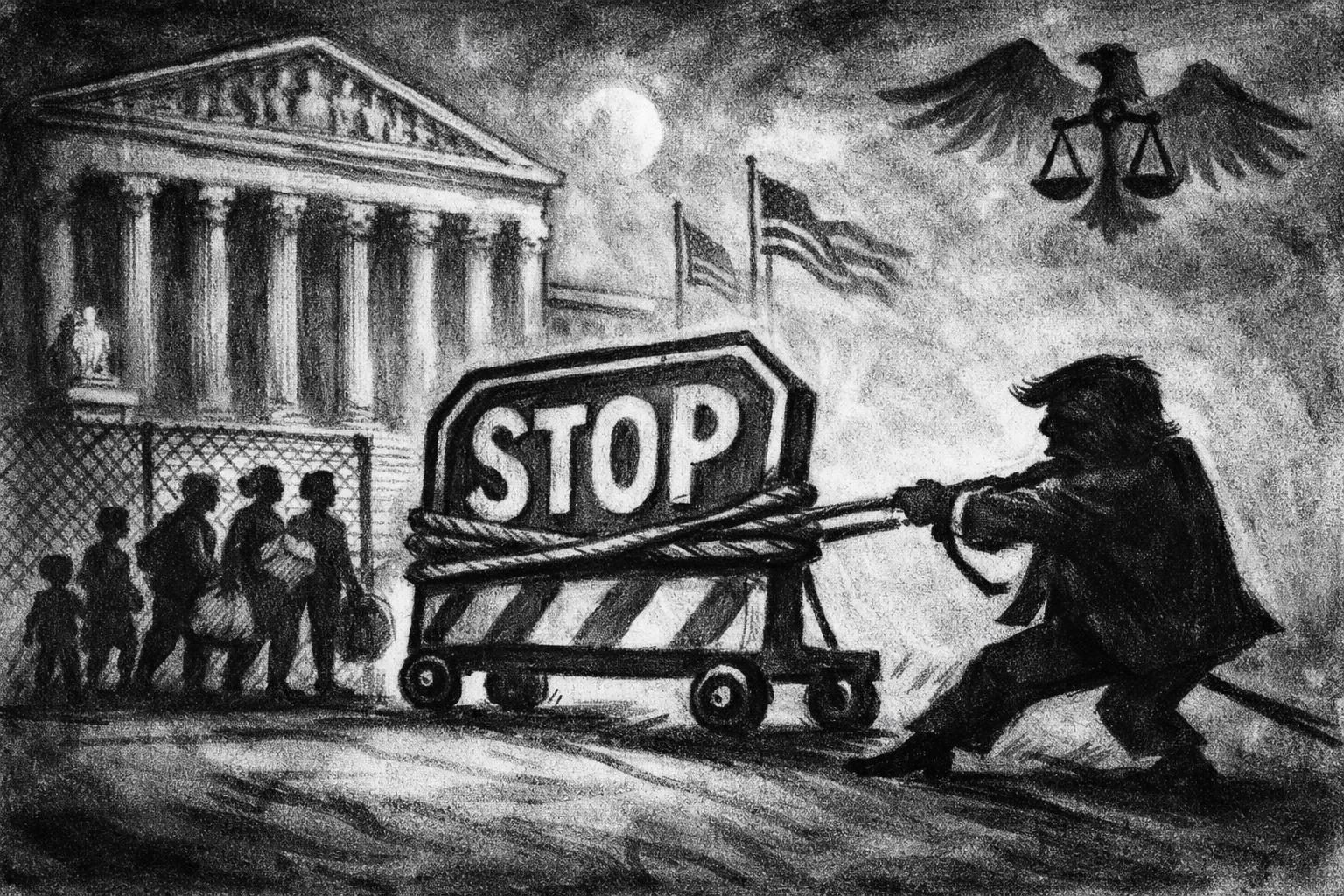
The Supreme Court handed the Trump administration another temporary victory in its immigration fight with California, allowing the White House to keep operating under the challenged policy while the underlying dispute continues to move through the courts. The order, issued on Aug. 24 and still resonating in the Aug. 28 news cycle, stayed a lower-court injunction that had blocked the administration’s approach to immigration enforcement. That means the government gets to proceed for now even though the legal questions are still unresolved. It is not a final ruling, and it does not settle whether the executive order is lawful. But in practical terms, it gives the administration breathing room at a moment when immigration remains one of its most aggressive and politically loaded priorities.
For California, the stay is another setback in a case that is as much about power as it is about policy. The state has tried to limit what it sees as overreach by Washington, while the administration has framed its immigration agenda as necessary to restore order at the border and defend national security. The Court’s decision does not endorse the policy on the merits, but it does preserve the status quo the White House wants: enforcement continues while the challenge works its way through the system. That matters because injunctions are often the only immediate check on sweeping federal action, and a stay can erase the real-world effect of a lower court’s restraint even before the judges finish sorting out the legal arguments. In other words, the administration gets time, and time itself can function as a policy win.
The wider significance is bigger than this one dispute. The White House has made immigration a central test of executive authority, pushing hard in ways that force courts to decide whether each move is merely controversial or actually unlawful. A stay like this one does not answer those questions, but it influences how the fight unfolds on the ground. State officials may be left dealing with shifting federal demands, local agencies can end up caught in the middle, and migrants themselves are often the ones who experience the consequences first and most directly. When the Court leaves a policy in place during litigation, it can create a kind of legal limbo in which the government acts as though momentum equals legitimacy. That is especially true in immigration cases, where even temporary rulings can alter enforcement patterns, resource allocation, and the behavior of everyone involved.
Critics are likely to see the order as yet another example of the judiciary rewarding a rush-first, litigate-later governing style. Supporters will argue that the Court is showing appropriate deference to executive power in an area where presidents have historically been given wide latitude. Those competing interpretations are not hard to understand, and both contain some legal logic. But the politics are less tidy, because every temporary reprieve lets the administration present a court delay as a substantive victory. California’s challenge is still alive, and the final outcome remains uncertain, but the White House has already secured what it wanted most in the short term: the ability to keep pressing ahead while the case grinds forward. That leaves the issue exactly where it often lands in immigration battles, with the law still unsettled, the policy still in force, and the consequences absorbed by states and people who have to live with the uncertainty until the next judicial move.
Comments
Threaded replies, voting, and reports are live. New users still go through screening on their first approved comments.
Log in to comment
No comments yet. Be the first reasonably on-topic person here.