
House Democrats open a new probe into TSA’s ICE data-sharing deal
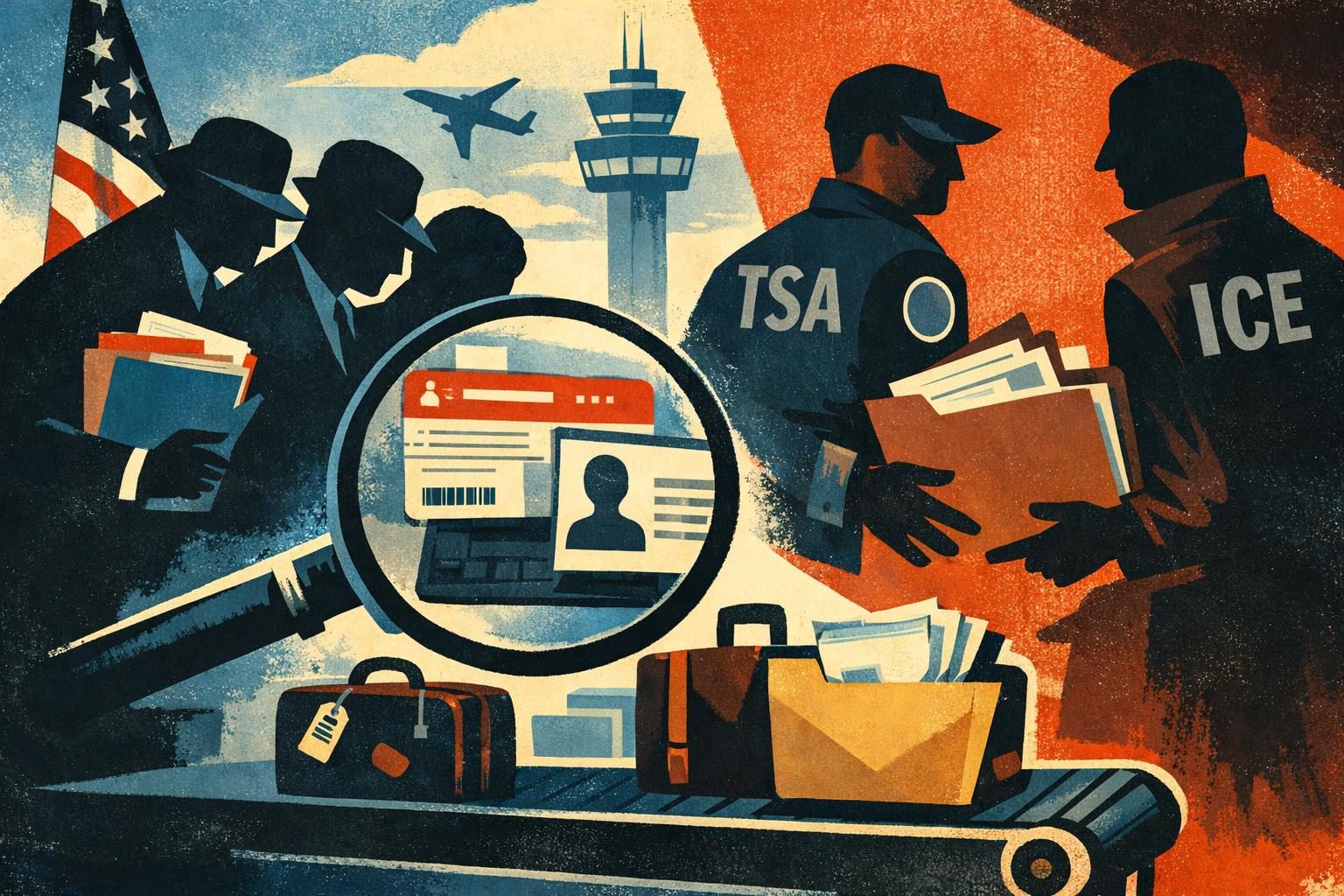
House Democrats have opened a fresh probe into a data-sharing arrangement between the Transportation Security Administration and Immigration and Customs Enforcement, sharpening a fight over what kind of traveler information can be repurposed for immigration enforcement and how much Congress was told about it. The lawmakers say newly released records appear to clash with sworn testimony given earlier by a former acting TSA administrator, raising the possibility that officials described the program more narrowly than the paper trail suggests. At minimum, the dispute has turned into a credibility test for agencies that have spent years arguing they are simply using existing tools to keep the public safe. Now the question is whether those tools were quietly expanded into something much closer to a surveillance pipeline. The inquiry, announced August 28, is aimed at sorting out who approved the arrangement, what data was shared, and whether the public version of the story matches the internal one.
The lawmakers leading the inquiry are asking for documents, explanations, and a detailed accounting of the agreement’s scope, which is Washington’s way of signaling that they believe the answers already provided are incomplete at best. According to the concerns laid out in the request, the issue is not just whether TSA shared information with ICE, but how that sharing was structured and under what authority it proceeded. That distinction matters because airport screening sits at the intersection of security, transportation, and personal privacy, and travelers generally do not expect the government to treat routine screening information as a ready-made enforcement database. If the records now being examined are accurate, the arrangement may have moved much further than many members of Congress understood when they were briefed, or when they heard testimony under oath. That is why the investigation has started to look less like a policy disagreement and more like a question of whether the agency’s public statements held up under scrutiny.
The broader concern here is not a generic privacy complaint about federal systems collecting too much information, though that concern certainly exists. It is the possibility that travelers moved through airports believing they were participating in a standard security process, while some of that data was being channeled toward immigration enforcement in ways that were not publicly aired and may not have been fully disclosed to lawmakers. That is the sort of arrangement that can change the political meaning of airport screening overnight. Once routine security data becomes a tool for immigration investigations, the line between screening and surveillance starts to blur, and the public loses the ability to judge where one program ends and another begins. That is why the lawmakers are treating the newly surfaced records as more than a technical discrepancy. If the documentary record conflicts with sworn testimony, then the problem is not only what TSA shared, but whether officials were candid about how the system was actually being used.
For now, the inquiry is in its early stages, and the full significance of the records will depend on what the agencies turn over and how complete that material proves to be. The lawmakers are seeking enough detail to establish a timeline, identify decision-makers, and determine whether Congress was given an accurate description of the arrangement before or after it took effect. That leaves open several possibilities, none of them especially flattering. The documents could show a narrower program that was poorly explained. They could also show a broader one that was intentionally minimized. Either way, the episode underscores how quickly airport data questions can become a fight over institutional honesty once sworn testimony and paper records stop matching up. If the administration wants to argue that this was a normal interagency arrangement, it may have to explain why those explanations now appear to have gaps. And if the records hold up, what began as a technical question about data access could end up as a much larger credibility problem for the government’s airport-enforcement story.
Comments
Threaded replies, voting, and reports are live. New users still go through screening on their first approved comments.
Log in to comment
No comments yet. Be the first reasonably on-topic person here.