
Delaware says Washington’s CDL data grab is illegal, and a judge hits pause
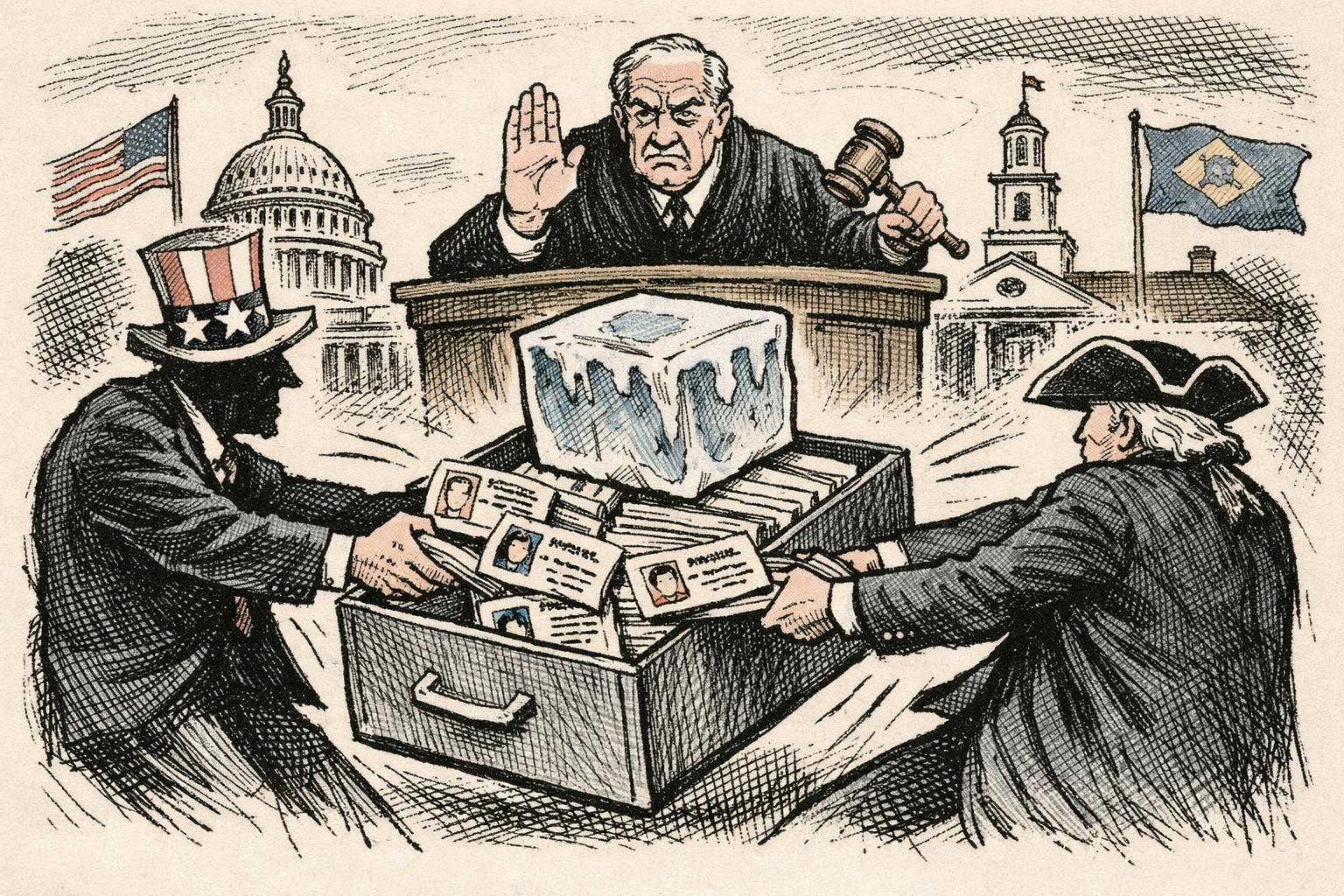
Delaware’s attorney general has won a temporary restraining order that puts an immediate brake on a federal demand for commercial driver’s-license data, turning a technical records fight into a much larger dispute over who controls sensitive personal information and how far Washington can push state agencies before a court steps in. The order, entered on August 29, freezes the federal effort for now while the broader case proceeds. Delaware argues that the request is unlawful, unnecessary, and made without the kind of consultation that should happen before the federal government tries to seize access to a state-run database. On the other side, federal officials have defended their actions in court filings and public statements, but the state says the demand goes beyond any legitimate need and crosses a legal line that should not be ignored. For the moment, at least, the judge has agreed that the dispute is serious enough to pause the government’s move before it can take effect.
What makes the fight notable is not just the data itself, but the way the state frames the demand as an attempted takeover rather than a routine information request. Commercial driver’s-license records can contain personal details tied to identity, licensing status, and other information that states collect and maintain for their own regulatory purposes. Delaware’s position is that those records are not some open federal repository waiting to be tapped whenever Washington wants them, especially when the request is tied to an aggressive effort that the state says lacks a solid legal foundation. The attorney general’s office has cast the issue as a matter of basic jurisdiction and restraint: if the federal government wants data, it must explain why it is entitled to it and show that it is acting within the bounds of the law. That argument may sound procedural, but it lands in a political moment when states are increasingly wary of national demands that can be sold as administrative housekeeping while functioning as broad extraction of state-held records.
The court fight also reflects a deeper distrust between state officials and the federal government, especially when the subject is information that can be repurposed for enforcement beyond its original purpose. Delaware says Washington did not properly consult the states before trying to take over the database and did not justify why it needed access in the first place. That complaint matters because states are often the frontline custodians of sensitive records, and their motor-vehicle systems are not designed to be a federal side channel for unrelated goals. Privacy advocates and civil-liberties lawyers have long warned that once a government starts treating state databases as easily obtainable assets, the scope of collection can expand quickly and with little public oversight. Even if the underlying federal objective is disputed or only partially disclosed, the mechanics of the request alone can set off alarms. The concern is not just that one database may be exposed; it is that the precedent could encourage broader future attempts to pull state records into federal hands without meaningful limits or clear statutory authority.
The temporary restraining order suggests that the judiciary is willing to move quickly when a government action appears to outrun its legal lane, though it does not mean Delaware will ultimately prevail on the merits. Temporary relief is not a final decision, and the litigation can still turn on whether the federal government can defend the demand as lawful, narrowly tailored, and consistent with whatever authority it claims. But the immediate effect is important because it prevents the data grab from moving forward while the dispute is tested in court. That alone tells you the case is not being treated as a minor paperwork squabble. In practical terms, the order buys time for the state to argue that the federal request is both overbroad and dangerous, and it forces Washington to justify a move that Delaware describes as illegal and unnecessary. For ordinary drivers, the stakes may not be obvious at first glance, but the principle is simple enough: when a federal agency seeks access to state-held personal data, the burden is on the government to show why it should have it, how it will be used, and where the legal boundary lies. Right now, Delaware has persuaded a court that the answer is not clear enough to allow the demand to continue unchecked.
Comments
Threaded replies, voting, and reports are live. New users still go through screening on their first approved comments.
Log in to comment
No comments yet. Be the first reasonably on-topic person here.