
Justice Department walks back its own hacking claim after overstating agency breaches
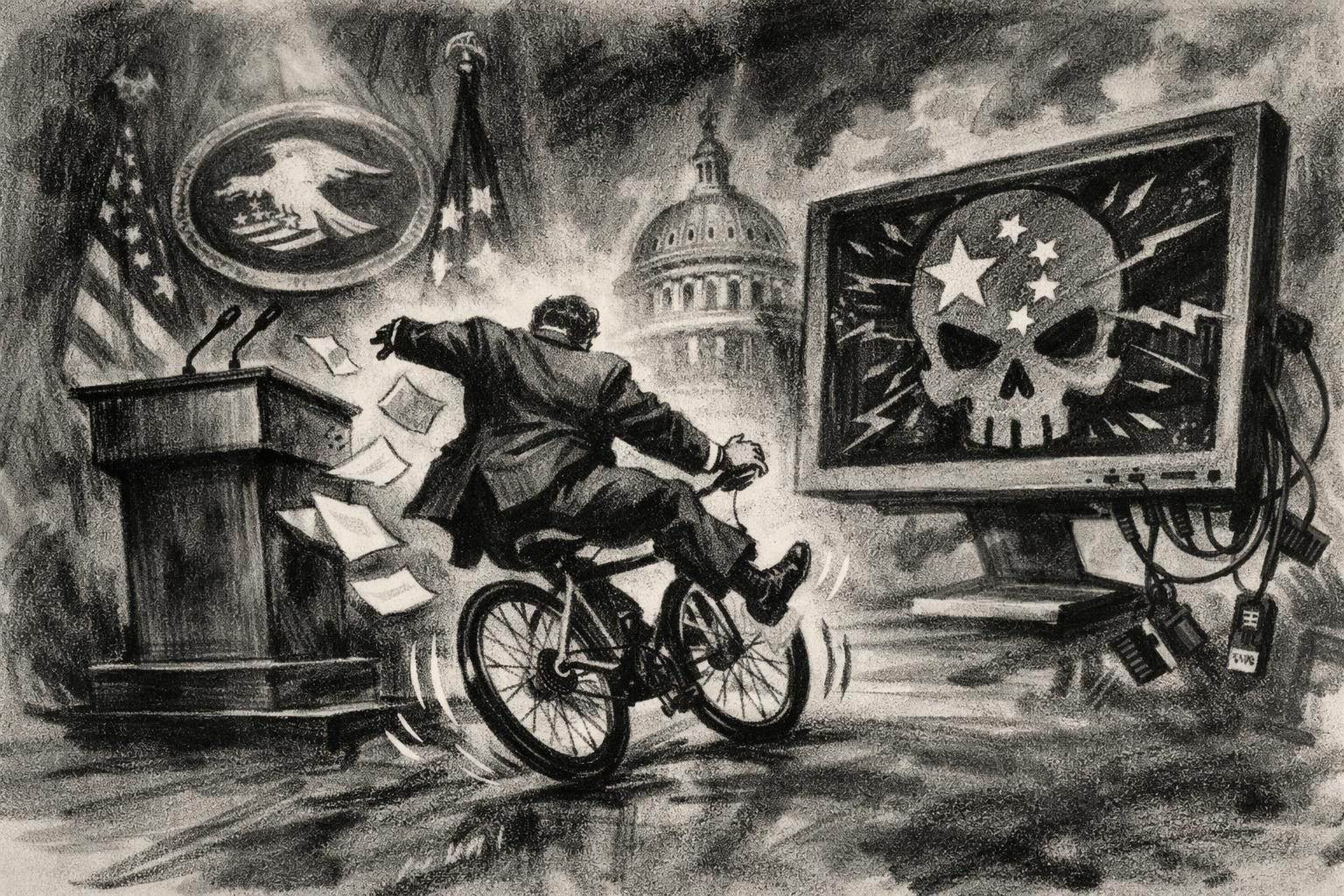
The Justice Department found itself doing an uncomfortable bit of cyber housekeeping on August 29 after its own public messaging overstated what investigators had actually established about a suspected Chinese hacking campaign. In an earlier announcement, the department described a set of federal agencies as though all of them had been compromised. But the affidavit underlying that release drew a sharper line: all of the named agencies were said to have been targeted, while only some were actually breached. That is not a small technical difference in the world of government cybersecurity. It is the difference between a wide-ranging intrusion and a narrower set of confirmed losses, and it changes how seriously the public should read the scope of the incident.
The correction matters because cyber disclosures are supposed to be the one place where precision still survives contact with politics. When federal officials announce a suspected foreign intrusion, they are not only describing a security event; they are also making a statement about competence, attribution, and the government’s ability to defend its own networks. If the public-facing version of the story makes the breach appear broader than the evidence can support, the result is immediate skepticism. Critics are likely to see a department that moved too quickly to frame the threat in the strongest possible terms before the record was fully aligned with the rhetoric. Even if the correction was issued promptly, the fact that it was needed at all creates the impression that the headline came before the verification.
That is especially awkward in this case because the administration has tried to present itself as forceful on cyber defense and foreign interference. Officials have every incentive to show they are alert to hostile activity and willing to call it out when they see it. But a cyber posture built on toughness still depends on credibility, and credibility is vulnerable when basic distinctions between targeting and compromise get blurred in public statements. A release that reads as if every listed agency had been penetrated, when the supporting affidavit says only some were, gives opponents an easy line of attack. It suggests a government eager to amplify the danger rather than carefully describe it, which is a bad look in any national-security context and especially in one involving suspected state-backed hacking.
There is also a broader institutional problem here. Cyber incidents are one of the main ways the public learns how exposed federal systems really are, and those disclosures carry weight beyond any single case. When the Justice Department corrects itself on a matter this basic, it does not just alter one event’s narrative; it chips away at confidence in how federal agencies report breaches, assign blame, and communicate risk. In a field where the evidence is often partial, the temptation to overstate can be strong because it seems to sharpen the warning. But exaggeration can backfire by making later, more careful disclosures harder to trust. This episode will probably not turn into a major scandal on its own, yet it is exactly the kind of avoidable stumble that can linger in the background of future cyber briefings, especially when the government wants the public to believe it has a firm grip on the threat landscape.
Comments
Threaded replies, voting, and reports are live. New users still go through screening on their first approved comments.
Log in to comment
No comments yet. Be the first reasonably on-topic person here.