
HHS’s food-ingredient overhaul keeps drawing fire
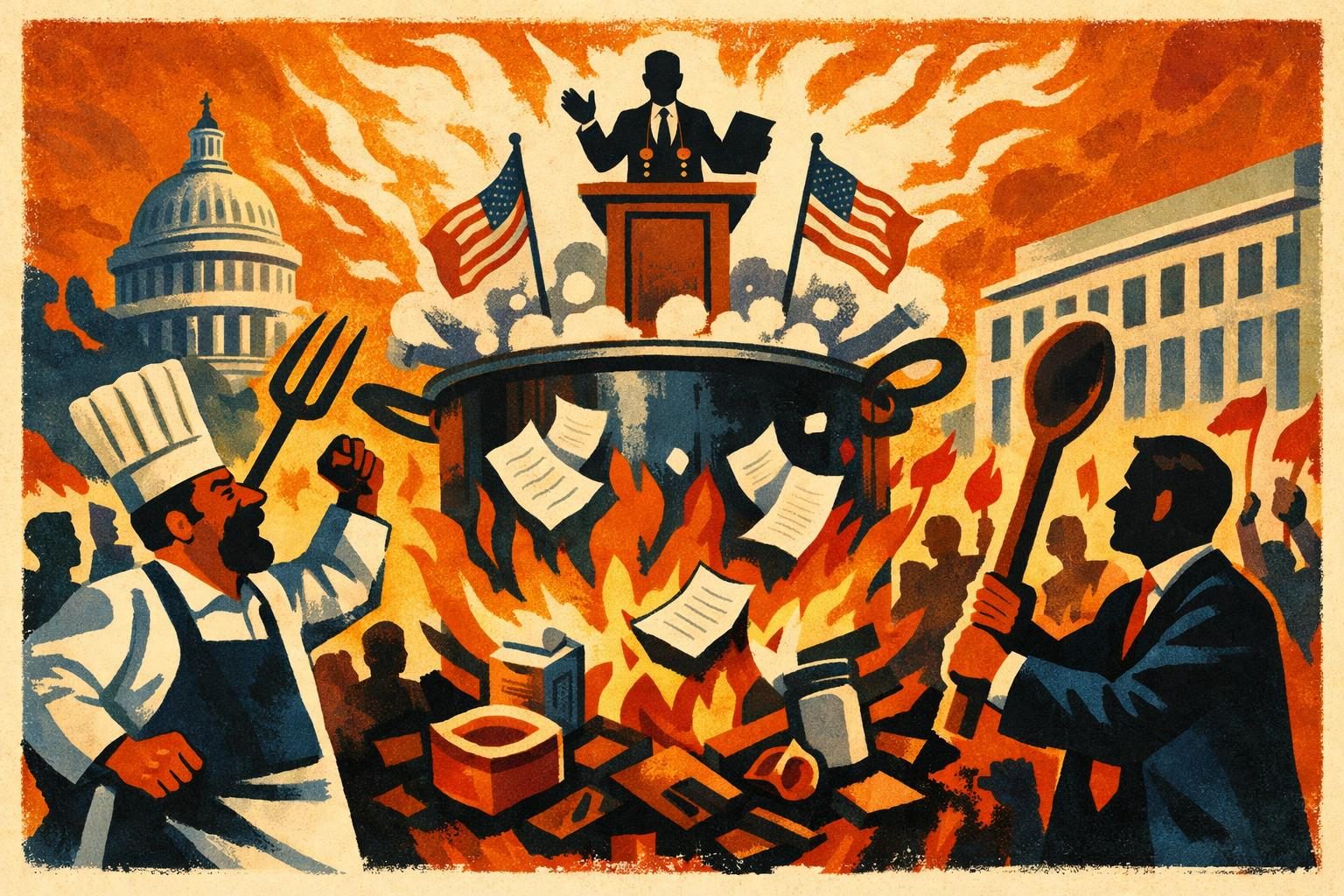
The administration’s August food-policy overhaul continued to draw pushback on August 29, with critics and industry participants still sorting through what the new approach will mean in practice. At the center of the dispute is a set of changes at HHS and FDA that would alter how ingredient oversight works, including a requirement that manufacturers notify the agency when they determine a food substance is generally recognized as safe. That may sound like a technical tweak, but it shifts responsibility in a way that could affect everything from product development to compliance planning. Companies that once treated the GRAS process as largely internal would now have a more formal reporting expectation, and that alone is enough to create anxiety in a system built on predictability. The administration has presented the package as a modernization effort, but the early reaction suggests that “modernization” can look a lot like disruption when the rules are still fuzzy.
The practical stakes are easy to see. Food regulation is not merely an abstract fight over labels or agency authority; it shapes how manufacturers source ingredients, what they tell consumers, and how aggressively they hedge against litigation. If a company has to revisit whether a substance is safe, whether it should be disclosed to regulators, or how quickly it must adapt to new standards, those decisions ripple through supply chains and product formulas. That means the policy could eventually produce clearer oversight, but only if the underlying definitions and enforcement expectations are spelled out cleanly. If the administration is aiming for more scrutiny of food ingredients, it is also creating a period in which firms may not know where the agency is drawing the line. In industries where margins can be tight and reformulation expensive, uncertainty itself becomes a compliance cost. The result is not just a debate over safety, but a broader fight over who bears the burden when the government decides the market needs a reset.
That dynamic helps explain why the latest food initiative has become an easy target for criticism. Supporters can argue that the public deserves more transparency about what is in the food supply and how ingredients are judged. Skeptics, however, see a pattern in which the administration wraps a complicated regulatory move in the language of moral urgency and leaves the real machinery to deal with the fallout. The health secretary’s food agenda has been presented as part of a larger “Make America Healthy Again” posture, but the more the policy gets into the weeds, the more it runs into questions about timing, implementation, and whether the government can actually deliver the cleaner system it promises. That is where the backlash has traction: not necessarily in rejecting oversight outright, but in doubting that a rapid rewrite will produce orderly results. Even people open to tougher food standards can still worry that the transition itself will be messy enough to undercut confidence in the system. If companies spend months guessing what regulators want, the policy could generate more defensive behavior than meaningful reform.
For now, the administration appears set on pressing ahead, and that may be the clearest sign that the political value of the announcement still outweighs the regulatory discomfort it creates. But the continuing criticism underscores a basic problem with food-policy overhauls that arrive as part of a broader ideological campaign: they can be sold as common-sense public health fixes while generating very real uncertainty for the regulated industry. A rule that changes how ingredients are reported or how safety judgments are communicated is not a slogan, and it is not something companies can absorb overnight. It needs guidance, definitions, and enforcement discipline if it is going to work as intended. Without that, the effort risks becoming another example of a government eager to claim a policy victory before the implementation details are settled. The administration may still believe the overhaul will improve oversight of the food supply, but the immediate effect is to widen the gap between its health rhetoric and the market’s need for clarity. That gap, for now, is where the backlash lives.
Comments
Threaded replies, voting, and reports are live. New users still go through screening on their first approved comments.
Log in to comment
No comments yet. Be the first reasonably on-topic person here.