
Justice Department trims back its own China-hack claims after overstatement
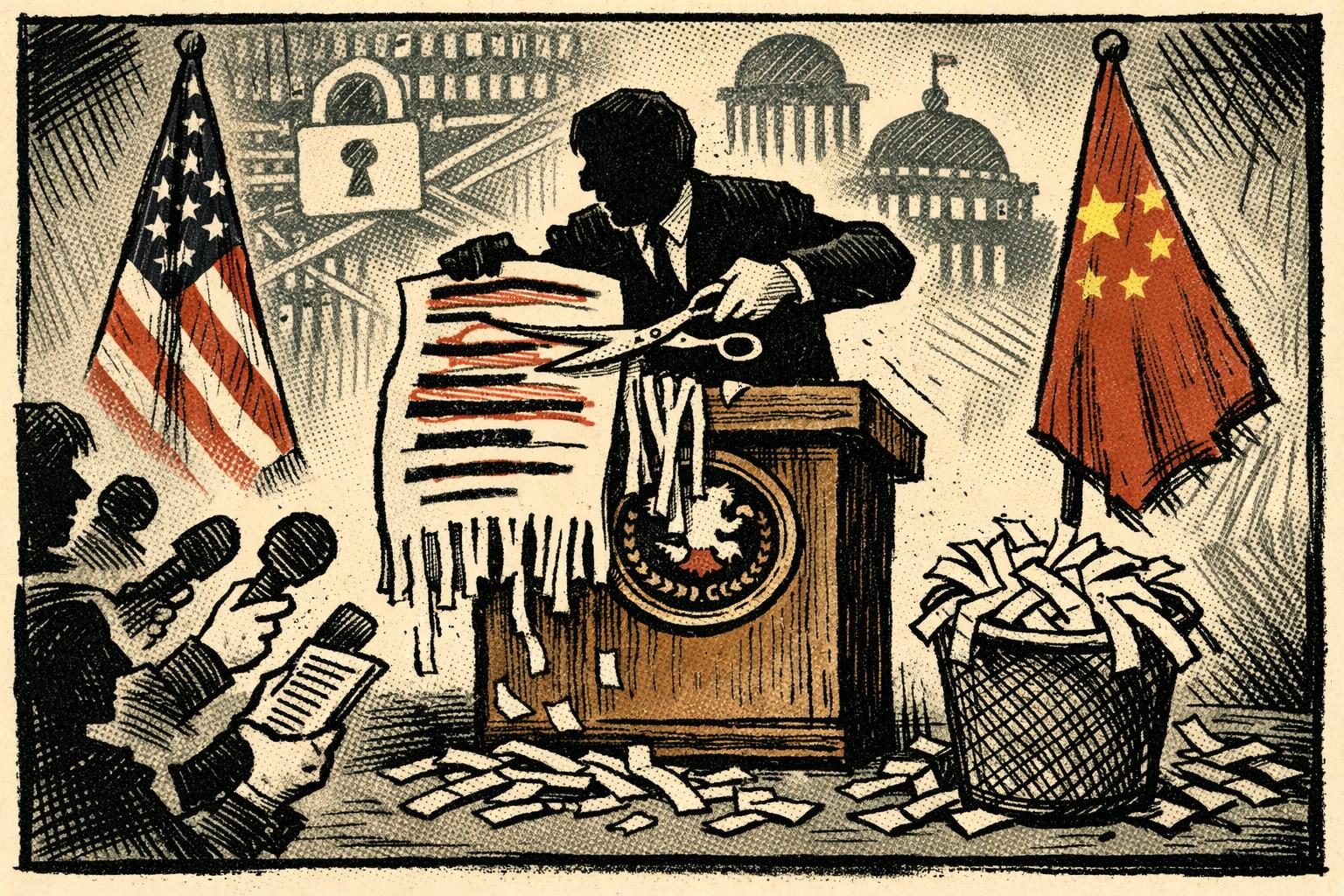
The Justice Department spent Friday walking back the language it used to describe a cyber intrusion tied to Chinese hackers, quietly narrowing an earlier public claim that suggested more federal agencies had been compromised than the record appears to support. The correction may sound small to anyone who does not live and die by the wording of indictments, affidavits, and press releases, but in cyber reporting, that kind of distinction is the whole game. A government statement that says agencies were hacked carries a very different meaning from one that says they were targeted, probed, or listed in a broader campaign. Those verbs determine how severe the incident looks, how much confidence the public can place in the government’s account, and whether officials are describing evidence or simply reaching for dramatic effect. In a field already buried under jargon and secrecy, precision is not decorative; it is the main currency of credibility. That is why this revision matters beyond the narrow facts of the case, because it raises the basic question of whether the first version overstated the breach before the facts were fully settled.
The revised description matters especially because cyber incidents sit at the intersection of law enforcement, intelligence, and public messaging, where one badly chosen sentence can send the wrong signal across all three lanes at once. If agencies were actually penetrated, the public deserves to know the scope, the target set, and the likely consequences. If, on the other hand, some agencies were merely identified in a campaign, named in an affidavit, or mentioned as possible victims without clear evidence of compromise, then saying they were hacked goes beyond careful communication and becomes shorthand that can mislead. That difference is not some sterile semantic dispute for lawyers to sort out after the fact. It affects how lawmakers judge the breach, how other agencies assess their own exposure, and how foreign adversaries interpret Washington’s confidence about what happened. A correction after the fact can be necessary and responsible, but it also signals that the government either moved too fast or spoke too loosely, which is not ideal when the issue is foreign cyber activity with diplomatic and national-security consequences. The public is left trying to separate what investigators know from what officials were willing to imply when the first version went out.
There is also a larger pattern here that makes the correction feel less like a one-off typo and more like part of a recurring government problem. When officials are under pressure to look forceful in the face of a Chinese cyber operation, the temptation is to use the broadest possible language that still sounds defensible. That impulse can produce statements that are technically anchored in an affidavit or another filing but are then translated into a public summary that overshoots the evidence. The result is a credibility tax that gets paid later, once reporters, congressional staff, or critics compare the public framing with the actual legal documents. In this case, the Justice Department’s revision gives skeptics an opening to argue that the initial announcement was more dramatic than accurate, even if the underlying case still involves a serious intrusion or intrusion effort. That is the uncomfortable part for officials: a correction can be read as responsible cleanup, but it can also be read as proof that the first draft was written for impact. In cyber matters, where the evidence is often partial and the public is expected to trust expert judgment, even a modest overstatement can do outsized damage.
The reputational fallout may be the biggest immediate consequence, but it is not the only one. Public cyber claims often ripple outward into congressional oversight, agency review, diplomatic language, and future disclosures about the same operation. If the government initially described multiple agencies as victims and later settled on a narrower account, then everyone who relies on that information now has to re-evaluate the scope of the case. That includes lawmakers deciding whether to press for hearings, career officials deciding how to brief colleagues, and foreign-policy officials deciding how hard to push the language in private discussions with Beijing. The correction also leaves unanswered why the public statement and the underlying legal record did not line up cleanly from the start, especially in a context where accuracy should be easier to protect than hype. For now, the main lesson is less about one hacked network than about the standards the government sets for itself when it talks publicly about cyberattacks. If the Justice Department wants its warnings to be taken seriously, it cannot afford to blur the line between a confirmed compromise and a broader target list. In this arena, getting the nouns right is not a trivial editing issue. It is the credibility test, and the department just had to retake it.
Comments
Threaded replies, voting, and reports are live. New users still go through screening on their first approved comments.
Log in to comment
No comments yet. Be the first reasonably on-topic person here.