
Treasury tees up another Iran bank sanction spree
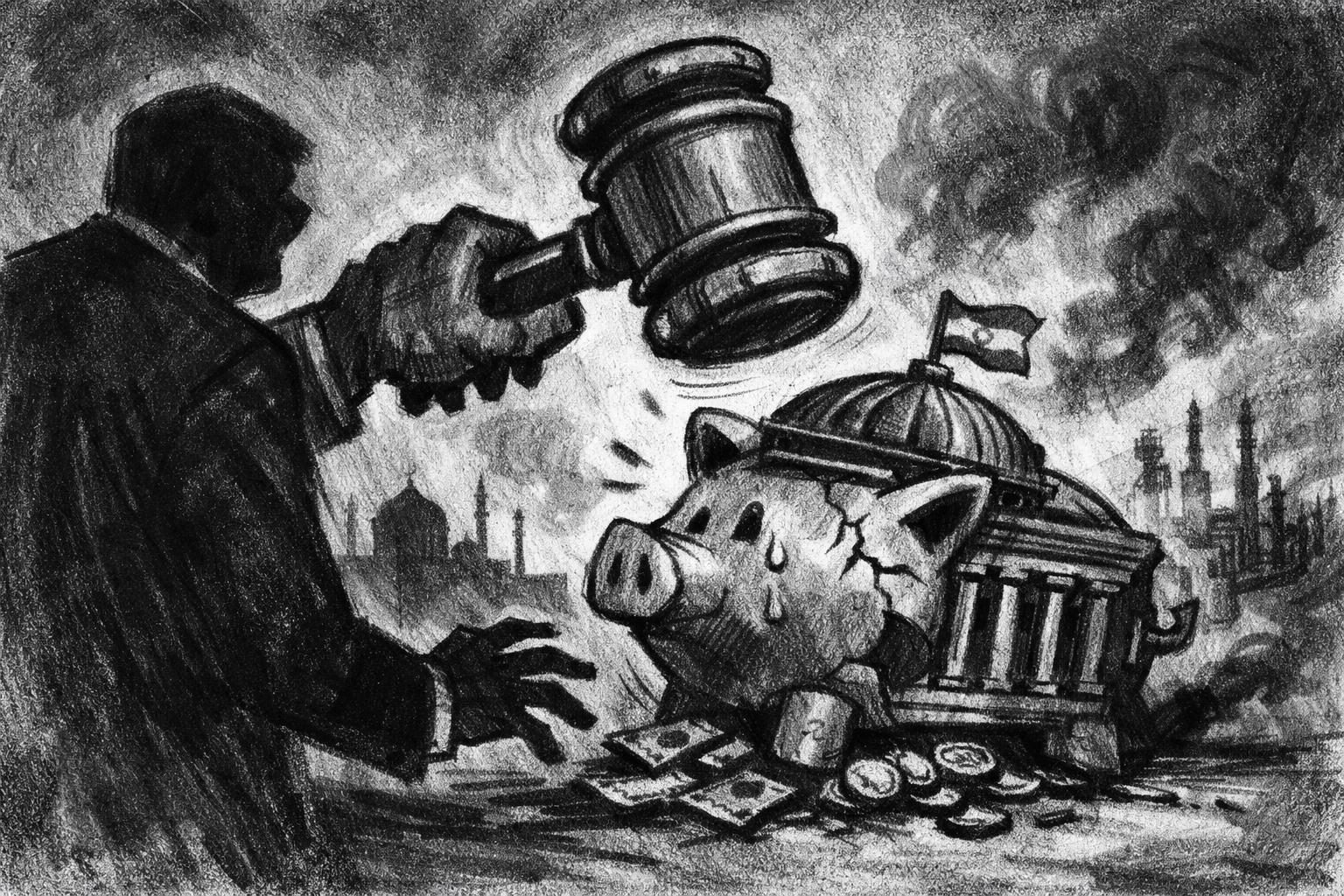
Treasury Secretary Scott Bessent said Sunday that the administration plans to sanction another bank this week, a fresh escalation in Washington’s effort to squeeze Iran’s finances and disrupt the networks that keep money moving for Tehran. The comment, made during a public appearance ahead of G20 meetings, gave an early signal that the White House is preparing yet another step in its pressure campaign rather than looking for a pause or a reset. Bessent did not identify the bank, and the measure is not yet final, but the public warning itself was notable because it telegraphed the next move before the formal announcement. That kind of advance notice can serve several purposes at once, including deterrence, political messaging, and pressure on anyone still doing business through the targeted channels. It also suggests the administration wants the broader financial system to understand that this is not a one-off action, but part of a continuing strategy.
In practical terms, banking sanctions are among the most consequential tools Washington can use short of broader trade restrictions. Unlike symbolic designations that mostly carry reputational costs, sanctions on a bank can cut off access to dollar clearing, complicate cross-border transfers, and force counterparties to decide quickly whether the risk is worth taking. That can ripple far beyond the designated institution itself, especially in regions where the same payment rails and correspondent relationships are used for multiple clients and transactions. The point is not just to punish one entity, but to make every other participant in the chain think twice before touching Iranian money. That is why Treasury’s next move matters even before the details are public: a bank designation can alter behavior long before compliance officers have fully digested the fine print. It can also create pressure on allies and intermediaries that may have only indirect exposure but still prefer not to get caught in the blast radius.
Bessent’s remarks also land in a politically sensitive moment for Treasury, which has faced scrutiny over a range of financial-policy decisions and now appears determined to show it is tightening, not loosening, the screws on Iran. Supporters of the approach will argue that financial pressure remains one of the most effective nonmilitary tools available, especially if the goal is to isolate state-linked networks and make illicit transactions more expensive and less reliable. From that perspective, the value of another bank sanction lies not only in the immediate disruption, but in the message it sends to other institutions that may still be tempted to facilitate Iranian commerce. Critics, however, are likely to see a familiar pattern in which sanctions become the default response when diplomacy is limited or politically awkward. They may argue that the administration risks overusing economic warfare in ways that eventually reduce leverage, especially if partners grow weary of repeated enforcement campaigns. Either way, the White House has chosen a path that emphasizes punishment first and explanation later, which tends to keep the policy debate alive.
The operational details will matter almost as much as the headline once the designation is formally announced. Treasury sanctions are often most effective when they are tied to a clear factual record and paired with guidance that helps banks, traders, and governments understand what conduct is prohibited. If the administration is serious about disrupting Iranian financial channels, the follow-through will need to be precise enough to survive scrutiny and broad enough to actually change behavior. A half-step can leave loopholes; an overbroad step can create confusion for firms and allies that are trying to stay in compliance. The administration’s challenge is to demonstrate that it can turn a public threat into a durable enforcement action, rather than simply generating another round of tough talk. And because the target has not been named yet, the immediate discussion is necessarily about intent and structure, not just the legal mechanics of one bank’s designation. That makes this a test not only of Treasury’s enforcement muscle, but of its discipline in how it communicates and executes policy.
There is also a wider strategic question underneath the announcement: whether the current campaign is designed to produce diplomatic leverage, or whether it is becoming an end in itself. Sanctions can be useful when they are part of a broader plan that includes clear objectives, back-channel bargaining, and a realistic assessment of what pressure alone can accomplish. They are less persuasive when they become the only available move, especially if each new step looks more like escalation for its own sake than a calibrated effort to change Iranian behavior. For now, the administration is signaling that it intends to keep tightening the vise, and Bessent’s language suggests the Treasury Department is comfortable with a hard-edged posture. That may play well with those who want a tougher line, but it also raises the stakes for every institution that has to interpret and enforce the rules. If the designated bank is announced this week as expected, the real story will not end with the designation itself. It will continue in how effectively Treasury backs up the warning, how the market absorbs the shock, and whether the latest sanction adds meaningful pressure or just another layer to an already crowded sanctions regime.
Comments
Threaded replies, voting, and reports are live. New users still go through screening on their first approved comments.
Log in to comment
No comments yet. Be the first reasonably on-topic person here.