
New Birthright Citizenship Order Hits a Wall of Judicial Skepticism
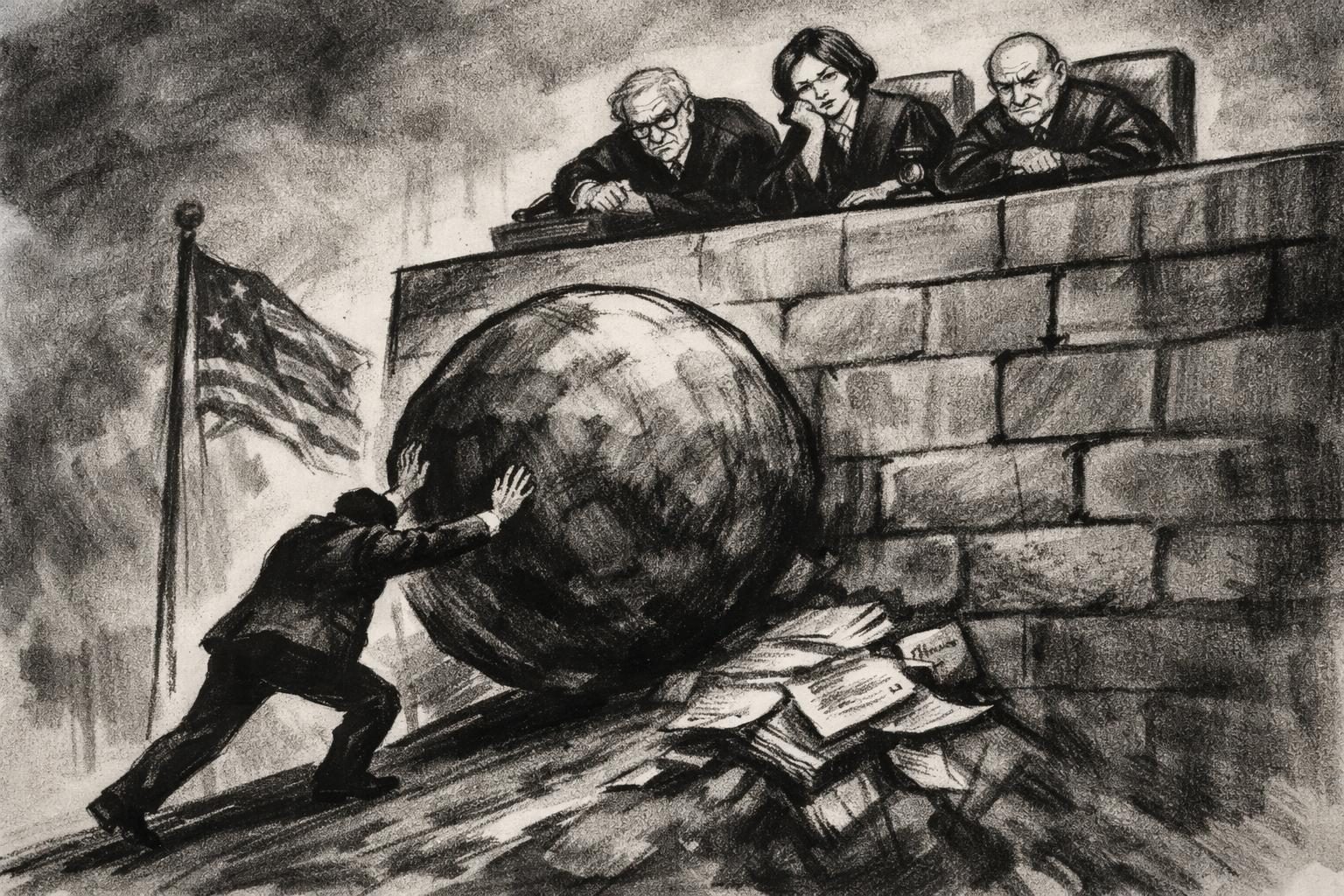
A federal judge on Aug. 30 signaled serious doubt about the Trump administration’s newest attempt to narrow birthright citizenship, even as the court declined to immediately block the order. That combination — skepticism without an instant injunction — left the administration with a temporary procedural reprieve and a decidedly chilly reception on the merits. The hearing underscored a familiar pattern: the White House keeps trying to repackage a legally fraught idea in slightly different language, only to run into the same constitutional objections. For now, the order remains live, but the judge’s questioning suggested the legal theory behind it is still on thin ice.
The dispute reaches well beyond an ordinary immigration fight because birthright citizenship is one of the most established principles in American constitutional law. The Fourteenth Amendment’s citizenship guarantee has long been understood to cover nearly all people born on U.S. soil, and efforts to change that rule by executive action have repeatedly triggered urgent litigation. The administration’s latest order appears to aim at a narrower formulation than earlier efforts, but the court’s reaction suggests that cosmetic revisions may not be enough to make the underlying theory look lawful. Judges can recognize a relabeling effort when they see one, and the hearing made clear that changing the wording does not necessarily change the constitutional problem. Even without a formal block at this stage, the sharp tone from the bench indicated that the administration’s path forward remains precarious.
That matters because the legal fight is taking place against the backdrop of prior defeats and ongoing uncertainty. The White House has already faced resistance to earlier attempts to redefine or limit birthright citizenship, and the new order looks like another pass at the same argument from a slightly different angle. Opponents are likely to frame the move as a political gambit rather than a genuine attempt to resolve an open legal question, especially if the administration keeps returning to a strategy courts have already rejected or narrowed. Immigrant-rights advocates have been warning that these initiatives create confusion and anxiety for families who may not know whether their children’s status is being questioned. In that sense, the order does more than invite litigation; it also projects uncertainty into the lives of people who are trying to make ordinary decisions about work, travel, childbirth, and citizenship documents.
The political significance is just as large as the legal one. For Democrats and civil-rights groups, the hearing offers an easy argument that the administration is not persuading judges, so it is trying to wear down the system through repetition. That message is especially potent when a court openly expresses skepticism while still leaving the order in place, because it lets critics say the policy is both legally shaky and operationally disruptive. The administration may hope that a narrower framing will find a friendlier audience in future litigation, but the judge’s reaction suggests the courts are not inclined to treat a new wrapper as a new constitutional idea. The immediate result is more uncertainty and more courtroom back-and-forth, with families again left to wonder whether the government is testing the bounds of the law or simply testing how many times it can force the issue back into court. If this is meant to look like a fresh approach, the hearing suggested it may be closer to a familiar strategy in a different suit.
Comments
Threaded replies, voting, and reports are live. New users still go through screening on their first approved comments.
Log in to comment
No comments yet. Be the first reasonably on-topic person here.