
Immigration court bureaucracy gets another speedbump: DOJ adds dozens of judges
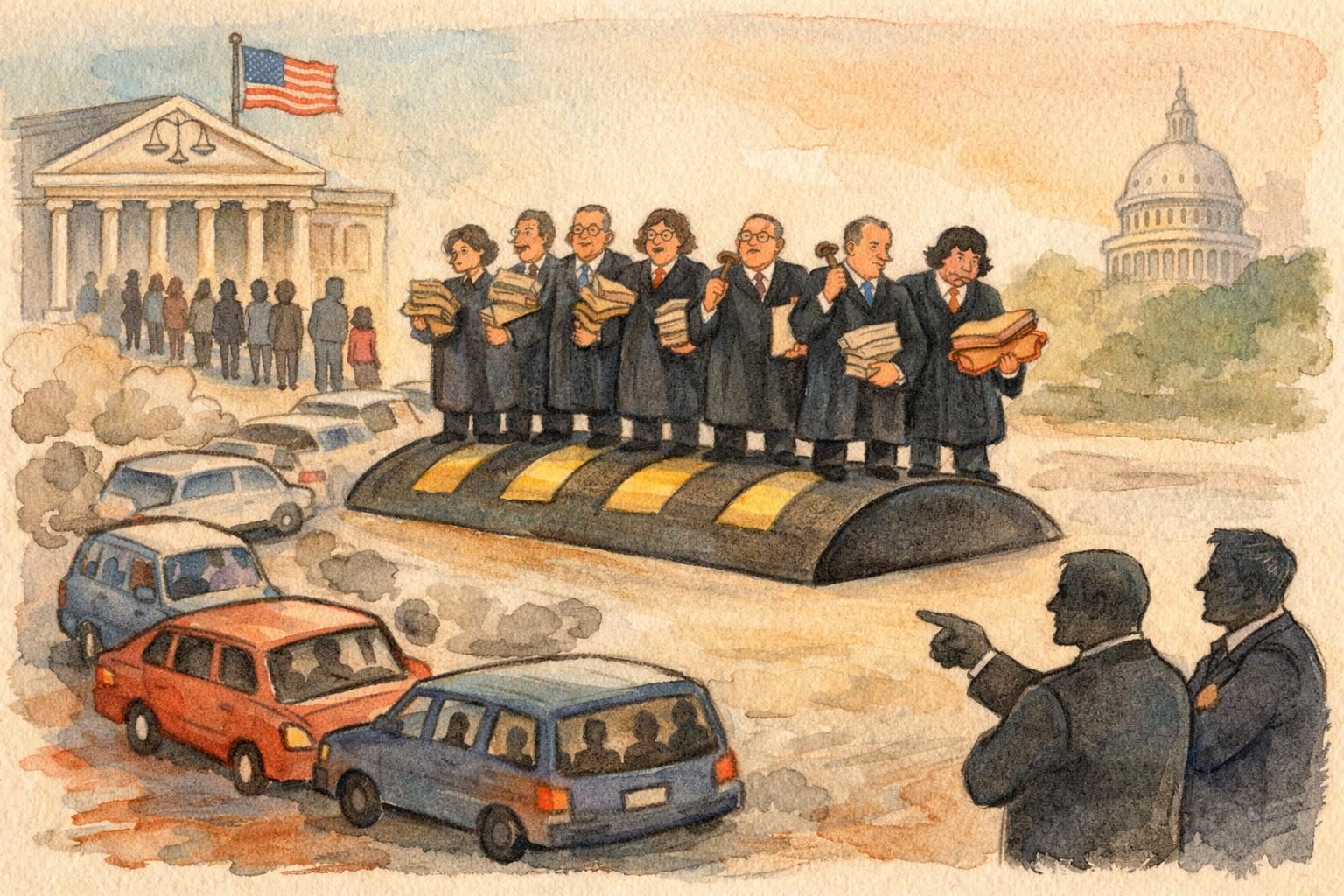
The Justice Department’s immigration court system is getting another batch of reinforcements, this time in the form of 39 new immigration judges and 6 temporary immigration judges announced on August 30, 2026. On paper, that sounds like the sort of administrative step that should make a broken system look a little less broken. In reality, it is also a blunt reminder that the nation’s immigration courts are still operating under pressure severe enough to require repeated staffing surges just to keep up. The announcement came through the Executive Office for Immigration Review, the branch that handles immigration court proceedings and appellate review, and it immediately signaled that the caseload remains far larger than the system’s baseline capacity. Even before any of these new judges take the bench, the move says something important about where the system stands: it is not merely busy, it is overloaded enough that adding bodies has become a recurring emergency measure rather than a long-term solution.
That matters because immigration courts are not a side office tucked away in the federal bureaucracy. They are the legal choke point where arrest, detention, asylum claims, removal proceedings, and appeals all run into one another, often under severe time constraints and with high consequences for the people involved. If the government wants to move more cases, it needs more judges, more clerks, more support staff, and enough infrastructure to avoid just shifting the bottleneck from one hallway to another. A hiring announcement does not fix a court calendar that has been stretched thin for years, but it does give the administration a way to argue that it is addressing delays rather than simply accepting them. The catch is that immigration court backlogs are rarely caused by one missing ingredient alone. They are the product of too many cases, not enough personnel, procedural complexity, and policy choices that keep feeding the same machine. Adding 45 judges total, including the temporary appointments, may help at the margins, but it is unlikely to erase the fundamental mismatch between demand and capacity.
There is also a political layer to all of this, and it is hard to miss. Immigration courts have become one of the places where competing narratives about enforcement, due process, and border control collide in real time. Supporters of a harder line usually treat backlog reduction as proof of seriousness, arguing that a swollen docket invites abuse and lets people remain in the country for years while cases crawl forward. Critics counter that a system designed to process people faster is not necessarily a system designed to judge them fairly, especially if legal representation remains uneven and the stakes include deportation to dangerous conditions. Both views have some basis in the facts, which is exactly why staffing announcements like this are politically useful and analytically messy at the same time. The administration can point to added judges as evidence that it is trying to make the system more efficient, while skeptics can point to the need for another surge as evidence that the machinery itself is still under strain. In that sense, the announcement is not a clean win for either side. It is a stress test made visible.
The timing also says a lot about the broader immigration posture of the federal government in this period. When immigration enforcement, asylum screening, and court administration all move in the same direction, it usually means the system is being tightened in multiple places at once rather than being rebalanced. More judges can certainly shorten wait times if the government can keep those positions filled and avoid a fresh wave of filings outrunning the new capacity. But temporary judges by definition raise a different question: whether the system is being built around stopgap fixes that buy time without solving the structural backlog. That does not make the announcement meaningless. It does, however, make it look less like durable reform and more like a recurring attempt to catch up with a machine that keeps accelerating. The practical effect could be real, especially for cases already waiting in the queue, but the larger story is that immigration adjudication remains a labor-intensive, politically charged system that the government still cannot seem to stabilize. The new judge appointments may reduce some pressure, and they may even improve throughput in the near term, but they also underline the same uncomfortable truth the system has been producing for years: every solution seems to arrive as another patch on a court structure that was already straining before the latest crisis hit.
Comments
Threaded replies, voting, and reports are live. New users still go through screening on their first approved comments.
Log in to comment
No comments yet. Be the first reasonably on-topic person here.