
Bessent Heads Into G20 With Iran, Tariffs, and Diplomatic Cleanup on Fire
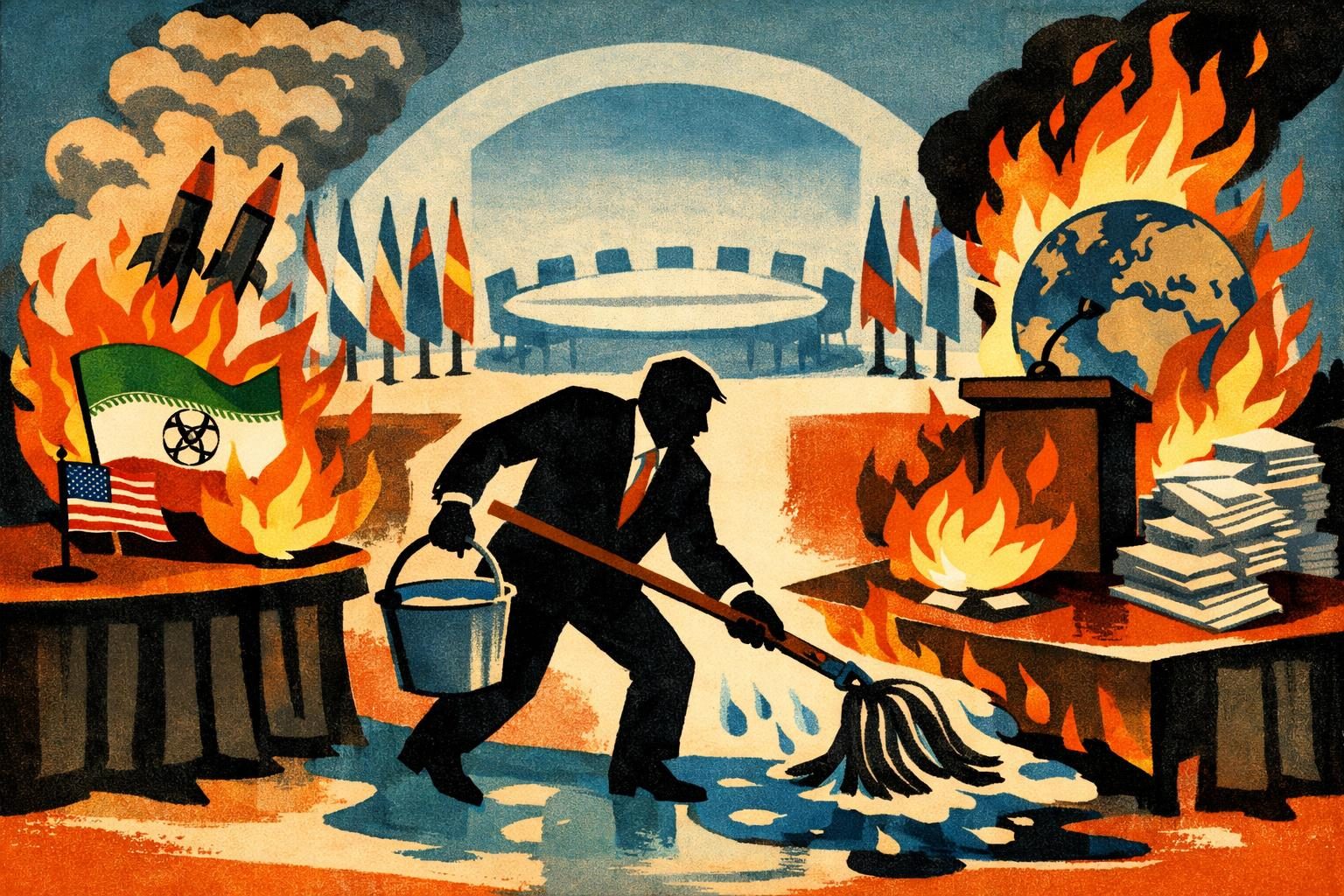
Treasury Secretary Scott Bessent heads into this week’s G20 meetings in Asheville carrying a diplomatic burden that goes well beyond the usual talk of growth, debt, and financial coordination. The administration wants the gathering to look like a routine exercise in economic statecraft, with the United States setting the agenda and other major economies nodding along. Instead, the summit arrives in the middle of a fresh Iran crisis, a tariff backlash that is irritating key partners, and a broader sense that Washington is trying to project control while adding to global instability. That combination is not just inconvenient. It is the kind of backdrop that can turn a planned show of leadership into an awkward cleanup operation before the first formal session even starts.
The central problem is the contradiction at the heart of the administration’s posture. On one hand, it wants allies and rivals alike to treat the United States as the indispensable economic manager of the international system. On the other, it is escalating military pressure on Iran at the same moment it is making trade relations with friends more brittle through tariff measures and retaliation threats. Those moves may be intended to demonstrate strength, but they also undercut the message of steadiness that multilateral meetings are supposed to deliver. Energy prices have been climbing, markets are sensitive to new shocks, and trading partners are increasingly annoyed that Washington seems willing to create turbulence and then ask everyone else to help contain it. That is not a great setup for a forum built around consensus, especially when the host country is expected to sound like an anchor and is instead behaving like a weather system.
Bessent’s role is especially delicate because Treasury secretaries are often the people sent to translate political decisions into something foreign counterparts can live with. He may still try to focus the conversations on growth, debt sustainability, and financial coordination, all of which are legitimate priorities in a gathering of this scale. But those issues are likely to be drowned out by the larger question of whether the administration has actually thought through the diplomatic consequences of its own choices. Former officials and diplomats are already reading the moment as a familiar mistake: treating loudness as leverage and pressure as a substitute for persuasion. Tariffs on allies have strained trust that already needed careful maintenance, and the Iran escalation adds another layer of volatility that no one attending the G20 asked for. Even before the first bilateral meeting starts, the event risks becoming less about policy coordination than about damage limitation.
The optics are not helping. Reports that some journalists may be kept out of portions of the proceedings reinforce a broader impression that the administration is more comfortable managing access than answering for the results of its decisions. That may seem like a narrow procedural issue, but in a week already dominated by questions about transparency, escalation, and credibility, it fits too neatly into the larger pattern. Allies generally do not show up at summits expecting perfection; they show up expecting candor, predictability, and a sense that the United States understands the difference between pressure and chaos. Right now, that confidence appears thin. The coming meetings will therefore be judged less by the language of the opening statements than by whether Bessent can keep the summit from turning into a live referendum on U.S. erraticism. If he can get the conversation back onto economic cooperation, that will count as a modest success. If not, the administration will leave Asheville with another reminder that diplomacy gets harder when your own policies do the undermining for you.
Comments
Threaded replies, voting, and reports are live. New users still go through screening on their first approved comments.
Log in to comment
No comments yet. Be the first reasonably on-topic person here.