
Grassley’s Verizon subpoena fight shows Congress is still digging through the wreckage of the FBI’s Arctic Frost mess
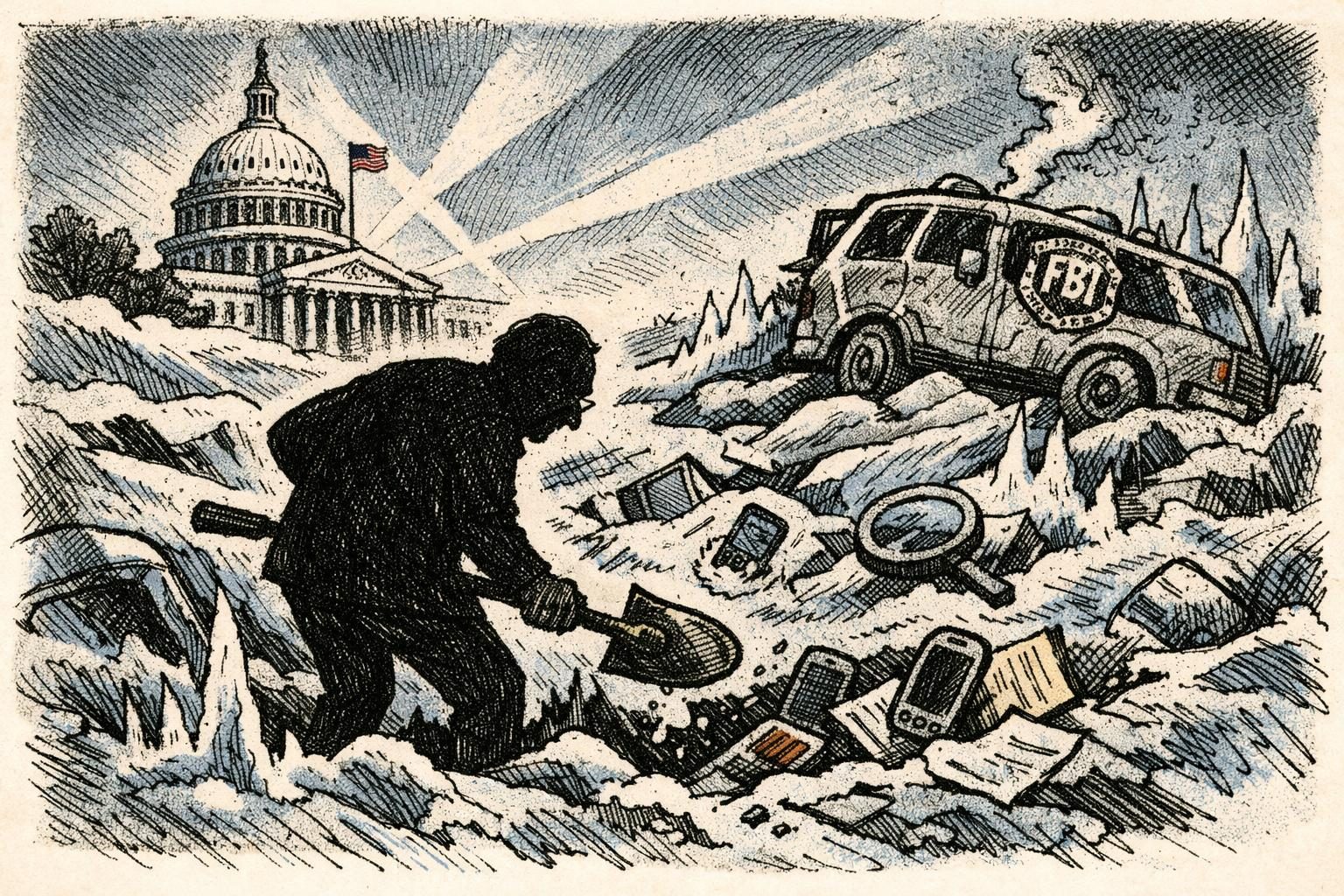
Sen. Chuck Grassley has taken the fight over the FBI’s Arctic Frost investigation one step further, this time turning his attention to Verizon and the company’s handling of subpoenas tied to the probe. The immediate dispute is narrow on paper, but the stakes are not. Grassley is now publicly pressing the carrier over what he says was a failure to tell Congress that it had received government demands for records connected to lawmakers and staff. That raises a familiar but uncomfortable question for oversight hawks: when does a routine law-enforcement process cross into a concealment problem, especially when the people being investigated are themselves part of the branch supposed to provide oversight? Grassley’s escalation matters because it shifts the issue from political grievance to formal record-building, which is often where the most lasting congressional fights begin. Once a senator starts demanding documentation, explanations, and dates, the dispute stops being just about who is indignant and becomes about who can prove what, when, and under what authority.
The Arctic Frost episode has already become a shorthand for broader arguments over surveillance, secrecy, and what critics call the weaponization of federal power. Grassley’s latest move suggests that those arguments are now moving from rhetoric into process. He is not merely repeating a complaint that law enforcement can keep too much hidden from Congress; he is asking why a major telecommunications company apparently did not flag subpoenas that lawmakers believe should have been disclosed. That is a significant escalation because it places a private company in the middle of a separation-of-powers dispute that is usually framed as a clash between the legislative and executive branches. If Verizon did receive the subpoenas and did not notify Congress as expected, then the carrier may have a procedural explanation to offer. But if the company had information relevant to lawmakers and simply let it sit, the episode becomes less about paperwork and more about whether oversight mechanisms can be quietly bypassed. Either way, the matter now sits in the record, where it can be cited later by investigators, committees, or lawyers looking for patterns rather than anecdotes.
For Grassley and his allies, the central concern is not just the subpoena itself, but the larger possibility that Congress learns about aggressive investigative activity only after the fact. That problem is especially combustible when the records in question involve elected officials, staffers, or other politically sensitive targets. Even in cases where investigators may have had a legitimate basis for seeking information, secrecy can produce a legitimacy crisis if the process around the process is not transparent enough. The senator’s push therefore reflects a broader mistrust that has become a defining feature of current oversight fights: lawmakers do not simply want assurances that the government followed the rules, they want proof that the rules were applied in a way that did not obscure the facts from the very people tasked with checking the government’s power. In that sense, Verizon is now more than a telecom responding to an inquiry. It is a test case for how much candor Congress can expect from the companies that sit between federal investigators and the communications data they want to obtain. If the company’s explanation is weak or late, the political damage could deepen quickly. If it can show a defensible reason for the lapse, the controversy may still leave behind a stronger appetite on Capitol Hill for tougher notification rules and tighter subpoena oversight.
The wider fallout is likely to be institutional rather than immediate, but that does not make it less serious. Every time a dispute like this gets put into a formal Senate record, it becomes part of the evidence base for the next round of hearings, subpoenas, and legislative proposals. Grassley’s escalation also reinforces how the debate over supposed political spying has matured into a paper trail of letters, statements, and official complaints that can outlast the current news cycle. That is why the matter has a life beyond the present fight over Verizon. The question is no longer simply whether Congress was upset, but whether the rules governing disclosure, surveillance-related subpoenas, and carrier cooperation are good enough for a political environment in which distrust is already high. Democrats and civil-liberties critics may not share Grassley’s frame, but they are likely to see the same structural problem from the other side: a government system in which aggressive investigative tools can be used and hidden until someone stumbles onto the record. If that is the norm, then the real scandal is not any one subpoena. It is a bureaucracy that can make oversight reactive instead of preventive. That is the wreckage Congress is still digging through, and Grassley’s fight with Verizon suggests the cleanup is nowhere close to finished.
Comments
Threaded replies, voting, and reports are live. New users still go through screening on their first approved comments.
Log in to comment
No comments yet. Be the first reasonably on-topic person here.