
North Carolina legislature heads back for a veto fight with a tight leash on what it can touch
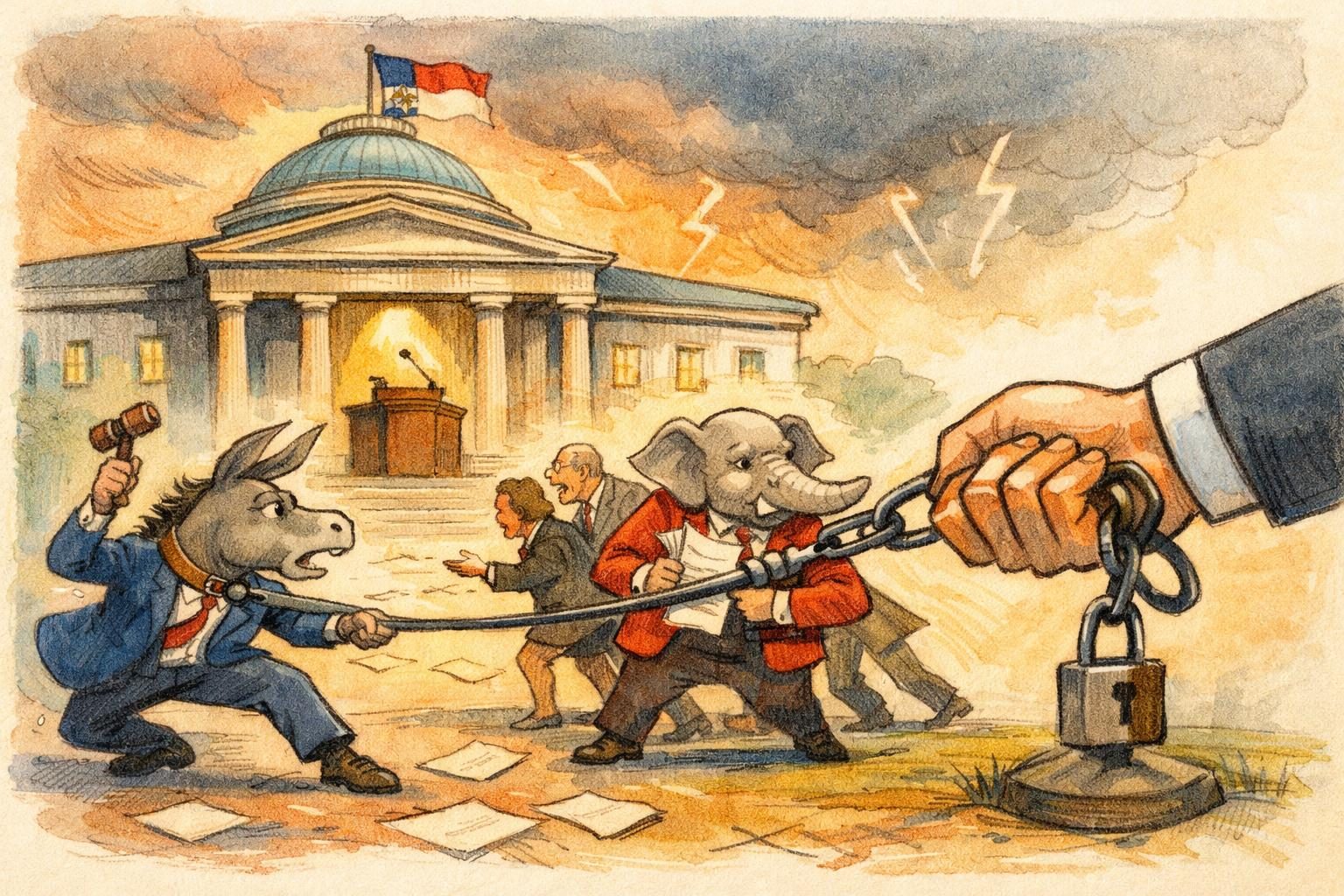
North Carolina lawmakers are set to come back to Raleigh on Monday, Aug. 31, after a district work period that began in late July, but the return is not a normal reopening of the legislative spigot. The calendar approved for the reconvened session is sharply limited, and the narrow scope is doing most of the political work before anyone even gavels in. Among the matters allowed are bills that have been returned by the governor with objections, which means the legislature is entering the week with veto overrides as one of the few real tools on the table. That framing matters because it turns the session from a broad policy gathering into a controlled test of political strength. Rather than signaling an agenda for fresh lawmaking, the schedule suggests a chamber preparing to see whether its leaders can still assemble the numbers to beat back the governor. The official resolution setting the timetable makes clear this is not an open-ended return, and that procedural fact is itself the story.
A restrained calendar can sometimes mean a quiet cleanup session, but this is not what North Carolina is signaling now. The legislature is not being invited back to rewrite the state’s priorities from scratch, and it is not being given a free run at the usual range of committee business, messaging votes, or sprawling negotiations. Instead, the session is boxed in around a small number of designated topics, with vetoed bills occupying the most combustible territory. That setup all but guarantees friction, because the point of an override vote is not compromise but confrontation. It is a direct check on gubernatorial authority, and it tends to force every member into a public count of who stands where. In practical terms, that could affect laws touching budgets, regulations, education, voting rules, and other politically sensitive areas if any of those measures are among the bills returned by the governor. Even before the first vote, the structure tells you the governing relationship is still defined by resistance.
That is why the moment carries more weight than a routine return from a district break. In a legislature with a strong majority, veto season is where raw numbers become raw power, and where the question stops being what the chamber can pass and becomes what it can force through despite the executive branch. Supporters of an override campaign will likely describe the process as disciplined and constitutional, a standard feature of separated powers rather than a stunt. Critics, by contrast, are likely to view it as a procedural siege, with the majority using the formal rules of the institution to grind down a governor’s objections rather than persuade the public or build consensus. Both readings can be true at once, which is part of why the session is worth watching. The calendar itself is neutral language, but the political environment is not, and the gap between the two is where the conflict lives. If the majority has the votes, the fight becomes proof of control; if it does not, the week becomes a public reminder that even a controlled session can expose weakness.
What happens next depends on which vetoed measures are actually brought forward and whether leadership chooses to move quickly or simply stage the confrontation for leverage. A rapid override attempt would force an immediate answer about the balance of power in the chamber, while a slower approach could turn the session into a prolonged display of brinkmanship without a final resolution. Either way, the legislature’s return is less about ordinary governing than about the mechanics of hardball politics. The reconvened session is a reminder that state government often moves most visibly when it is fighting with itself, not when it is calmly passing policy. In North Carolina, where state law and national politics have repeatedly collided on issues like elections and education, even a tightly limited calendar can carry outsized consequences. The public should not expect a broad legislative reset from this week. What it is more likely to get is a concentrated test of whether the governing majority can still marshal enough votes to impose its will, and whether the governor can still make those votes expensive.
Comments
Threaded replies, voting, and reports are live. New users still go through screening on their first approved comments.
Log in to comment
No comments yet. Be the first reasonably on-topic person here.