
Texas county’s polling-place cuts spark protest as midterms approach
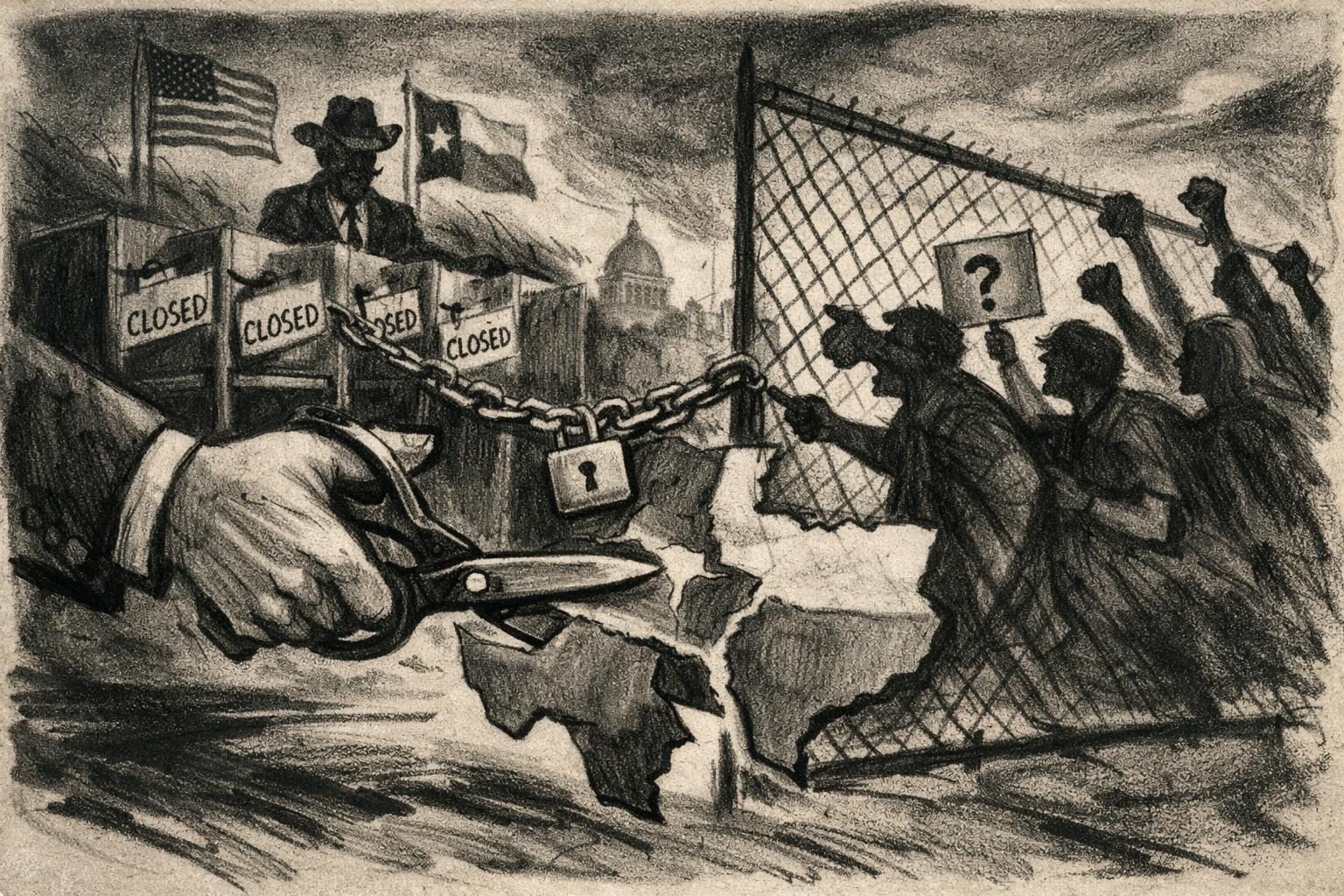
A major Texas county’s plan to shrink its polling-place network has quickly turned into a familiar kind of election-year fight: part administrative dispute, part partisan warning flare, and part test of how much inconvenience voters are expected to absorb in the name of efficiency. The proposal would leave residents with dozens fewer voting sites than in earlier elections, and that alone has been enough to trigger alarm among Democrats, voting-rights advocates, and local critics who say the timing could hardly be worse. With midterms approaching, every decision about where people can cast ballots is being scrutinized for what it might mean in practice and what it might signal politically. Supporters of broader access see the plan as one more step in a long pattern in which voting gets made slightly harder in ways that can be defended as ordinary administration. The county, for its part, says the changes reflect real logistical pressures rather than any effort to suppress turnout, but that explanation has done little to quiet the backlash.
The heart of the dispute is not abstract. Voting-rights groups argue that reducing polling locations will hit hardest in places where people are least able to adapt, including communities with limited transportation, long commutes, and less flexibility in work schedules. Those concerns are especially sharp in large counties, where a few fewer sites can translate into a lot more driving, waiting, and confusion on election day. A letter from voting-rights organizations urged county officials to reject the plan, warning that convenience is not a minor detail but a core part of making the franchise usable. That argument carries added force in an election cycle when turnout operations are already under strain and even small procedural shifts can affect who shows up and who gives up. Democrats have been quick to fold the issue into a broader warning that access to the ballot is being chipped away one local decision at a time. In their telling, the county’s proposal is not a neutral adjustment but another sign that election rules are becoming a political weapon.
County officials say the decision is being driven by practical concerns that have become harder to ignore. Recruiting enough poll workers has been an ongoing challenge, and election administrators across the country have struggled to maintain staffing levels that match the size and complexity of their voting systems. The county also points to the broader move toward countywide voting sites, a model that is supposed to give voters more flexibility about where they cast a ballot. Those explanations are not frivolous, and they do reflect real pressures on election administration. But even if the staffing shortage is genuine, it does not erase the consequences of reducing access, especially when voters are being asked to trust that a smaller network will still serve everyone fairly. The trouble is that efficiency arguments tend to sound a lot better in the abstract than they do to people who now have a longer trip, a tighter schedule, or a greater chance of encountering a line. And once the issue is framed as access versus convenience, the politics are almost impossible to separate from the logistics.
That is what makes the fight in this county more significant than a routine local budget dispute. Election changes at the county level often do not attract much attention unless they produce obvious chaos, but they can shape turnout in ways that are difficult to quantify and easy to dispute. In a state where voting rules have become deeply polarized, even modest changes can be read through the lens of partisan advantage or disadvantage, regardless of the stated intent. The county’s move also lands in a broader atmosphere in which election procedures are under constant suspicion, and public confidence is already fragile. That means officials have a higher burden to explain not only why a change is necessary, but why voters should believe it will not make participation harder. If the goal is to reassure the public that access is stable, cutting sites is a curious way to do it. For now, the plan remains a live controversy, and the political meaning of the decision is likely to matter almost as much as the practical effects once voters start lining up in November.
Comments
Threaded replies, voting, and reports are live. New users still go through screening on their first approved comments.
Log in to comment
No comments yet. Be the first reasonably on-topic person here.