
U.S. strikes Iranian rocket launchers near the Strait of Hormuz, and the war gets another notch worse
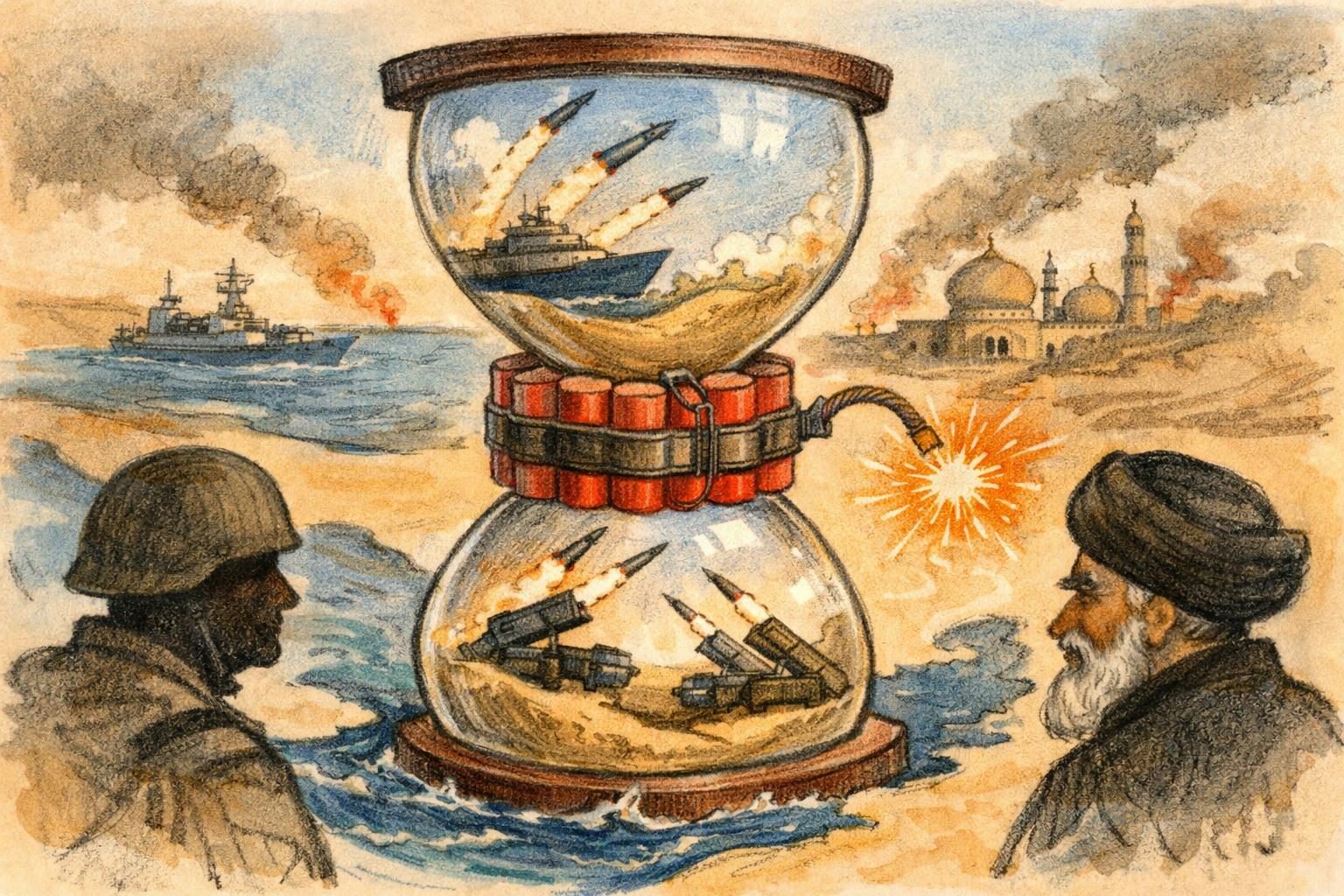
The U.S. military’s strike on Iranian rocket launchers near the Strait of Hormuz on Aug. 30, 2026, has snapped a tense conflict back into a more dangerous phase after a brief lull that had given the impression, however faintly, that the shooting might be easing. Instead, American forces have now taken their first military action in weeks, targeting launchers that were reportedly being readied near one of the most closely watched waterways in the world. That alone is enough to change the tone of the war, because the Strait of Hormuz is not merely a line on a map but a pressure point where military signaling, commercial shipping and regional politics all meet. When the two sides trade fire there, the consequences are rarely contained to the immediate battlefield. The strike also underscores how quickly a conflict that had gone quiet can become loud again once commanders decide they can no longer wait out the other side.
The location matters as much as the attack itself. The Strait of Hormuz handles a huge share of global energy traffic, which means any military exchange nearby immediately raises alarm beyond the region. Even a limited strike can send ripple effects through shipping lanes, insurance markets and the military calculations of neighboring states that do not want to be dragged in but can’t ignore what happens just offshore. Iranian forces had been seen preparing launch operations near the waterway, which is the sort of detail that U.S. officials are likely to point to as justification for acting first. Tehran, for its part, moved quickly to frame the episode as another step in a broader confrontation and threatened retaliation. It also claimed it had fired missiles at U.S. sites in Jordan, adding another layer of uncertainty to a conflict already thick with competing claims and counterclaims. Whether those missile claims are fully borne out or not, the political effect is the same: the confrontation is being narrated by both sides as one more round in a war neither is willing to describe as nearing an end.
That is why the strike is being read less as an isolated military event than as a signal about how the administration intends to manage the conflict. Officials are presenting the attack as a necessary response to an imminent threat, a familiar argument in cases where a commander says waiting would have invited greater danger. Critics, meanwhile, are warning that Washington is sliding deeper into a war without a publicly defined exit strategy, much less a convincing plan for preventing the next escalation. Both views can be true at once in the sense that a threat may have been real while the longer-term policy picture remains blurry. This is where the politics get messy, because the word “surgical” tends to do a lot of work in wartime briefings, and it often sounds neatest just before events start to pile up. A strike can be limited in the moment and still expand the war by changing expectations on both sides. Once launchers are hit, retaliation becomes a matter of pride, deterrence and domestic messaging as much as military necessity.
The broader regional fallout is what makes this flare-up especially unnerving. Gulf states have been trying to keep a lid on the violence, but those efforts are becoming harder to sustain as the military tempo keeps returning to the same flashpoints. Shipping operators, energy markets and regional governments all now have to factor in the possibility that the Strait of Hormuz could become a recurring stage for direct confrontation, even if neither side says it wants that outcome. U.S. forces in the area are already operating under persistent pressure, and a strike of this kind increases the odds that one side or the other will feel compelled to answer in a way that invites a larger exchange. That is the basic danger of this kind of war: the first move may be framed as defensive, but the second move often arrives under the banner of credibility. If the aim was to discourage Iranian operations near the strait, it remains unclear whether the attack will produce restraint or simply sharpen the incentive for revenge.
For now, the concrete facts are enough to make the trend line obvious even if some battlefield details remain unsettled. American forces hit Iranian launchers near a critical maritime chokepoint. Tehran threatened retaliation and said it had struck U.S. sites in Jordan. Regional actors are bracing for the next disruption, and no one seriously involved appears to be acting as though this is winding down. The immediate military exchange may have been relatively narrow, but the political and economic implications are much wider than the strike package itself. In a conflict that had briefly settled into a lower roar, the return of open action near Hormuz is a reminder that wars do not need dramatic new declarations to get worse; sometimes all it takes is one more launch site, one more warning, and one more decision to prove that deterrence is still in charge, even when it plainly is not.
Comments
Threaded replies, voting, and reports are live. New users still go through screening on their first approved comments.
Log in to comment
No comments yet. Be the first reasonably on-topic person here.