
ATF says a cybersecurity incident exposed investigative material from its CALEA system
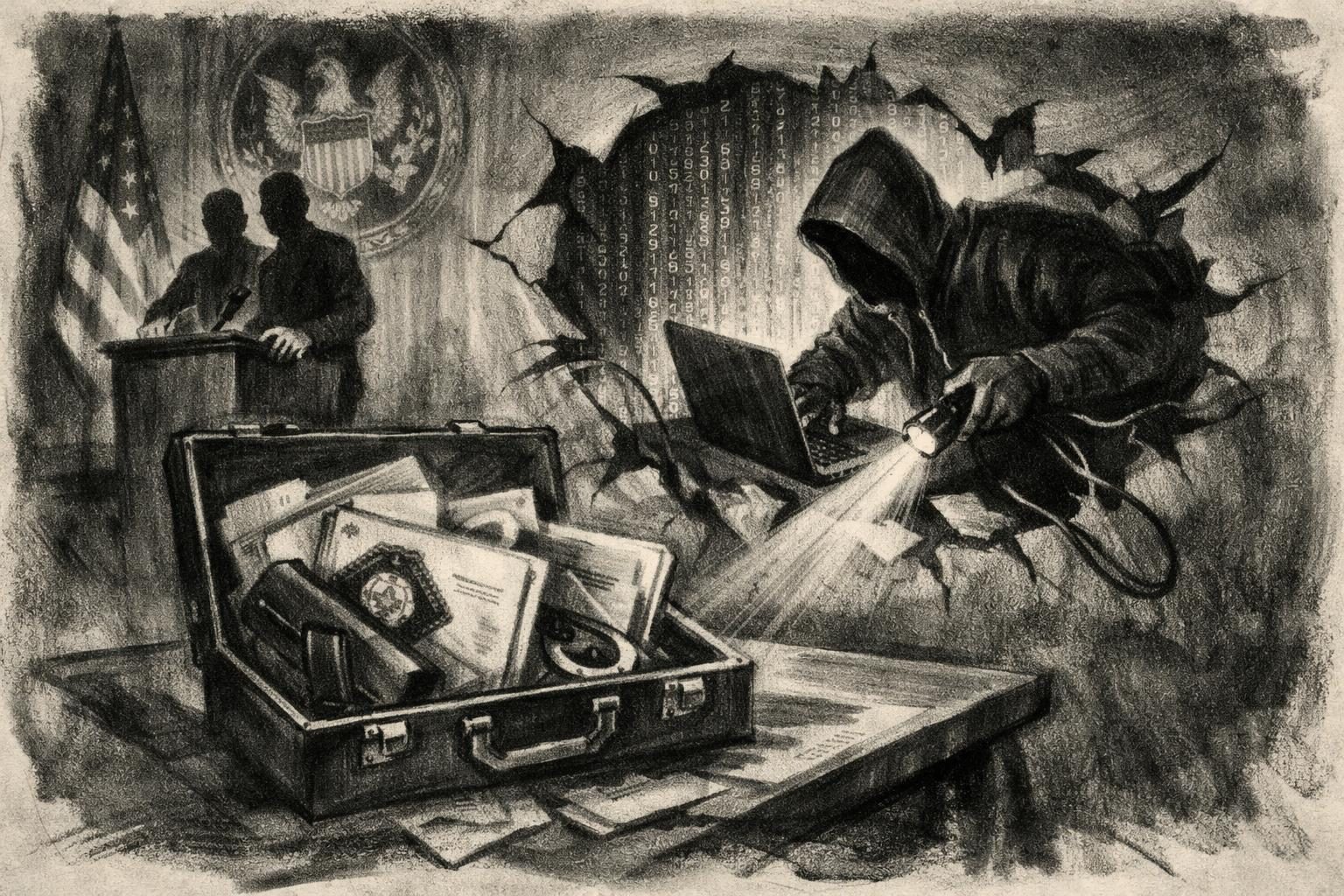
The Bureau of Alcohol, Tobacco, Firearms and Explosives said Monday that it is responding to a cybersecurity incident involving material tied to investigative matters in its CALEA system, a disclosure that immediately turns a routine-sounding agency notice into something far more serious. CALEA systems occupy an awkward but important corner of federal law enforcement work, linking communications compliance issues with access to investigative information, which means any compromise can raise questions that go well beyond ordinary IT trouble. The ATF’s public update makes clear that the matter is not being treated as a trivial internal malfunction. Even without a full accounting of what was touched, the fact that investigative material is involved is enough to trigger concern about data security, case integrity, and the broader reliability of government systems that are supposed to protect sensitive enforcement information. The agency disclosed the incident on August 31, and that timing matters because it suggests the problem has already advanced to the point where public acknowledgment is necessary.
The stakes here are bigger than the embarrassment of a federal bureau having to admit that a system connected to investigative work was affected. Law-enforcement agencies routinely demand strict compliance from private companies and local governments when it comes to safeguarding records, preserving communications, and protecting evidence, so any exposure inside a federal criminal-enforcement bureau carries an obvious credibility problem. Even if the breach turns out to be narrow, the mere possibility that investigative material was exposed can force agencies into damage assessment mode, with security teams, lawyers, and case agents all trying to determine what was accessed and whether it can be contained. That process can take time, and the uncertainty itself can be disruptive. Depending on the scope, affected material could complicate open matters, prompt internal reviews, and pull in inspectors general or congressional overseers who already tend to view federal cybersecurity as a recurring weak point. It is the sort of incident that can start as an administrative notice and quickly become a broader examination of how carefully sensitive information is actually protected.
What remains unclear, and what will likely determine how damaging this becomes, is the exact nature of the exposure. The ATF’s disclosure points to material related to investigative matters, but that phrase can cover a wide range of information, from case-related records to other operational data that could still be sensitive even if it is not the equivalent of a complete case file dump. The key questions are straightforward but consequential: what was accessed, how much information may have been involved, who or what was responsible, and whether the incident created a risk that reaches beyond the initial system. If the affected material included names, methods, timelines, or other operational details, the consequences could extend well past simple cleanup. Federal agencies often try to be careful in their initial language, and that caution is understandable, but it also means the public is left to infer more than it knows. Until the ATF provides additional detail, the incident sits in that uncomfortable middle ground between a manageable security event and a problem that could still widen as investigators learn more.
The political and institutional awkwardness of the situation is part of what makes it noteworthy. Federal law enforcement often presents itself as a guardian of secure systems, especially at a moment when data breaches across government remain a persistent issue. When the agency responsible for firearms, explosives, tobacco, and alcohol enforcement has to disclose a cybersecurity incident touching investigative material, the contrast is hard to ignore. It does not automatically mean the bureau failed catastrophically, and it does not yet prove that sensitive operations were broadly compromised. But it does reinforce a familiar tension in Washington: agencies keep asking for trust, more authority, and more technical access to data, while also struggling to defend the systems that hold that information. That tension can become politically inconvenient very quickly if the incident expands or if later reporting shows that the exposure was broader than first suggested. For now, the ATF appears to be in the early stages of assessing the damage, but the public acknowledgment alone means the issue is real, the questions are open, and the possibility of further fallout remains very much alive.
Comments
Threaded replies, voting, and reports are live. New users still go through screening on their first approved comments.
Log in to comment
No comments yet. Be the first reasonably on-topic person here.