
FEC’s latest update shows the election money machine grinding on
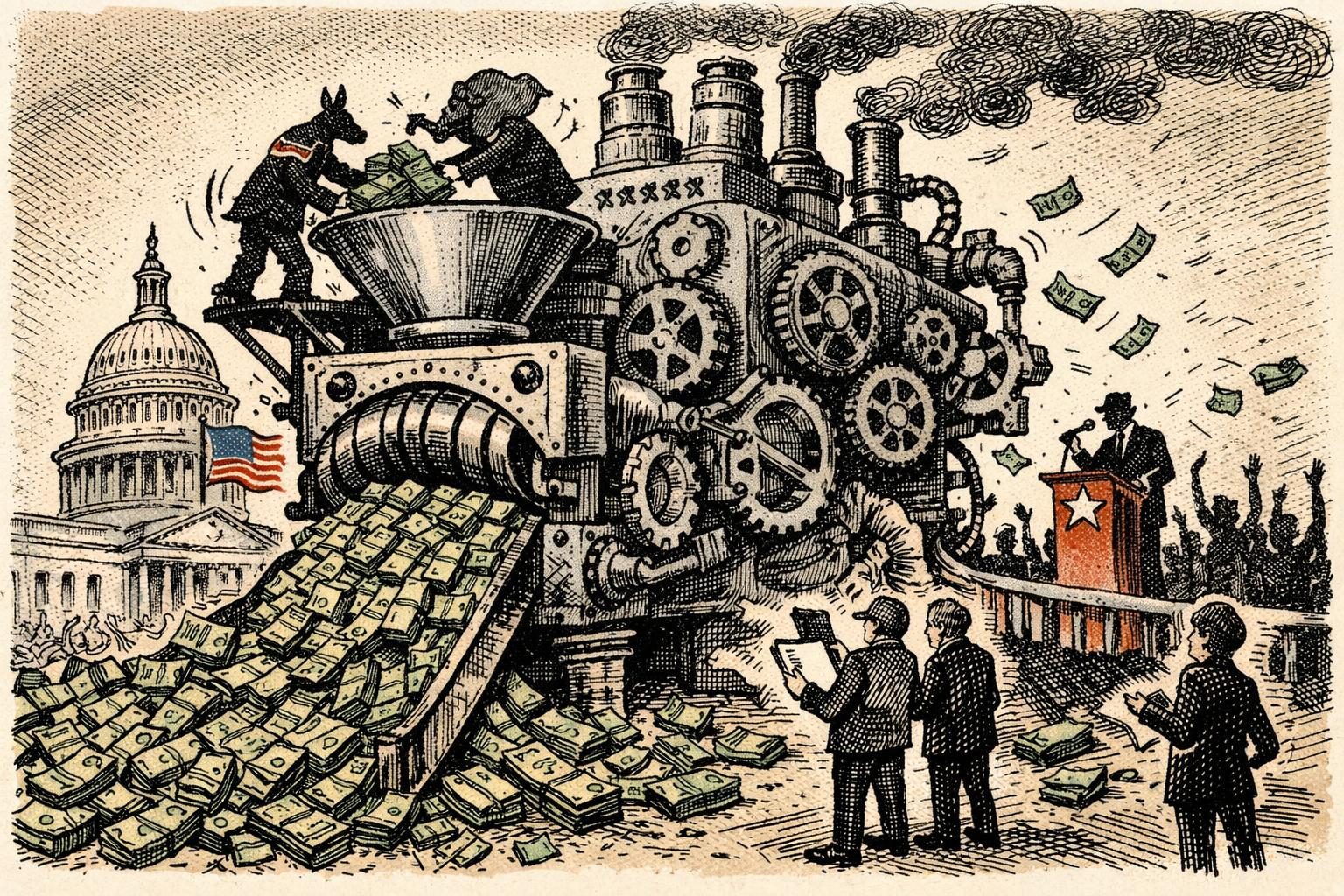
The Federal Election Commission’s latest public update is not the kind of page that usually sets off alarms, and that is exactly what makes it worth paying attention to. On August 31, the agency highlighted a fresh compliance reminder about electronic filing passwords while also posting a running total showing that political committees, individuals, and organizations have already disclosed $252.1 million in independent expenditures during the 2026 election cycle. None of that is a scandal on its own, and none of it points to a sudden breach in the system. But together, it offers a snapshot of a campaign-finance structure that is already operating at full tilt long before voters head to the polls. The update reads like an administrative housekeeping note, yet it also serves as a blunt reminder that the money race is underway and moving fast.
That matters because the FEC’s public-facing materials are often the clearest window into the permanent campaign. The agency’s updates page is where compliance obligations, filing procedures, training reminders, and reporting notices pile up in plain view, reflecting a political system in which the back office never really closes. Candidates, outside groups, consultants, treasurers, and volunteers all have to keep pace with deadlines and disclosures even as the scale of spending keeps expanding. In practice, that creates a world where political activity is inseparable from administrative churn, and where the infrastructure of elections demands constant attention simply to keep up with itself. The result is not just a lot of paperwork. It is a sprawling compliance environment that rewards the most organized and best-financed actors while making life harder for everyone else trying to monitor whether the rules are being followed.
The $252.1 million figure is especially striking because it reflects only one category of campaign money, not the full cost of running a national election cycle. Independent expenditures can come from political committees, individuals, and organizations acting outside a candidate’s official campaign operation, which means the number captures just part of the broader financial picture. Even so, it is already large enough to underline how quickly the 2026 cycle has turned into a cash-heavy contest. By this point in the calendar, spending totals like that are less a warning sign than an operating condition. They show that political combat is being financed well before the main autumn push, and that the market for influence, message amplification, and attack ads is already active. In that sense, the FEC’s update is less a report card than a scoreboard for the money machine.
There is no dramatic enforcement action buried in this particular update, and that is why the issue lands as a warning about scale rather than a revelation about wrongdoing. The more important story is structural: the election system is being powered by a level of spending that is difficult for ordinary voters, watchdogs, and even regulators to fully absorb in real time. When the agency’s public materials spend as much time reminding filers about passwords as they do tracking tens of millions of dollars in outside spending, it says something about where the pressure points in modern politics have shifted. The compliance burden is permanent, the cash keeps arriving, and the race to shape the political narrative starts earlier every cycle. If the 2026 campaign already looks expensive and relentless, that is because the machinery behind it is doing exactly what it is built to do.
Comments
Threaded replies, voting, and reports are live. New users still go through screening on their first approved comments.
Log in to comment
No comments yet. Be the first reasonably on-topic person here.