
Federal judiciary posts maintenance notice as PACER fee changes loom
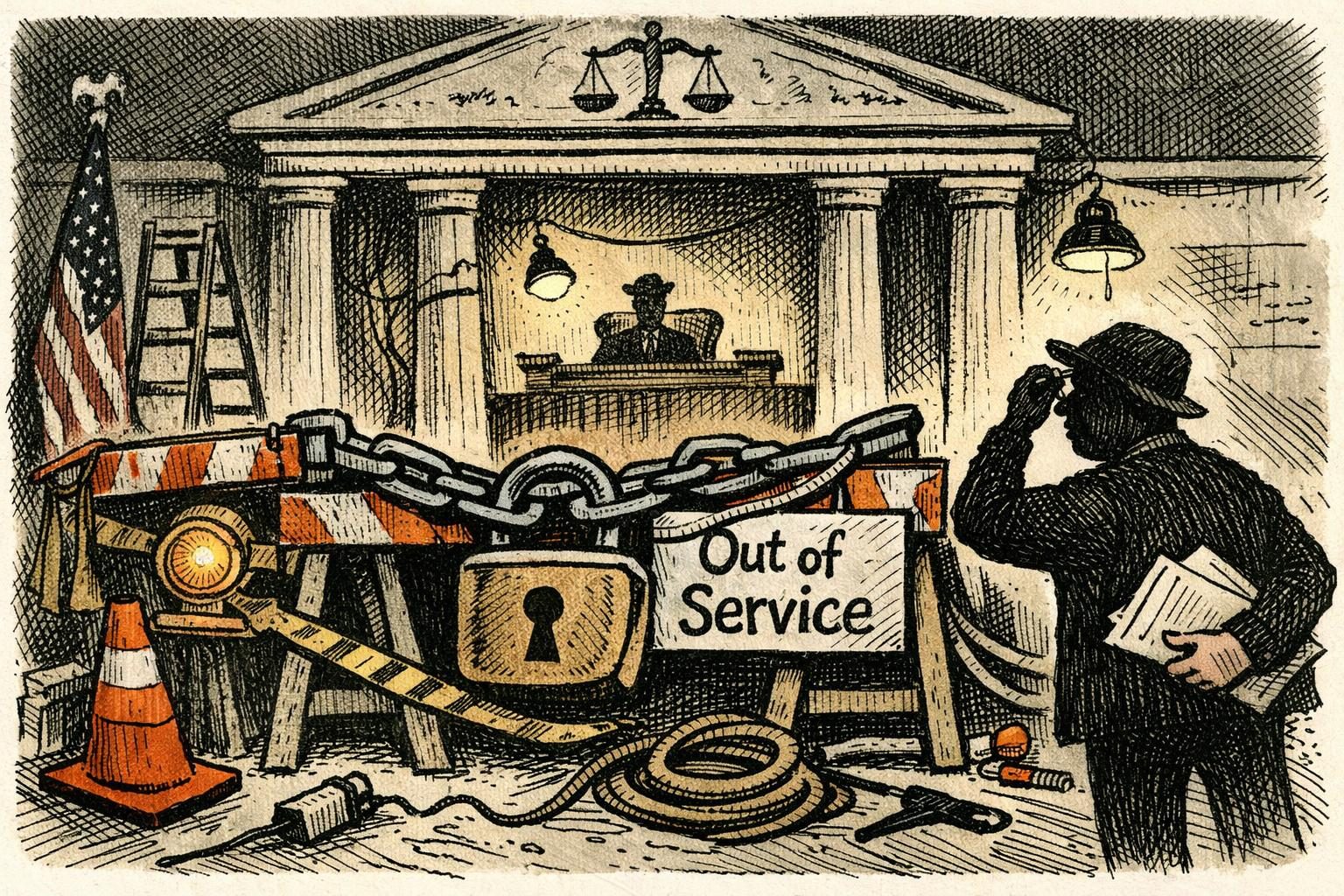
The federal judiciary’s latest maintenance notices for PACER are not the kind of announcement that normally sends anyone scrambling. A brief payment interruption, a reminder about access changes, and a note that the system is being worked on would, in a different context, read like ordinary back-office housekeeping. But PACER is not just any billing portal, and the timing of even small administrative tweaks can matter when they touch the public’s ability to monitor the federal courts. For lawyers, journalists, researchers, and members of the public who rely on the system, these notices are another reminder that access to the docket is not a static public good but a managed service with rules, fees, and periodic friction. In a system built on the idea that court proceedings should be open to scrutiny, the mechanics of getting in the door are not a minor detail.
That is why this kind of update lands with more significance than it might first appear to have. The federal courts have been signaling for some time that they are modernizing their case-management and public-access infrastructure, and that modernization comes with the usual language about efficiency, security, and better service. Those are not inherently unreasonable goals, and in a sprawling court system there are always legitimate technical reasons for maintenance windows and payment interruptions. Still, the people who actually depend on PACER tend to experience those changes less as a sleek upgrade than as another layer of procedure in a system that already asks a lot from its users. When the government says it is improving access, the public often winds up paying in time, money, or inconvenience before any promised benefits become visible. That gap between official messaging and lived experience is where skepticism tends to take root.
The practical effects of the latest notices are limited, at least in the immediate term. A short interruption in online payments is not a crisis, and a notice about upcoming access changes does not by itself prove that courts are closing ranks or trying to hide anything. But the significance of these updates lies in the cumulative burden they place on people who need regular access to federal filings. Courts reporters, watchdog organizations, public-interest lawyers, academics, and small legal practices often operate without the deep pockets that let larger firms absorb platform fees and workarounds without much strain. For them, small disruptions are not small at all; they can delay reporting, complicate case monitoring, and add just enough drag to make comprehensive oversight harder. That matters because transparency is not only about the formal availability of records. It is also about whether the people most likely to use those records can actually do so without running into constant barriers.
The broader political issue here is less dramatic, but arguably more important, than any one maintenance notice. Washington loves to talk about openness, accountability, and public trust, yet the machinery that makes those ideals real is often expensive, centralized, and difficult to navigate. When access systems become more complex or more costly, the effects are not evenly shared. Bigger institutions can hire staff, buy subscriptions, and build internal workflows around whatever the courts require. Smaller players, independent journalists, and ordinary members of the public usually cannot. That creates a quiet inequality in access to information, one that may not produce immediate headlines but can still shape how much oversight the judiciary actually faces. For that reason, even a routine PACER notice deserves attention. It is a small sign of a larger reality: the public’s window into the federal courts is still there, but it is increasingly mediated by systems that can add friction at exactly the moment transparency is supposed to be easiest.
Comments
Threaded replies, voting, and reports are live. New users still go through screening on their first approved comments.
Log in to comment
No comments yet. Be the first reasonably on-topic person here.