
Federal jury convicts former AFGE local president in Maryland fraud case
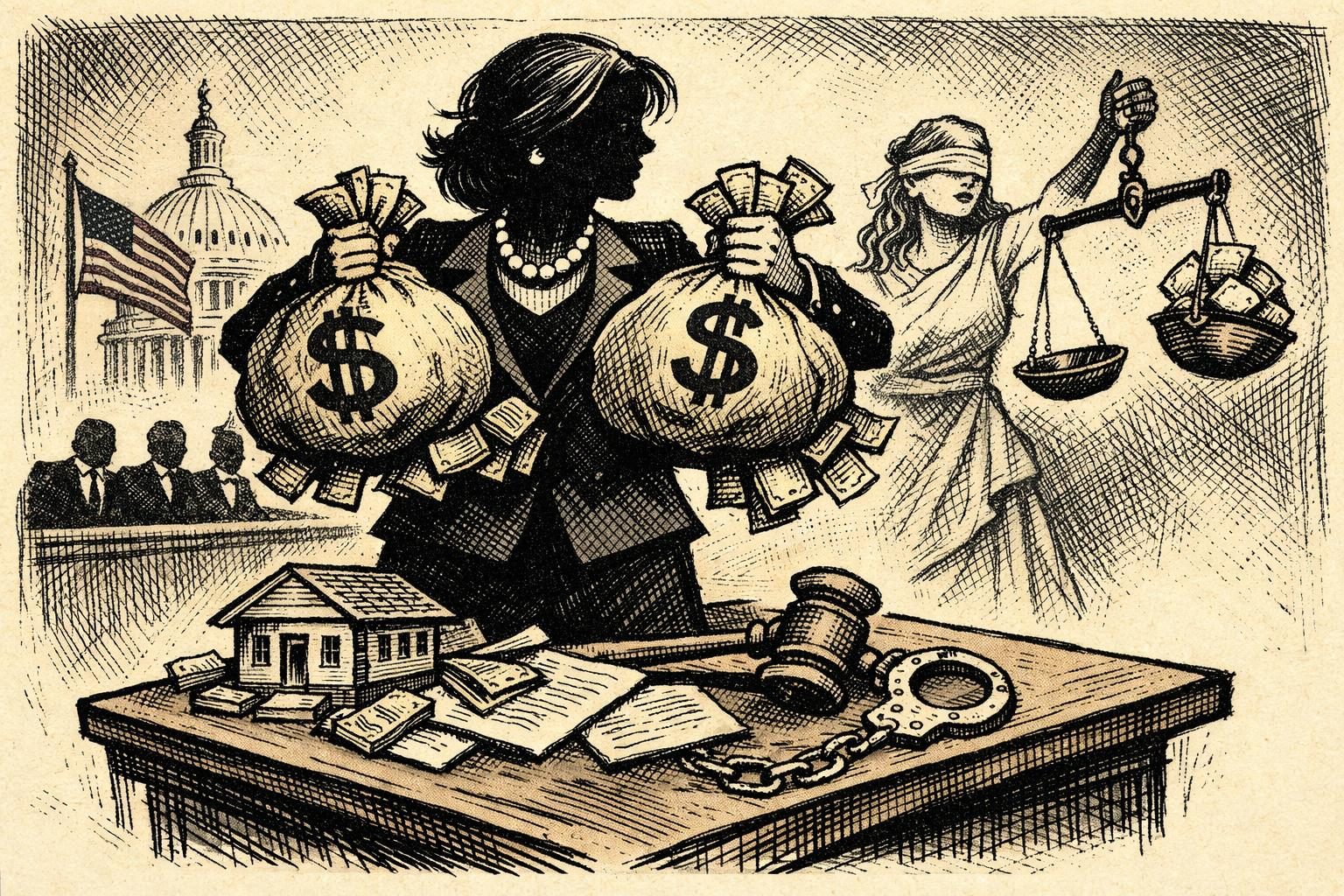
A federal jury in Greenbelt, Maryland, has found Kimberly Goodwin, the former president of AFGE Local 2419, guilty of wire fraud conspiracy and eight counts of money laundering, closing the loop on a case that prosecutors framed as a straightforward abuse of union power. The verdict, returned on August 31, marks a sharp fall for a local labor leader who once held a position built on trust, representation, and stewardship of member dues. According to the government’s case, Goodwin did not merely mishandle money or make poor administrative choices. Prosecutors said she used her office to divert union funds for her own benefit, turning money collected from workers into a source of personal gain. That is the sort of allegation that hits organized labor where it hurts most, because it feeds the oldest and most damaging suspicion about union leadership: that the people who are supposed to protect workers may sometimes be tempted to protect themselves first. It also gives opponents of public-sector unions an easy example to brandish, no matter how narrow or unusual the case may be in the larger labor landscape.
The facts described by prosecutors make the case more than a routine accounting dispute. Wire fraud conspiracy and money laundering are serious felony charges, and the jury’s guilty verdict suggests it accepted the government’s argument that the conduct was deliberate rather than accidental. That distinction matters because labor organizations, like any other institution handling pooled money, depend on basic financial controls, internal oversight, and the expectation that leaders will not treat member funds as discretionary spending. In a union setting, that expectation has special weight. Workers contribute dues with the understanding that the money will support bargaining, representation, grievances, organizing, and the day-to-day operations that keep the local functioning. When a local president is accused of siphoning off those resources, the damage is not limited to the dollar amount involved. The deeper harm is the breach of trust, and once that trust is broken, rebuilding it can be slow and politically painful. Even if the union itself was not charged, the public perception problem is immediate, because outsiders rarely separate one case from the broader institution with any care. For critics already eager to argue that unions are bloated, self-serving, or poorly supervised, the verdict is a gift. For union members who expect their dues to be handled carefully, it is another reminder that accountability cannot be left to slogans.
At the same time, it would be dishonest to pretend that one criminal conviction defines organized labor as a whole. Most union officers are not laundering money, and most locals are not run like personal piggy banks. The labor movement still exists because millions of workers believe collective bargaining gives them leverage they would not have on their own, and that basic fact does not disappear because one local president allegedly crossed the line. Still, cases like this do real political damage because they collapse a complex movement into a simple morality tale. Anti-union politicians and activists do not need many such examples before they start using them as proof that dues are wasted, leadership is corrupt, and worker organizations are inherently suspect. That is a predictable attack line, and it lands more easily when the underlying facts involve criminal convictions rather than vague accusations. For that reason, the case also serves as a warning to union members and union leaders alike. Internal safeguards, audits, documentation, and real oversight are not bureaucratic decorations. They are the only practical defense against the kind of misconduct prosecutors say occurred here. If a union cannot show that it can police its own finances, it invites outsiders to do the job for it, often with bad motives and broader aims than any single case.
The broader consequences now unfold on both the legal and political fronts. Goodwin’s conviction gives prosecutors a concrete win in a case they say involved deliberate deception and laundering, not a bookkeeping mistake or an isolated lapse in judgment. It also gives labor’s opponents a fresh talking point at a time when public-sector unions already face relentless scrutiny from lawmakers and ideological critics who want to portray every collected dollar as suspect. That does not mean the verdict will have any automatic effect on union law or on the standing of AFGE more broadly, but it does mean the damage to reputation is real and immediate. Workers who had nothing to do with the conduct may still feel the fallout because public perception rarely parses responsibility with much precision. And for the labor movement, that is the unfortunate asymmetry of cases like this: a single leader’s alleged abuse can become a cudgel used against thousands of ordinary members who were simply trying to improve wages, benefits, and workplace protections. The lesson is as old as organized politics itself. Any institution that asks people to pool their money and trust its leaders will eventually be judged by how it handles the worst among them. Here, a federal jury has made clear that the government’s allegations were serious enough to convince twelve people beyond a reasonable doubt. The rest of the labor world now has to live with the consequences, whether it likes the optics or not.
Comments
Threaded replies, voting, and reports are live. New users still go through screening on their first approved comments.
Log in to comment
No comments yet. Be the first reasonably on-topic person here.