
House returns to Washington with a full plate and zero interest in looking calm
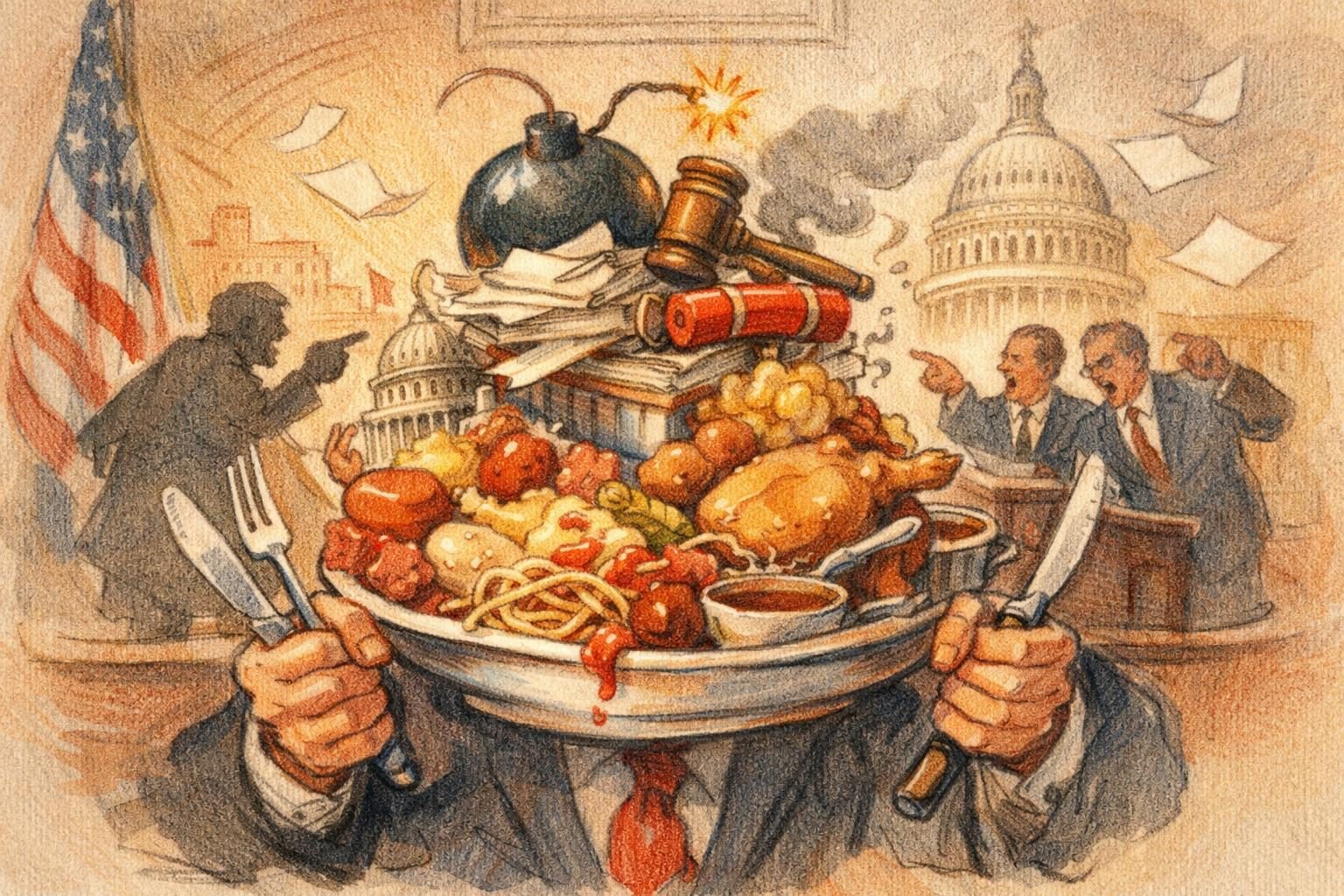
The House is back in Washington on Monday, and that simple calendar fact is enough to kick the country right back into the familiar rhythm of deadline pressure, partisan suspicion, and procedural theater. After the August recess, members return to a chamber that is not merely open for business, but immediately responsible for handling an unwieldy pile of unfinished work. Appropriations bills are still hanging over the floor, oversight fights are waiting to be revived, and the usual question of who blinks first in a funding standoff is once again back on the table. None of that guarantees a dramatic blowup in the first hours or even the first week, but it does mean the House has reentered a phase where almost any misstep can become a governing problem. In that sense, the return itself is the event: the machinery is running again, and so are the risks that come with it.
What makes the restart significant is not that Congress has discovered new discipline after the recess, because there is little evidence of that. It is that the chamber is now operating inside a live deadline environment, where every move on spending and floor scheduling has consequences well beyond the Capitol. The House is where broad budget promises often get translated into the messy mechanics of actual lawmaking, and that is where things tend to jam. If leadership cannot hold together enough members to move appropriations on time, the fallout is rarely abstract. Delays can cascade into shutdown politics, forcing agencies, federal workers, contractors, and state partners to sit in the blast radius of congressional indecision. Even routine items like nominations and oversight hearings can become bargaining chips in a broader fight over leverage. The result is a chamber that can take what should be manageable legislative tasks and turn them into tests of will, loyalty, and endurance.
The oversight side of the House calendar matters just as much, even if it tends to attract less attention than a looming funding deadline. Returning members can force votes, open new inquiries, and put pressure on one another in ways that are often politically useful but institutionally exhausting. That creates the possibility of accountability, which is the optimistic version of what a functioning legislature is supposed to do. It also creates a steady supply of traps, counters, and staged confrontation, which is the less flattering version of the same reality. For the majority, the challenge is not simply to pass legislation; it is to keep the chamber from becoming a venue for self-inflicted chaos every time a faction decides to make a point. For the minority, the incentive is to exploit every opening, whether the issue is spending, process, or the kind of procedural foul play that becomes a news story precisely because it is so routine. The House is therefore not just resuming work. It is resuming the habits that make that work so difficult in the first place.
That is why the Monday return matters even without a single headline-grabbing vote attached to it. A chamber that has spent weeks away from Washington comes back into a schedule where the political temperature is already elevated, and where every procedural choice can be read as a signal about what kind of September is coming. If leadership looks weak, hardliners gain more leverage. If the floor stalls, the path to a broader funding fight becomes shorter. If committee business gets pushed aside, unfinished oversight and legislative items only accumulate, making later action harder and more improvisational. The danger is not only a dramatic breakdown, but the quieter kind of failure that starts with delay, then turns into bargaining fatigue, and eventually becomes a crisis everyone insists was avoidable. That is the institutional pattern the House is reentering on August 31, and it is exactly why the return is worth watching closely. It is not the most glamorous form of political drama, but it is the kind that shapes whether government functions at all, or simply keeps pretending it might on the next vote.
Comments
Threaded replies, voting, and reports are live. New users still go through screening on their first approved comments.
Log in to comment
No comments yet. Be the first reasonably on-topic person here.