
Judge keeps the 75-country visa fight on life support
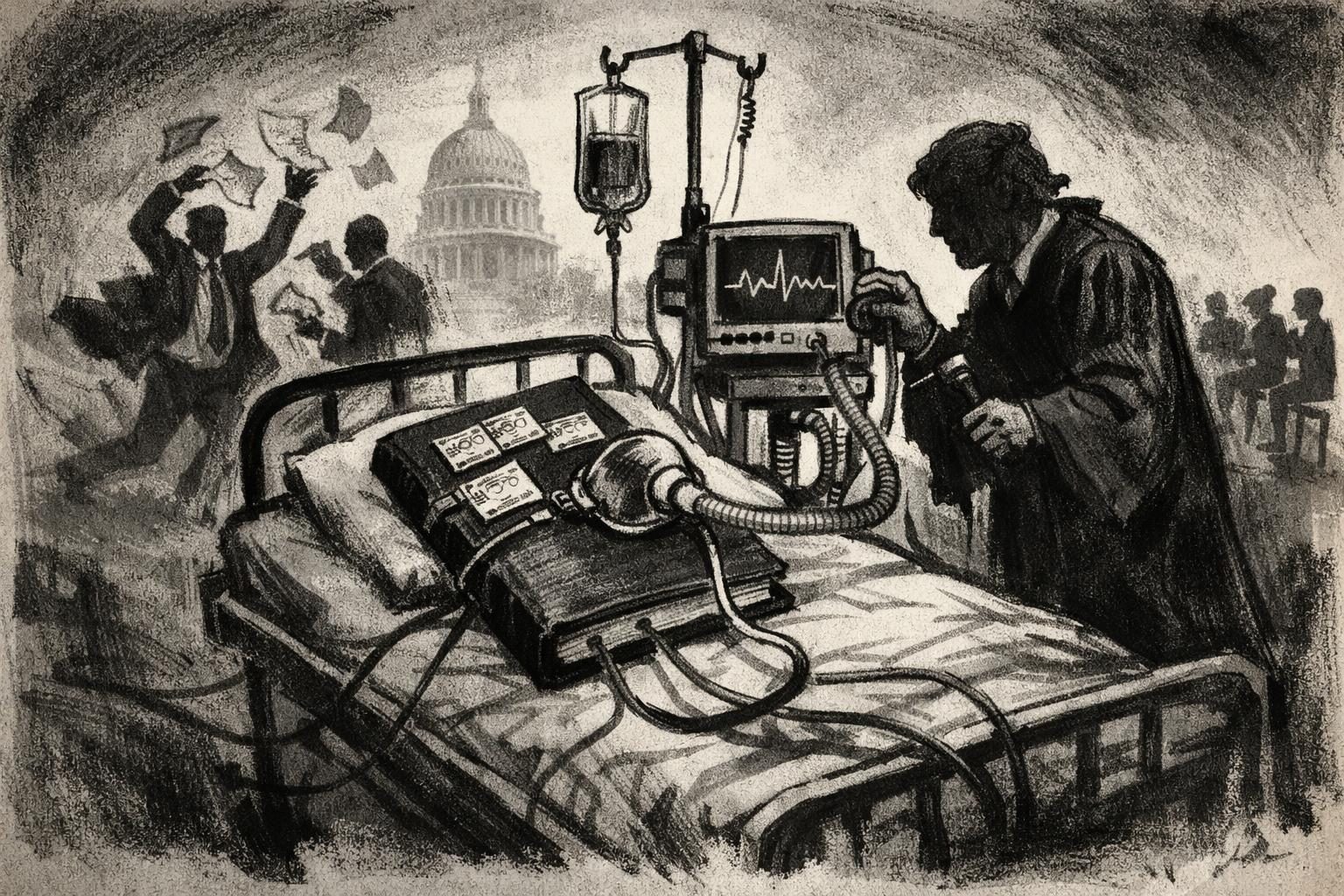
A federal judge’s latest move in the fight over the administration’s 75-country visa restrictions has kept an already messy dispute very much alive, and that is bad news for anyone who was hoping for clarity any time soon. Instead of letting the matter drift, the court’s emergency handling has forced the government to keep explaining what it thinks the order requires and whether the policy is actually being carried out in the field. The result is a situation that looks less like settled immigration administration and more like a bureaucratic argument with real-world consequences attached. People trying to travel, study, or reunite with family are still stuck waiting for answers that should have been straightforward. September visa interviews, in particular, remain in limbo while the lawyers argue over whether agencies are complying, hedging, or simply improvising. In other words, the system is still doing what it does best in moments like this: generating uncertainty at scale.
The dispute itself is not especially elegant, but the stakes are. The case centers on emergency motion practice tied to the administration’s restrictions affecting nationals of 75 countries, and the basic fight is over whether the government’s actions match its public claims. On one side, the administration has been signaling that it is following the court’s directive and managing the policy in an orderly way. On the other side, advocates and challengers are treating the situation as evidence that the order is either being applied inconsistently or not being operationalized the way officials say it is. That gap matters because visa policy is not a slogan or a press release. It is appointment calendars, document review, consular workloads, and whether a person can move forward with life plans that may have been months or years in the making. When those systems seize up, the harm is immediate and often impossible to unwind later. The judge’s involvement has effectively prevented the administration from treating the dispute as something that can be waved away with a statement of confidence.
That is why this case has become a larger test of credibility for the administration, not just a technical legal battle over one policy. If officials insist the rules are being followed while the practical effect is canceled interviews, delayed processing, and confusion at consular posts, then somebody is either misunderstanding the order or presenting a much cleaner picture than the one on the ground. Neither option is flattering. It also reinforces a familiar pattern in immigration politics, where hardline policy is sold as disciplined and precise but arrives as a patchwork of last-minute guidance, institutional friction, and overlapping claims of compliance. The administration may want the public to see resolve and control, but the case is projecting something closer to administrative whiplash. For affected applicants, that distinction is not academic. It is the difference between having a scheduled path forward and being left in a holding pattern that can swallow entire travel windows.
There is also a broader institutional problem hiding inside the immediate chaos. When a court has to keep pressing the government to clarify whether a policy is actually in effect as described, that suggests the machinery of implementation is either underdeveloped or being described in overly confident terms. Either way, the burden shifts onto the government to prove it is doing what it says it is doing, and that is not a comfortable posture for an administration that likes to frame immigration enforcement as strong, tidy, and fully under control. The emergency handling has ensured that the September interview schedule is still being treated as negotiable rather than settled, and that creates continuing pressure on the agencies involved to account for their behavior in detail. The longer this drags on, the more the story stops being about the wording of one legal order and starts being about the government's capacity to execute policy without leaving a trail of confusion behind it. That is a serious operational failure, even before anyone gets to the broader political fallout.
The likely short-term result is more litigation, more demands for documentation, and more scrutiny over what exactly has happened since the restrictions were announced. The longer-term consequence may be even more damaging for the administration, because every round of uncertainty reinforces the idea that this policy is being run as a muscle-flex rather than a coherent administrative action. That perception can stick, especially when the people paying the price are not abstractions but applicants whose lives are being interrupted in real time. A court fight can be won or lost on technical grounds, but the public damage from confusion is harder to undo once it has set in. For now, the government is spending time and institutional capital defending its own compliance story while the underlying practical problem remains unresolved. That is not what a functioning policy rollout looks like. It is a paperwork fire drill with families, students, and travelers caught in the middle, and the court is making sure nobody gets to pretend otherwise.
Comments
Threaded replies, voting, and reports are live. New users still go through screening on their first approved comments.
Log in to comment
No comments yet. Be the first reasonably on-topic person here.