
Ohio State cuts a $2.1 million check over China-disclosure allegations in federal research grants
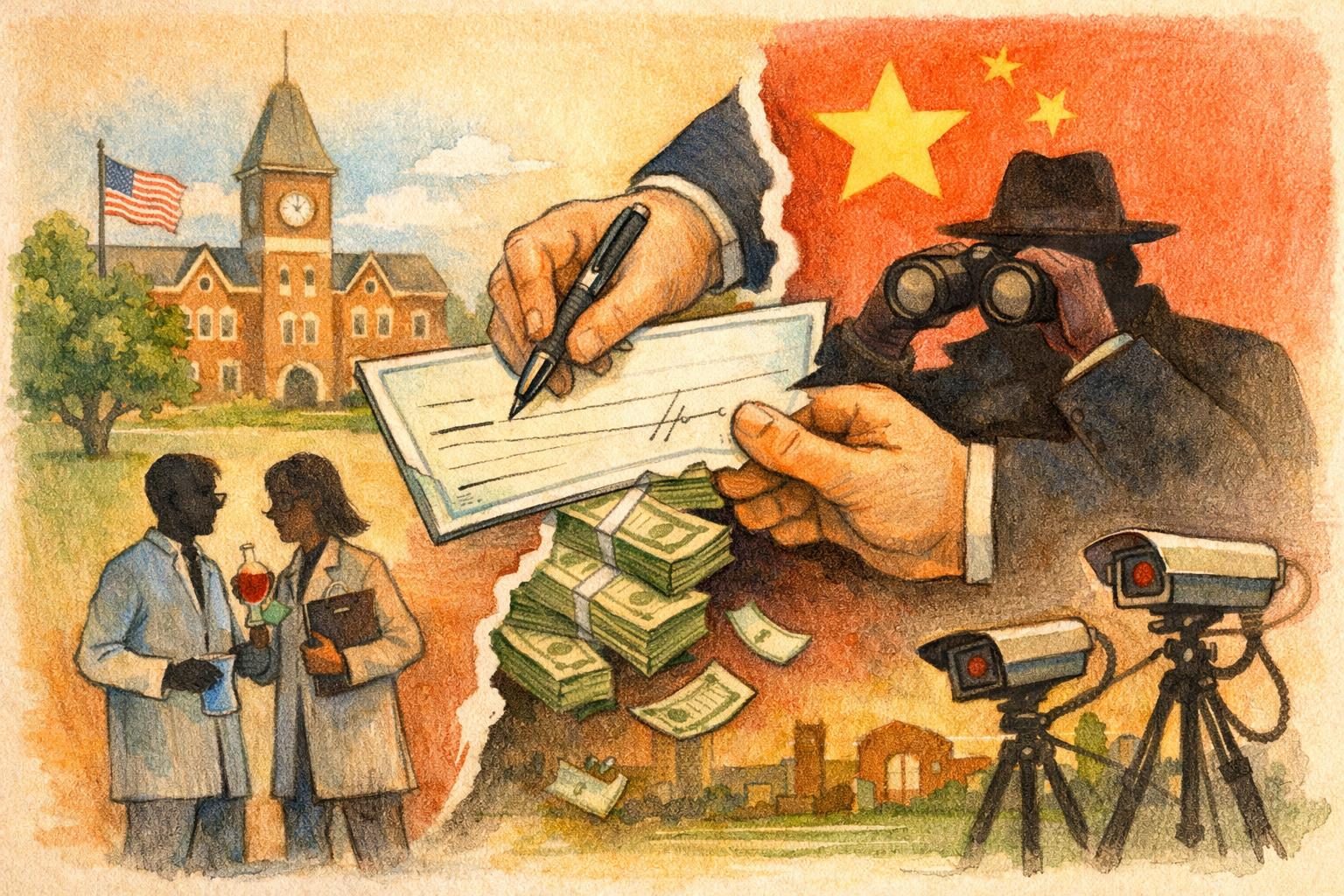
Ohio State University has agreed to pay $2.1 million to settle civil allegations that it failed to disclose employees’ affiliations with, and support from, the People’s Republic of China in federal research funding applications. The settlement was announced Monday and comes with additional terms tied to compliance and oversight, underscoring that this was treated by federal officials as more than a routine paperwork correction. The government’s theory is not that Ohio State engaged in espionage or handed over secrets, but that it did not fully satisfy disclosure obligations attached to public research money. In the world of federal grants, that distinction still matters a great deal, because disclosure requirements are part of the deal universities accept when they take taxpayer dollars for scientific work. The result is a financial penalty, yes, but also a public signal that the rules around foreign ties in federally funded research are being enforced with growing force.
The underlying allegation is narrower than the rhetoric around it might suggest. At issue is whether the university properly identified outside affiliations and support connected to China in applications for federal funding, not whether its researchers stole information or deliberately undermined national security. Still, the case sits in a sensitive area where administrative compliance, institutional reputation, and geopolitical fear overlap. Federal agencies have increasingly treated foreign ties, especially China-related ones, as a core research-security concern, and universities now operate under a level of scrutiny that would have seemed extreme a decade ago. Supporters of that approach say universities need stricter rules because foreign funding and undisclosed affiliations can create hidden conflicts and expose federally supported work to risk. Critics see something else: a system that can quickly turn ordinary international collaboration into suspicion, even when the conduct at issue is disclosure failure rather than malign intent. That tension is baked into this settlement, which reads like a legal resolution but lands like a warning.
For Ohio State, the immediate cost is the $2.1 million check, but the longer-term cost may be the shadow it casts over the institution’s research enterprise. Universities compete for federal science dollars in part because those grants support laboratories, graduate training, and long-term projects that private funding often will not cover. They also depend on trust, both from agencies and from the researchers who have to navigate increasingly complicated compliance rules. A settlement like this can force an institution to spend more on internal review, documentation, and monitoring, while also making it more cautious about the kinds of affiliations its faculty and staff may maintain. That may reduce risk in the eyes of federal overseers, but it can also chill legitimate international work, especially for scholars whose careers naturally involve cross-border collaboration. In practical terms, the damage goes beyond the amount written on the settlement line. The reputational hit can affect recruitment, grant competitiveness, and the university’s ability to persuade regulators that its systems are reliable.
The broader political backdrop helps explain why this case will be read as more than a one-off compliance matter. Research security has become a favored federal frame for policing universities, and China-related allegations have emerged as a particularly potent way to justify intervention. Advocates for tougher enforcement argue that the government is simply protecting the integrity of publicly funded research and making sure universities tell the truth about foreign support and relationships. Opponents argue that the crackdown often sweeps too broadly, encourages a culture of suspicion, and places disproportionate pressure on scientists with international backgrounds or family and professional ties abroad. That criticism does not erase the obligation to disclose foreign affiliations, but it does raise a fair question about whether the current approach is calibrated or reflexive. Ohio State’s settlement does not settle that debate. What it does do is add another data point to a larger campaign in which compliance disputes are increasingly being framed as national-security failures, and universities are being told, in effect, that the cost of missing a disclosure is not just administrative correction but public discipline.
Comments
Threaded replies, voting, and reports are live. New users still go through screening on their first approved comments.
Log in to comment
No comments yet. Be the first reasonably on-topic person here.