
Trump’s Venezuela oil gamble lands in the middle of a backlash pileup
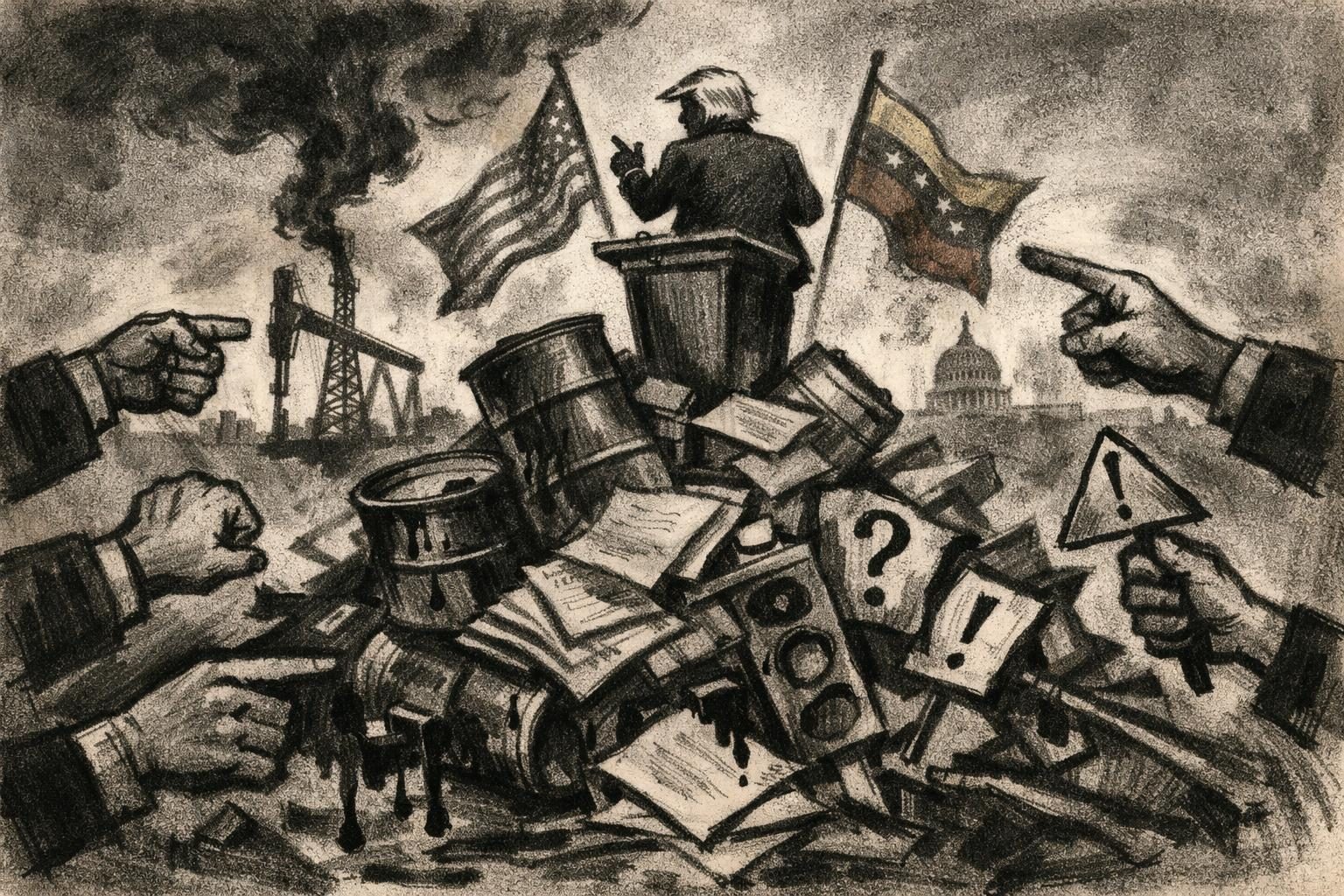
President Donald Trump’s announcement on Aug. 31 that Venezuela’s acting president had agreed to hand a U.S. company control over vast oil reserves instantly dropped a volatile new subject into an already overloaded political moment. The claim landed with the kind of force that makes everybody stop and ask the same basic question: what, exactly, was just agreed to? So far, the public version of the arrangement is heavy on sweeping language and light on the details that would normally make such a deal intelligible. That is a problem in any administration, but especially in one that has chosen to frame energy policy as both an economic fix and a symbol of national strength. The pitch may have been meant to sound decisive, yet it instead opened a fresh round of doubts about legality, accountability, and whether the White House is once again moving faster than the facts can support.
The substance of the announcement matters because oil policy is one of those areas where broad slogans almost immediately collide with hard realities. Americans do not experience energy strategy in press statements or ceremonial declarations; they experience it at the gas station, on utility bills, and in the prices that ripple through the rest of the economy. That is why any sudden promise of expanded access to Venezuelan oil is bound to be judged against the simple question of whether it actually helps lower costs or just creates a new political spectacle. The administration is making this announcement while fuel prices have remained elevated through August and while tensions with Iran have again pushed energy markets into an anxious state. In that environment, a vague foreign oil breakthrough does not automatically read as relief. It can just as easily look like an improvisation designed to project confidence at a time when voters are still feeling the sting of expensive gasoline.
That is also why the backlash is building so quickly. Venezuelan critics are already furious, and for obvious reasons: any arrangement that appears to hand control of major national resources to an outside company will be treated as a sovereignty fight before it is treated as an economic one. The oil industry, meanwhile, wants specifics rather than rhetoric. Firms that might be asked to participate in or benefit from such a deal will want to know what legal authority is being used, what the commercial terms are, how the reserves are being valued, and what protections exist if the political situation changes. Former officials are already warning that if the arrangement is shaky, opaque, or too obviously political, it could become an albatross if control of the White House changes hands later. That is not a minor concern. Energy deals involving foreign assets can last longer than any single administration, and if they are constructed sloppily, they can become a durable source of investigation, litigation, and diplomatic resentment.
The bigger issue is that this announcement invites two bad interpretations at once, and neither one helps the president. If the arrangement is real and legally enforceable, then the White House is signaling a major foreign-policy and resource decision with enormous long-term consequences, all while leaving the public to infer the fine print. If the deal is still incomplete or not fully baked, then the administration has announced a huge oil bargain before having the substance necessary to defend it. Either way, the optics are rough. A White House that has repeatedly promised competence is now selling a high-stakes energy story that looks rushed, brittle, and vulnerable to challenge from every direction. Congress, watchdog groups, and almost certainly the courts will have reasons to ask what was agreed to, who authorized it, and whether the government has overreached in trying to turn a geopolitical opening into a domestic political win. That means the announcement is not just another loud foreign-policy moment. It is the start of a likely fight over authority, transparency, and whether the administration is using public energy anxiety to sell a deal whose terms may not survive scrutiny.
Comments
Threaded replies, voting, and reports are live. New users still go through screening on their first approved comments.
Log in to comment
No comments yet. Be the first reasonably on-topic person here.