
The ACA purge plan is still headed straight into a credibility problem
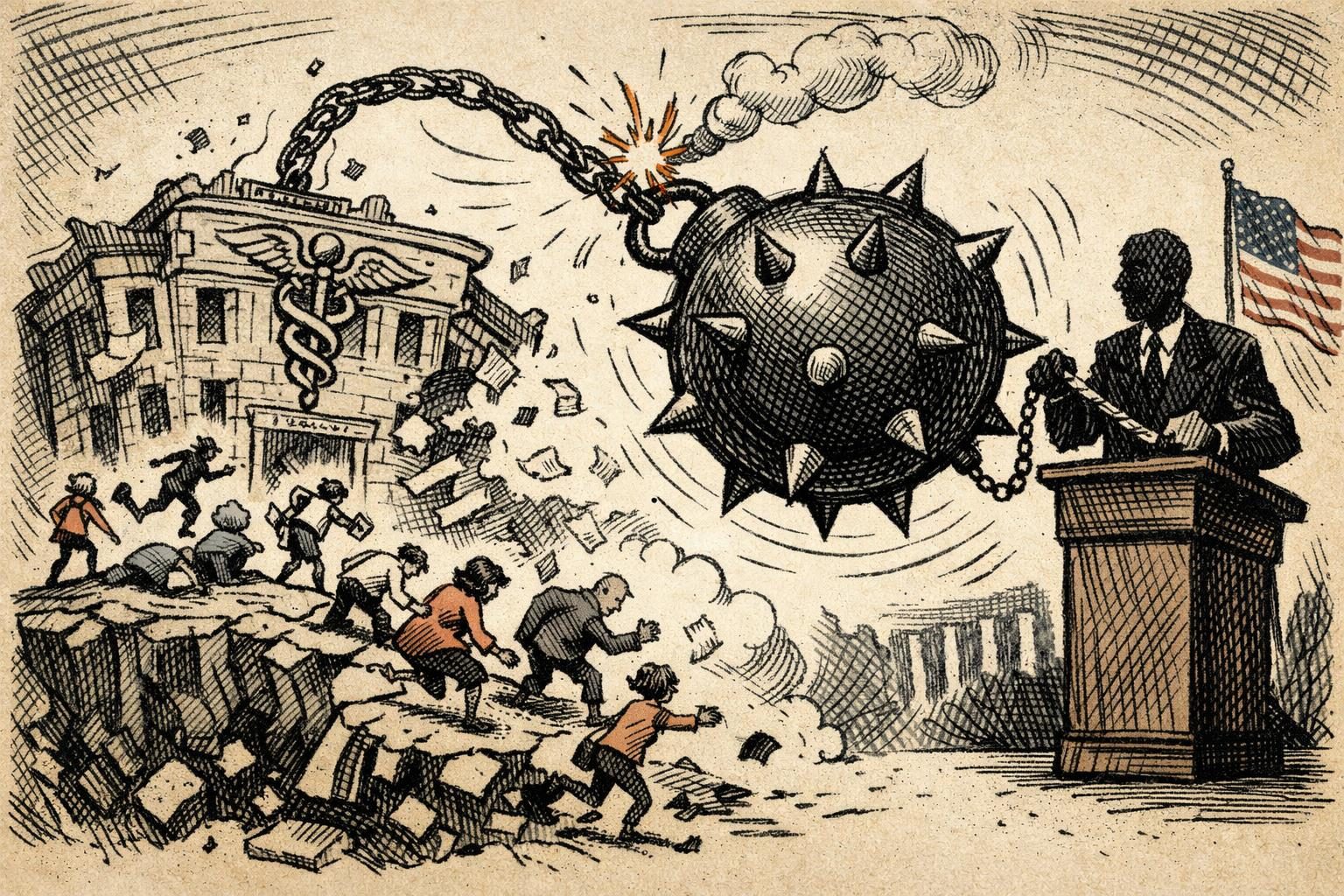
The administration’s plan to remove 760,000 Affordable Care Act enrollees from the exchanges over alleged fraud is the kind of announcement that can sound crisp in a briefing room and turn into a political and administrative swamp the moment it meets the real world. On its face, the goal is simple enough: officials say they want to clean up enrollment rolls, knock out people who were fraudulently signed up, and get rid of names that should not be there at all. In practice, a move this large is not a bookkeeping exercise. It is a direct intervention in the health coverage of hundreds of thousands of people, and that makes every step of the process matter. The difference between a legitimate fraud case, a bad data match, and a bureaucratic mistake is not academic when the consequence could be losing insurance.
That is why the number itself has drawn so much attention. Three-quarters of a million people is not a marginal figure that can be brushed aside as routine maintenance. If even a portion of those enrollees are real people who get swept up in a blunt verification effort, the disruption would be immediate and personal. Coverage losses can mean postponed care, prescriptions put on hold, and medical bills that suddenly become unmanageable. They can also trigger confusion that lasts long after the first notice goes out, especially for families who may not understand whether they are being flagged because of incomplete paperwork, mismatched records, or a finding that someone truly should never have been enrolled. The administration is treating the issue as a fraud-control measure, but critics see a coverage purge with potentially severe collateral damage. That gap in interpretation is where the credibility fight begins.
The central problem is not that fraud or improper enrollment never happens. It does, and every large public program has to contend with bad actors, sloppy data, and administrative error. The problem is whether the government can prove, with enough precision and transparency, that it is targeting the right people for the right reasons. Removing enrollees from the exchanges requires more than a claim that something looks off on a spreadsheet. It requires a process that can separate intentional fraud from paperwork issues, identity problems, eligibility mistakes, and duplicate records. If the administration cannot draw those lines clearly, then the policy starts to look less like disciplined enforcement and more like a sweeping cleanup effort that risks cutting off valid coverage in the name of rooting out abuse. That distinction is likely to determine whether the public sees the move as responsible management or as an overreach with real health consequences.
Politics will make this even messier. The administration gets to cast itself as taking fraud seriously and protecting taxpayers, which is an easy message to sell in the abstract. Opponents, meanwhile, will focus on the human cost of a government that can point to a giant number while struggling to show exactly who is being removed and why. Those arguments are already talking past each other, and that is usually a sign that the implementation phase will be just as contentious as the announcement phase. If the process is sloppy, the backlash could be swift and broad, because people do not experience coverage policy as a slogan; they experience it when a doctor’s office says a plan has been canceled or when a pharmacy says a prescription no longer goes through. If the administration can show that the purge is narrowly targeted and well documented, it may blunt some criticism, but it will still need to do more than hold a press event and cite a big number. In a fight over health coverage, proof matters, and the government is now on the hook to provide it.
Comments
Threaded replies, voting, and reports are live. New users still go through screening on their first approved comments.
Log in to comment
No comments yet. Be the first reasonably on-topic person here.