
Court of Federal Claims reissues a contract ruling that keeps a government procurement fight alive
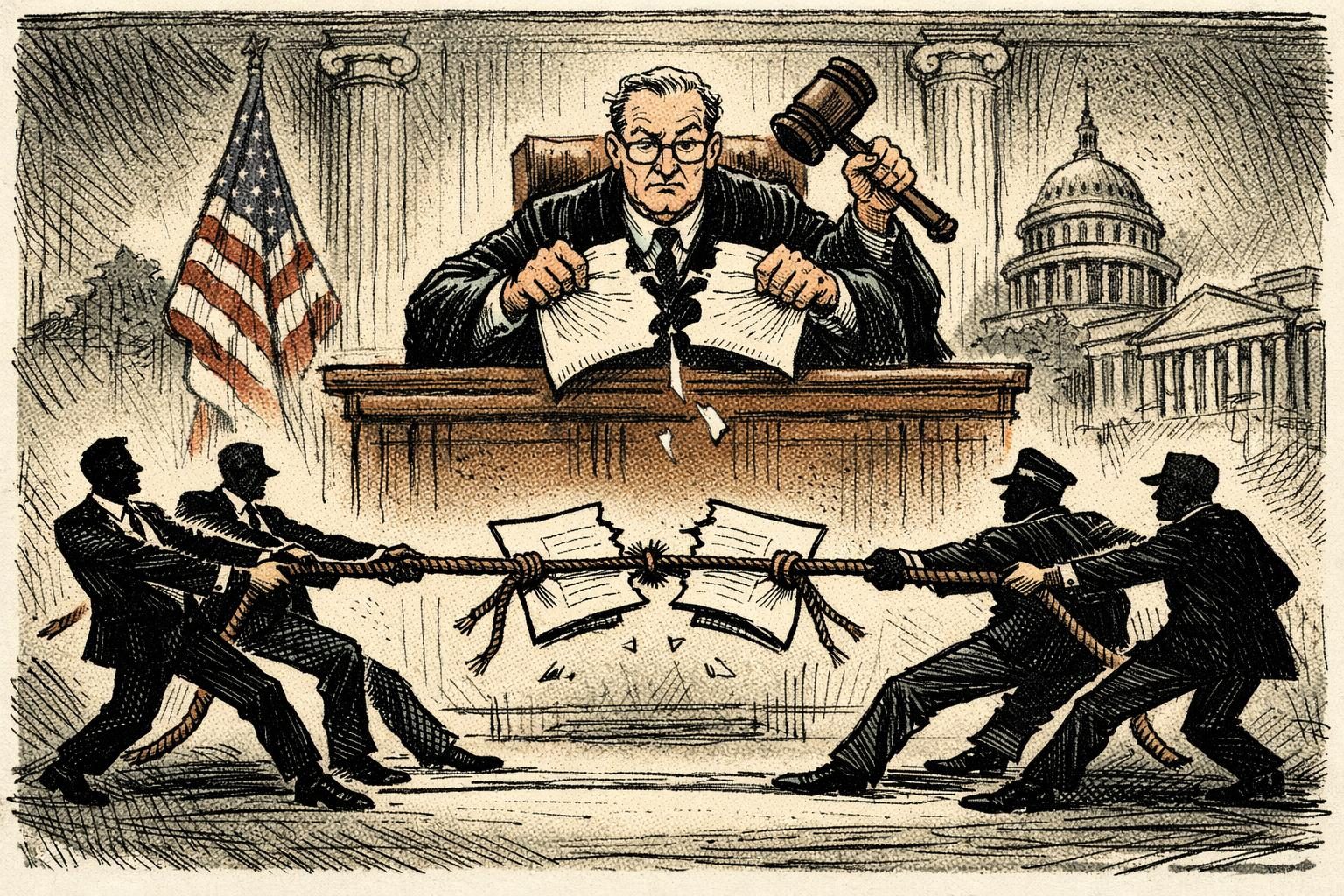
The Court of Federal Claims reissued a public opinion on September 26 in an active government-contract dispute, giving the parties a fresh judicial document in a case that is still very much alive. That kind of move may not sound dramatic on its face, but in procurement litigation, the difference between an opinion sitting in the record and one that has been reissued can matter a great deal. Contract fights often turn on fine distinctions in the court’s reasoning, the exact wording of a holding, or whether the record reflects the court’s most current view of the dispute. When a court posts a reissued opinion, it is signaling that the case posture has changed in a way that is real enough to update the public record. For the companies and agencies involved, that can affect how they litigate next, what arguments they preserve, and whether they continue pressing for relief or defense.
Government procurement cases are often described as technical, but the stakes behind them are usually anything but abstract. These disputes can involve major contracts, large sums of taxpayer money, and the rules that govern how federal agencies choose vendors, justify awards, and respond when losing bidders challenge the process. In that setting, a court ruling is not just a paper exercise. It can determine whether an agency has to revisit its decision, whether a disappointed bidder gets a meaningful remedy, or whether the government’s explanation survives judicial scrutiny. Reissuing an opinion may not mean the underlying facts have changed, but it does mean the court has taken a fresh step in shaping how the case will be understood going forward. That makes the development significant even if it is procedural rather than explosive.
The broader importance of the ruling lies in the opacity of the contracting world itself. Much of federal procurement happens far from public view, inside internal evaluations, sealed filings, and dense administrative records that only become visible when something goes wrong. That makes the Court of Federal Claims one of the few places where outsiders can see a dispute over whether the government followed its own rules, applied its criteria consistently, or tried to defend a shaky decision after the fact. Procurement fights can also expose a more familiar pattern in public administration: agencies often prefer to defend a flawed award rather than concede error, even when the underlying process deserves closer scrutiny. A reissued opinion does not settle every question in a live case, but it can sharpen the legal battlefield by clarifying what the court is actually saying, and by extension what the parties can still argue.
The development is best understood as a moderate but meaningful procedural change in a live dispute, not a sweeping policy event. Still, procedural changes in procurement cases can have substantial effects because they influence how public money is allocated and whether challenged contract actions remain vulnerable to further review. If the opinion alters the current posture of the litigation, it may shape the next round of briefing, settlement leverage, or appellate strategy, depending on how the parties respond. It also serves as another reminder that some of the most consequential government accountability issues never arrive as headline-grabbing scandals. They show up in the fine print of contract law, in the court’s management of a record, and in the quiet decisions that decide who gets paid, who gets shut out, and whether an agency’s explanation can survive contact with the law. In that sense, the reissued opinion is not just a housekeeping note; it is part of the ongoing machinery that determines how the government spends money and how closely it has to answer for doing so.
Comments
Threaded replies, voting, and reports are live. New users still go through screening on their first approved comments.
Log in to comment
No comments yet. Be the first reasonably on-topic person here.