
FBI says its jobs portal was compromised, and employee data may have been exposed
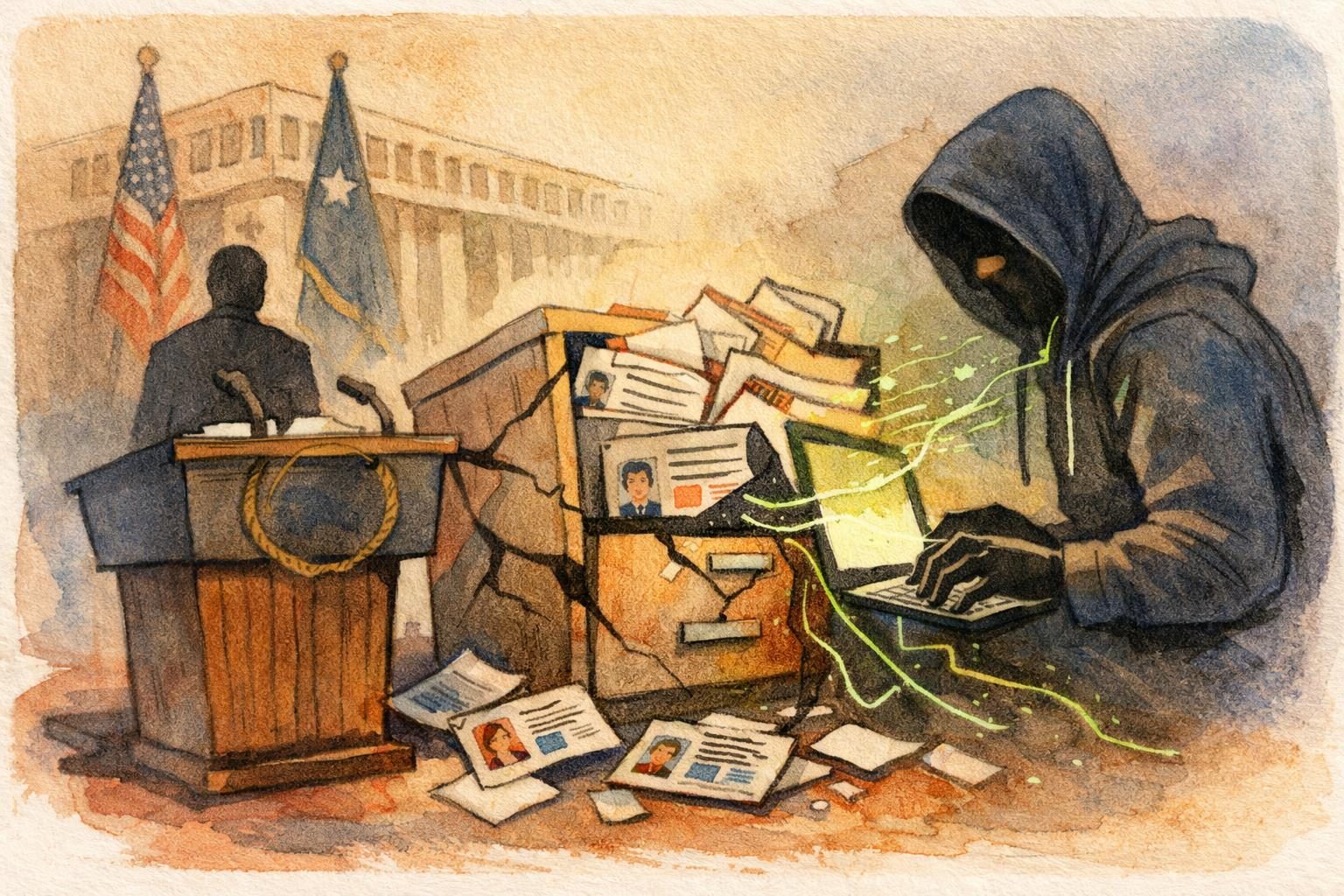
The FBI has acknowledged that its fbijobs.gov hiring portal was compromised, and the bureau says the incident may have exposed personally identifiable information belonging to employees. The disclosure landed on September 26 and immediately raised questions that go well beyond a routine website problem. For an agency whose core identity is built around investigating intrusions, protecting sensitive records, and warning everyone else about cyber hygiene, the idea of its own jobs system being popped is a particularly awkward message to send. It is not just a public-relations headache, either; a compromise touching personnel data can trigger real operational and security concerns inside an organization that handles highly sensitive information for a living. Even with limited details available so far, the bureau’s statement makes clear that this is being treated as more than a minor technical interruption.
The specific risk here is not hard to understand, even if the full scope remains unclear. Employee personally identifiable information can be useful to anyone looking to build convincing phishing messages, impersonate staff, or probe for access into related systems. Depending on what was exposed, a breach like this can also create long-tail identity theft issues, especially if names, contact details, employment records, or other identifying data were accessible to an intruder. In a federal setting, where personnel information often intersects with security clearances, internal communications, and hiring workflows, a compromise can create ripple effects that are much wider than the original portal. The fact that the FBI has not yet publicly spelled out the full extent of exposure leaves open several important questions, including how long the unauthorized access lasted, whether the compromise was confined to the jobs portal, and whether any adjacent systems were also reached. Those are the kinds of details that determine whether a breach is a contained incident or the opening chapter of a messier problem.
There is also a broader institutional embarrassment attached to the disclosure. The bureau spends significant time urging agencies, companies, and individuals to lock down credentials, patch exposed systems, and prepare for the possibility that attackers will go after the easiest target first. When the agency that helps set that standard admits its own hiring portal was compromised, the contradiction is impossible to ignore. That does not mean the FBI is uniquely vulnerable or that the incident is necessarily catastrophic, but it does mean critics are likely to ask whether internal safeguards were sufficient and whether the portal was maintained with the level of scrutiny the public would expect from a federal law-enforcement entity. Any breach involving employee records can also invite speculation about whether attackers were looking for a specific type of information rather than simply causing damage. If the compromise was detected late, that would only sharpen the concern, because dwell time often matters as much as the initial access point when it comes to the eventual harm.
The bureau’s decision to disclose the issue, even without a full accounting, suggests it is aware that opacity will only fuel more scrutiny. Oversight-minded lawmakers, internal watchdogs, and cybersecurity professionals are likely to press for a clearer timeline, a more detailed description of what was exposed, and an explanation of what remediation steps were taken once the compromise was discovered. There will also be obvious interest in whether the vulnerability was unique to fbijobs.gov or indicative of broader weaknesses in the FBI’s digital infrastructure. For now, the case sits in a familiar and uncomfortable category: a government cyber incident that is serious enough to matter, but not yet fully described enough to measure with confidence. That leaves the public with a basic but important takeaway. If a federal agency built around security and threat response can have its hiring portal compromised, then the episode is a reminder that even institutions with strong reputations are still exposed to the same messy digital realities everyone else faces.
Comments
Threaded replies, voting, and reports are live. New users still go through screening on their first approved comments.
Log in to comment
No comments yet. Be the first reasonably on-topic person here.