
White House escalates H-1B crackdown with fraud-and-wage enforcement order
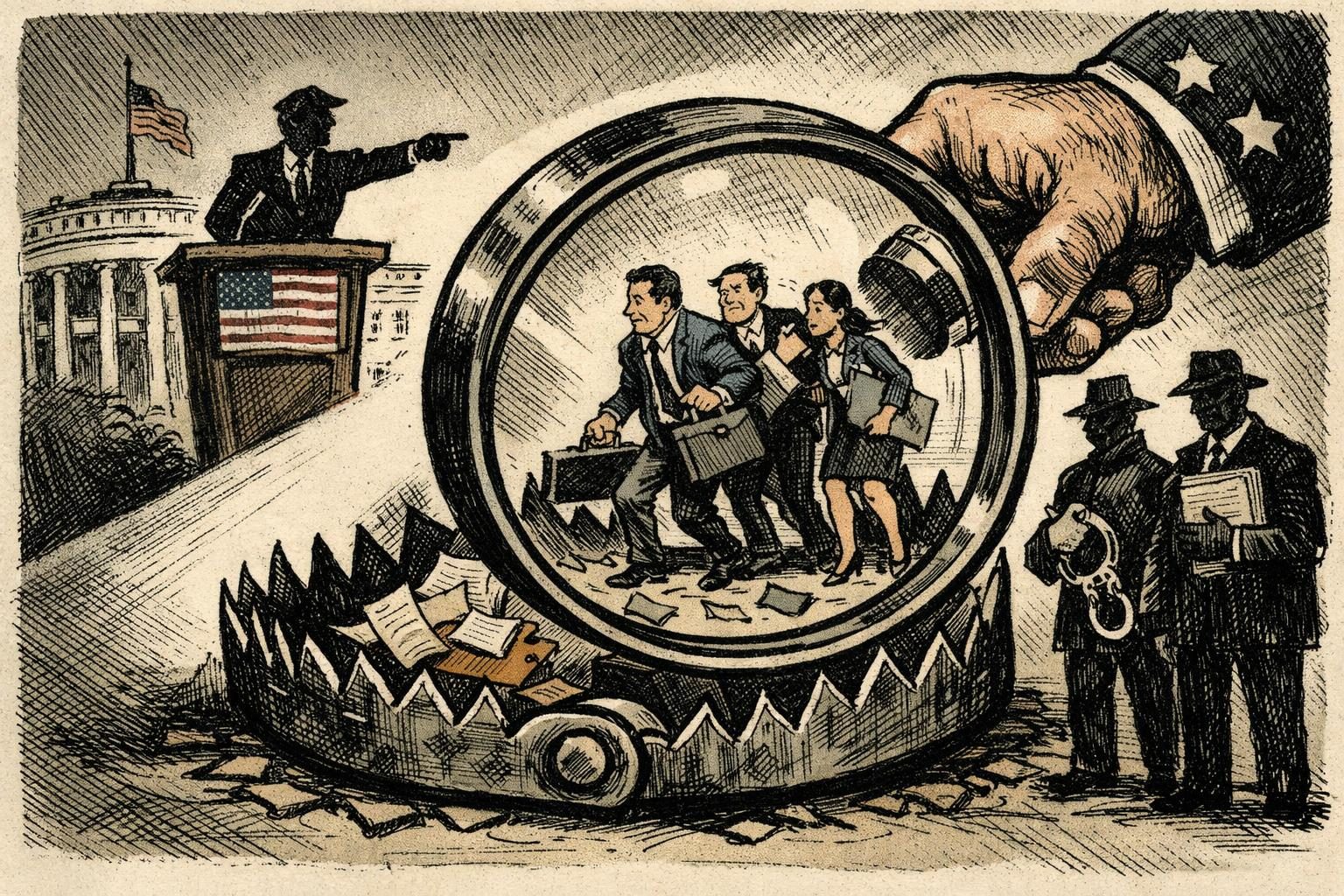
The White House’s latest move on H-1B visas is not just another round of immigration rhetoric. On September 18, the president signed an executive order aimed at tightening oversight of the program, and by September 26 the administration was already pushing agencies toward implementation. The order instructs labor officials to revisit previously filed labor condition application data and to look for additional action against employers that sponsor foreign workers under the visa program. That matters because it turns the administration’s complaints about H-1B abuse into an operational directive, not merely a political message. In practice, it signals that the government wants to treat alleged visa misuse as both an immigration problem and a labor-market enforcement problem. Employers that have long viewed H-1B compliance as a mostly bureaucratic exercise now have reason to expect more scrutiny, more follow-up, and more pressure from multiple parts of the federal government at once.
The order also sharpens the administration’s broader argument that the H-1B system can be used to suppress wages and displace American workers. That claim has been central to the White House’s messaging, and the new directive gives it a formal enforcement framework. According to the administration’s own language, ongoing probes have identified widespread abuse among certain employers, especially where the visa system intersects with outsourcing and staffing models that rely heavily on imported labor. The government has not simply said that some companies are bending the rules; it has framed the issue as a structural problem that may be distorting the labor market. That framing is important because it gives the administration room to justify audits, data reviews, and possible penalties as wage-protection measures rather than just immigration enforcement. Whether that case is ultimately persuasive is a separate question, but the policy posture is clear: the White House wants to put employers on notice that H-1B sponsorship is now being treated as a potential source of labor abuse.
The practical effect is likely to be felt first by companies that depend on large H-1B workforces, especially those with complex staffing chains or heavy reliance on outsourcing firms. A labor-condition filing that once looked routine may now be reexamined for inconsistencies, patterns, or signs that a company’s hiring practices do not match the terms it certified to the government. That can mean more document requests, longer processing times, and more uncertainty for employers trying to plan staffing months in advance. It can also mean additional legal exposure if agencies decide that what had previously been accepted on paper deserves another look under a tougher enforcement lens. For workers, the consequences are harder to predict. Some may welcome tighter oversight if they believe it reduces fraud and undercutting, while others may worry that a more aggressive crackdown will simply make the program harder to use without solving the underlying demand for specialized talent.
The political calculation here is obvious, but the administrative machinery is what makes the order consequential. The White House is presenting the issue as one of fairness, wage protection, and accountability for employers who may have exploited a visa program that was never supposed to be a loophole around domestic labor standards. Critics are likely to argue that the administration is dressing up a restrictionist agenda in enforcement language and using agency review powers to make H-1B sponsorship more cumbersome by design. Supporters will answer that the federal government has been too passive for too long and that serious enforcement was overdue. Both views can be true in part, which is why the order carries real weight even before any major penalties are announced. The fight over H-1B is no longer confined to campaign speeches, press releases, or vague promises to protect American workers. It is moving into the day-to-day mechanics of agency review, interagency coordination, and possible enforcement actions, where paperwork becomes pressure and pressure becomes policy.
Comments
Threaded replies, voting, and reports are live. New users still go through screening on their first approved comments.
Log in to comment
No comments yet. Be the first reasonably on-topic person here.