
ICE quietly made detained people harder to find
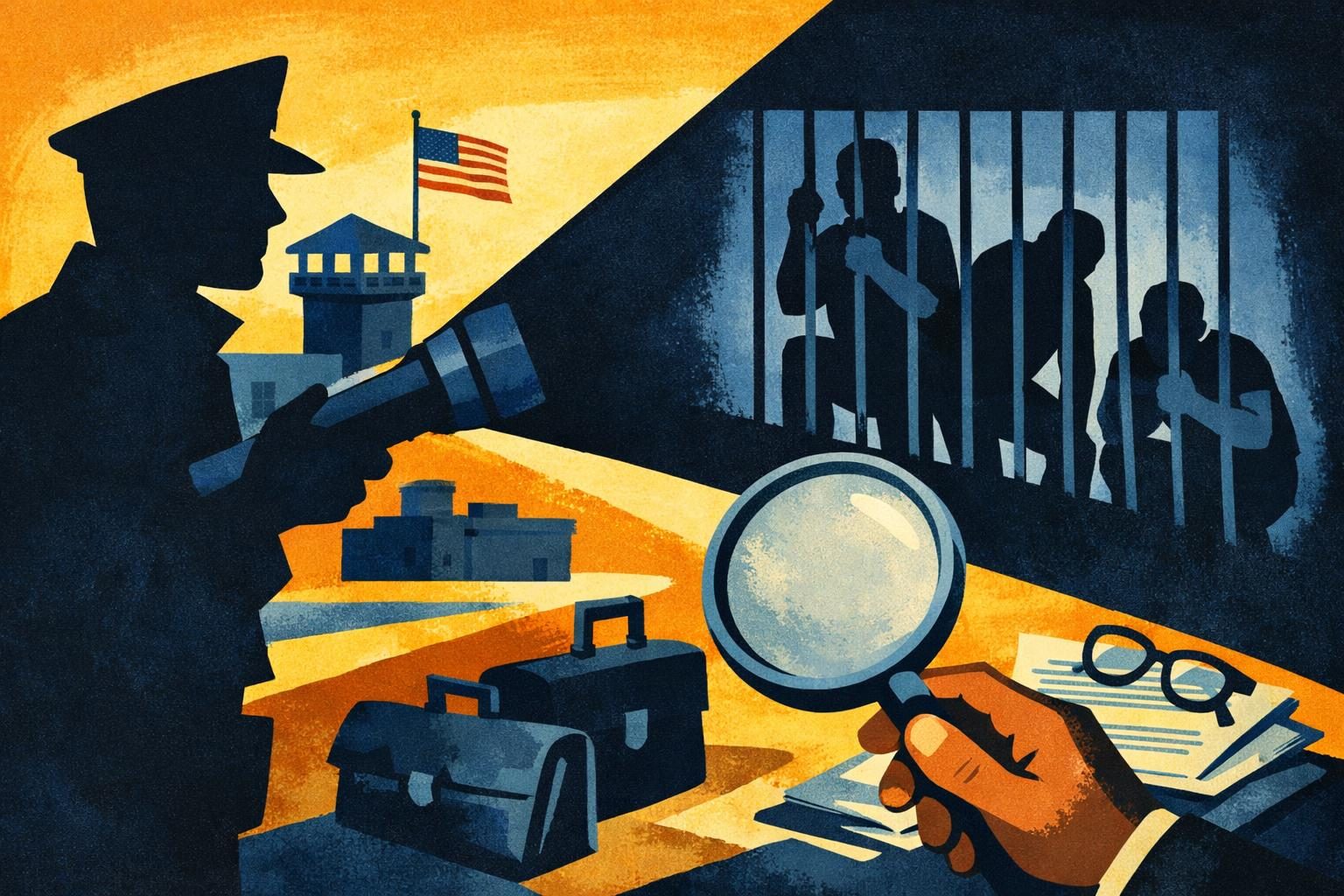
ICE has quietly made it harder to find thousands of people it is detaining, and lawyers say the change could make a very old government problem even worse: once the system decides a person is ready to be removed, everything around that person seems to speed up and narrow down at the same time. The agency stopped showing some detainees with final removal orders in its online locator on September 15, according to the report and the locator system itself. For families trying to figure out where a loved one has been taken, that means the public-facing trail may suddenly go cold. For attorneys, it means the window to file motions, confirm a transfer, or even simply speak to a client can shrink fast. And for the government, it creates a system in which fewer people can tell where a detainee is being held at exactly the moment the law is supposed to be working on that person’s behalf, or against them, depending on the case.
The change matters because detention and deportation are already built around urgency, confusion, and a lot of administrative friction. A person who has received a final order of removal is generally closer to deportation than someone still fighting an immigration case, which makes timing critical and raises the stakes of any hidden move between facilities. If someone cannot be found in the locator, relatives may not know whether the person is still in a nearby county jail, at a federal detention center, or already on a plane headed out of the country. Lawyers say that uncertainty can be enough to wipe out practical options, because a court challenge that might have been filed in time can become impossible once the person is moved or removed. The result is not just inconvenience; it is a procedural choke point that can cut off legal help before it has a chance to matter. In a system where deadlines are unforgiving and access often depends on fast communication, making people harder to find can have the same effect as making them disappear.
That is why critics see the locator change as more than an internal website adjustment. They argue it looks like a policy that strengthens enforcement by weakening outside oversight, even if that is not the agency’s stated intent. The American Immigration Lawyers Association warned members about the problem, reflecting the concern that attorneys could no longer rely on the locator as a consistent tool for finding clients and checking custody status. Former and current officials, according to the report, described the move as a notable departure from previous practice, which suggests the old system at least gave the public a broader view of who was being held and where. ICE has not publicly explained the shift in a clear, direct way, and that silence has only increased suspicion that the change was deliberate rather than accidental. When an agency that controls a massive detention network quietly narrows access to basic custody information, it invites the obvious question of whether transparency is being treated as a burden instead of a safeguard.
The practical fallout is already easy to understand even if it is harder to quantify. Families cannot track relatives with the same reliability they once could, attorneys lose a key point of contact, and advocates lose one more way to confirm whether a government action is happening in the open or in the dark. The report says the practice applies to people with final orders, which are precisely the cases where removal can happen quickly and where legal intervention may be most urgently needed. That creates a perverse outcome: the more vulnerable someone is to being processed out, the less visible they may become to the people trying to help them. It also raises basic questions about accountability, including whether detainees are being moved in ways that comply with court orders, local detention rules, or ordinary notice requirements. None of those concerns are abstract, and none of them are answered by a locator page that suddenly shows less than it used to. In the end, the issue is not just that people are harder to track. It is that the government has made the path to finding them narrower at the exact point when a legal system is supposed to be widest open.
Comments
Threaded replies, voting, and reports are live. New users still go through screening on their first approved comments.
Log in to comment
No comments yet. Be the first reasonably on-topic person here.