
Newsom signs LGBTQ privacy package aimed at federal targeting fears
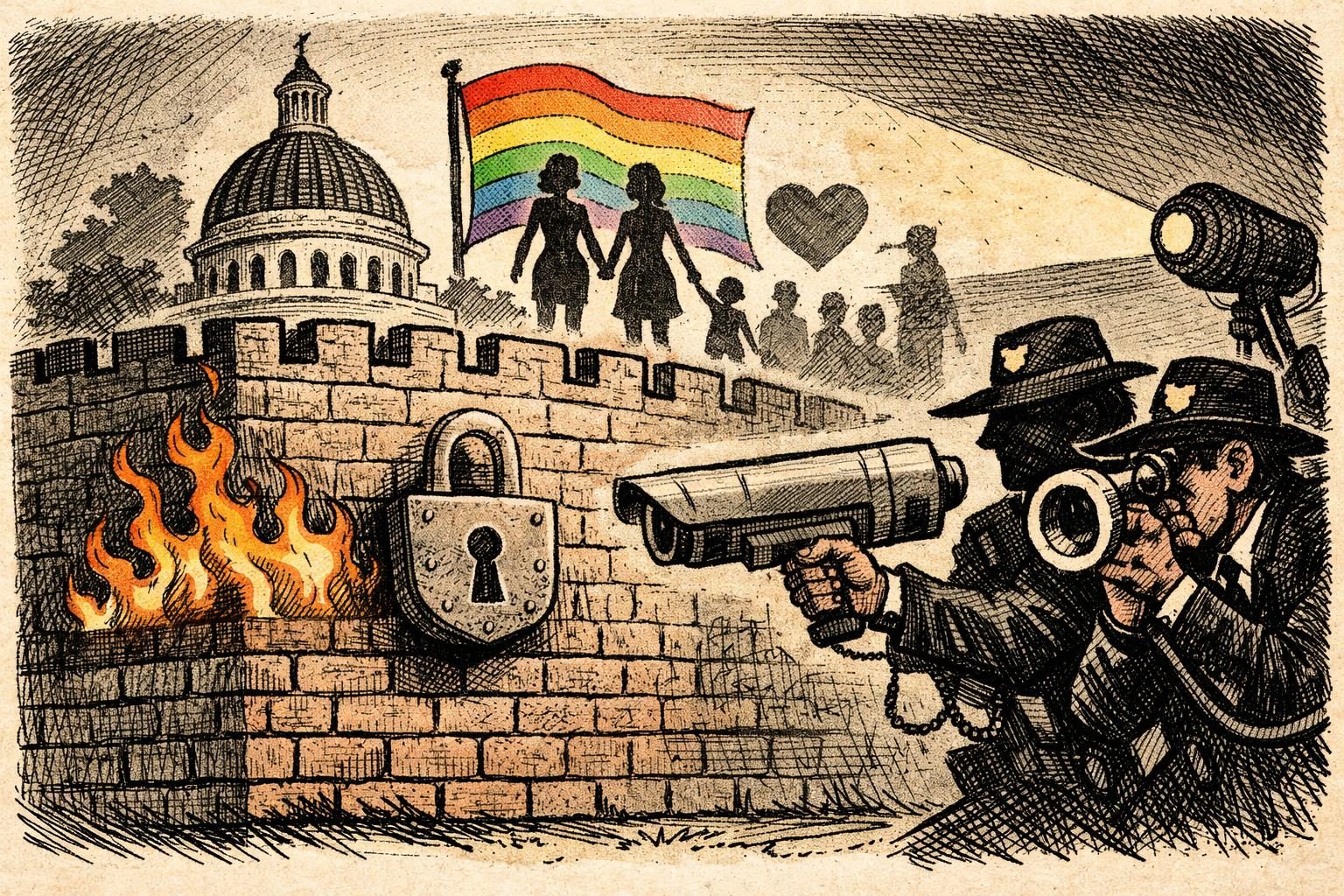
Governor Gavin Newsom signed a six-bill package on Sept. 26 that California officials say is meant to shield LGBTQ residents from privacy abuses and make it harder for state and local systems to be used against them. The measures tighten protections around sensitive health information and expand the state’s ability to respond when subpoenas seek protected records. In practical terms, the package gives California more tools to resist disclosure demands that could expose a person’s sexual orientation, gender identity, or related medical history. Newsom’s office framed the legislation as a response to what it described as recent federal targeting of LGBTQ people, including the use of medical records to identify servicemembers and civilians. That framing matters because it turns the package into more than a standard privacy update. It is a declaration that the state believes the threat environment has changed enough to justify a more defensive posture.
The core political idea behind the package is easy to understand even if the legal details are not. California is trying to create a kind of privacy firewall around information that can be weaponized once it leaves a doctor’s office, a hospital system, or a state agency. The state attorney general’s newly emphasized role in subpoena disputes is central to that effort, because it suggests California wants a stronger, more coordinated response when outside actors seek protected health data. That is not a small procedural tweak. It is an acknowledgment that records once treated as routine paperwork can become dangerous in an era when governments and agencies are willing to sort people by identity and then act on it. The policy also reflects an increasingly common assumption among Democratic-led states: if Washington is capable of hostile enforcement, then states need to behave less like passive administrators and more like civil-rights backstops. In other words, California is building a legal shelter because it expects the weather to get worse.
The package lands at a moment when privacy and identity politics are colliding in especially uncomfortable ways. For LGBTQ people, the concern is not abstract. Medical records, insurance files, school documents, and government databases can all reveal deeply personal details that may be harmless in ordinary life but perilous when federal or state power is used selectively. The governor’s office pointed directly to recent targeting as the reason for the legislation, which suggests the fear is not just about data leaks but about intentional exposure. That distinction matters because privacy laws are usually written to stop negligence, fraud, or bureaucratic overreach. Here, the premise is more serious: the state is trying to stop information from becoming a tool of discrimination or political retaliation. Whether every fear behind the package will prove justified is impossible to know from the outside, but the legislative response itself is telling. California is no longer acting as though basic confidentiality rules are enough to protect vulnerable residents from an administration or bureaucracy that may be willing to use records aggressively.
There is also a broader institutional story underneath the headlines. When a large state like California enacts a package this explicitly tied to federal targeting fears, it signals a deeper loss of trust in national protections and a rising belief that states must provide their own cover. That trend is not limited to LGBTQ policy, but this package makes it especially visible because it treats privacy as a frontline civil-rights issue rather than a narrow administrative concern. The legislation suggests California officials expect future conflicts over subpoenas, health records, and identity-based enforcement to be common enough that they want standing rules in place before the next crisis hits. That is a sober, defensive way to govern, and it says a great deal about the current political climate. States are not supposed to act like refuge jurisdictions from their own federal government. When they start doing so, it is usually because the ordinary guarantees no longer feel dependable. California’s move does not resolve that problem, but it does reveal how seriously some state leaders are taking it.
Comments
Threaded replies, voting, and reports are live. New users still go through screening on their first approved comments.
Log in to comment
No comments yet. Be the first reasonably on-topic person here.