
New York sues Trump administration over offshore wind deals it says were illegally sabotaged
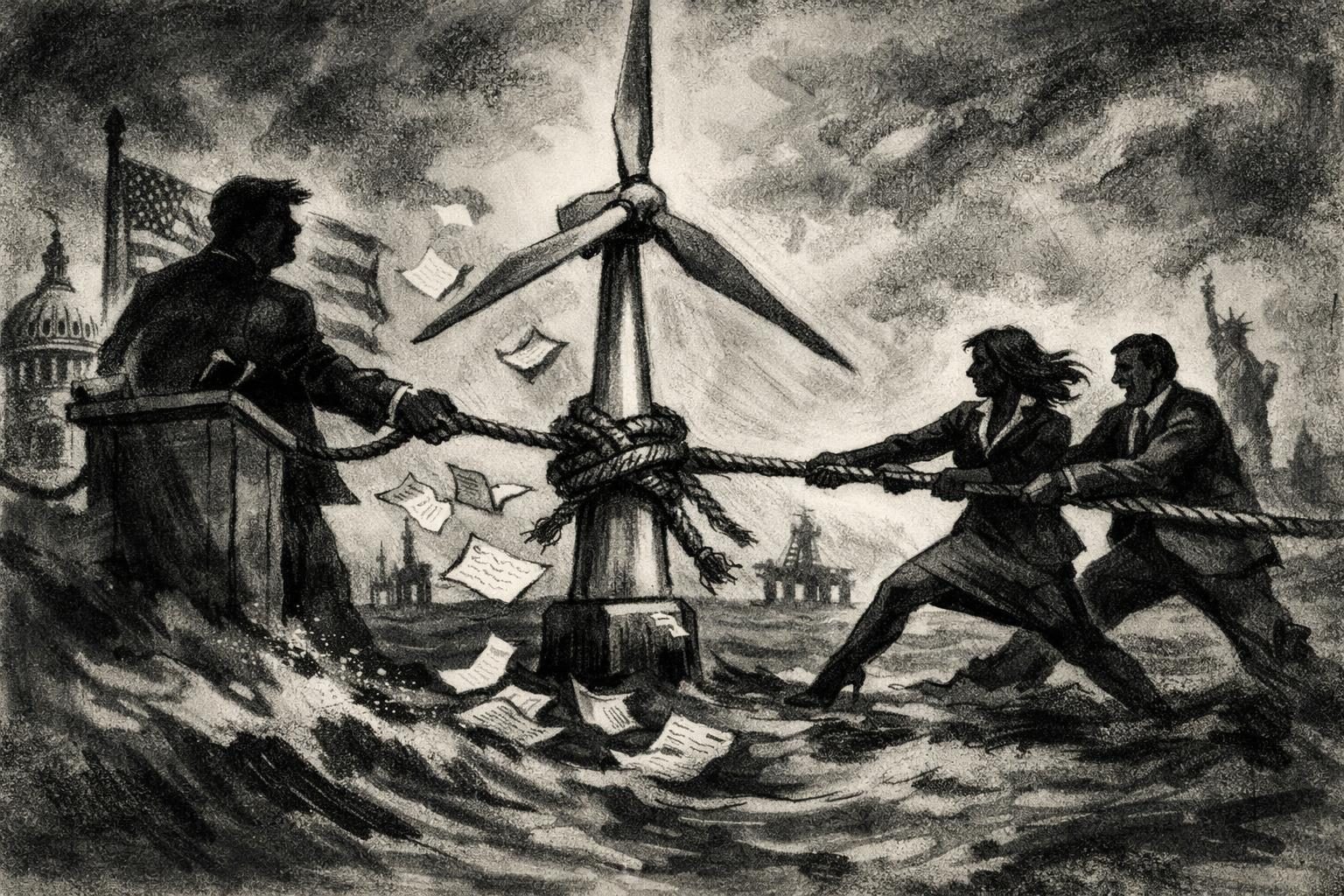
New York’s latest legal move against the Trump administration turns the fight over offshore wind into something far bigger than a policy disagreement. On September 26, the state’s attorney general and governor moved to challenge what they describe as unlawful federal interference with offshore wind deals, arguing that Washington has gone beyond ordinary oversight and crossed into sabotage. The dispute centers on agreements and investment tied to the industry, and state officials are signaling that they believe those arrangements were not just inconvenienced, but deliberately undermined. That makes the case more than another angry press release in a long-running energy war. It becomes a direct test of how much room states still have to pursue large-scale clean-energy development when federal officials are openly hostile to it.
For New York, the practical stakes are immediate. Offshore wind has been folded into long-term planning for power supply, transmission, labor, and industrial development, and state leaders have treated it as a cornerstone of their broader energy transition. That makes any federal action that slows, destabilizes, or scares off financing especially consequential, because these projects depend on years of coordination and huge upfront commitments. If the administration’s actions are allowed to stand, the state argues, the damage will not be limited to one set of contracts or one developer’s timeline. It could ripple through permitting, construction schedules, hiring, and the economics of building a cleaner grid at all. That is why the state is presenting the case as a defense not just of a single industry, but of its ability to execute policy choices it has already made.
The White House, by contrast, appears to be using the full weight of federal power to slow the sector down, or at least create enough uncertainty that investment becomes harder to defend. Critics of the administration say that is the point: if agencies can produce enough delays, obstacles, and ambiguity, they can chill the market without having to formally declare a war on renewables. Supporters of the administration will almost certainly describe the lawsuit as overblown and politically motivated, another complaint from a blue state that wants federal government support when it is convenient and resistance when it is not. But that argument does not resolve the central legal question, which is whether the administration’s conduct counts as ordinary regulatory action or something closer to improper interference with approved projects. If courts conclude that the federal government acted outside its authority, that could create a meaningful check on efforts to use bureaucracy as a blunt instrument against clean-energy development. If they do not, the administration may have found a durable way to inject uncertainty into one of the most expensive parts of the energy transition.
The case also matters because it reflects how quickly the climate fight has shifted from policy language to litigation. What used to be framed as a philosophical disagreement about energy sources now looks like an all-out contest over who gets to control the pace and direction of infrastructure buildout. New York is not acting alone in that broader struggle; the state’s move fits into a larger pattern in which blue-state attorneys general are increasingly treating federal energy policy as something to challenge in court rather than simply denounce in public. That is a sign of how little trust remains between state leaders and the administration on climate and renewable energy. It is also a sign that states with money, permits, and political backing already committed to offshore wind are not willing to let those investments be undone without a fight. Whether this lawsuit becomes a model for other states or a dead end will depend on the courts, but either outcome will matter. If New York prevails, other states may see a pathway to defend climate infrastructure from federal obstruction dressed up as administration. If it loses, the Trump administration will have another example of how far it can go in freezing clean-energy projects by slowing them just enough to make them fragile.
Comments
Threaded replies, voting, and reports are live. New users still go through screening on their first approved comments.
Log in to comment
No comments yet. Be the first reasonably on-topic person here.