
SEC files fresh fraud case over alleged trucking Ponzi scheme
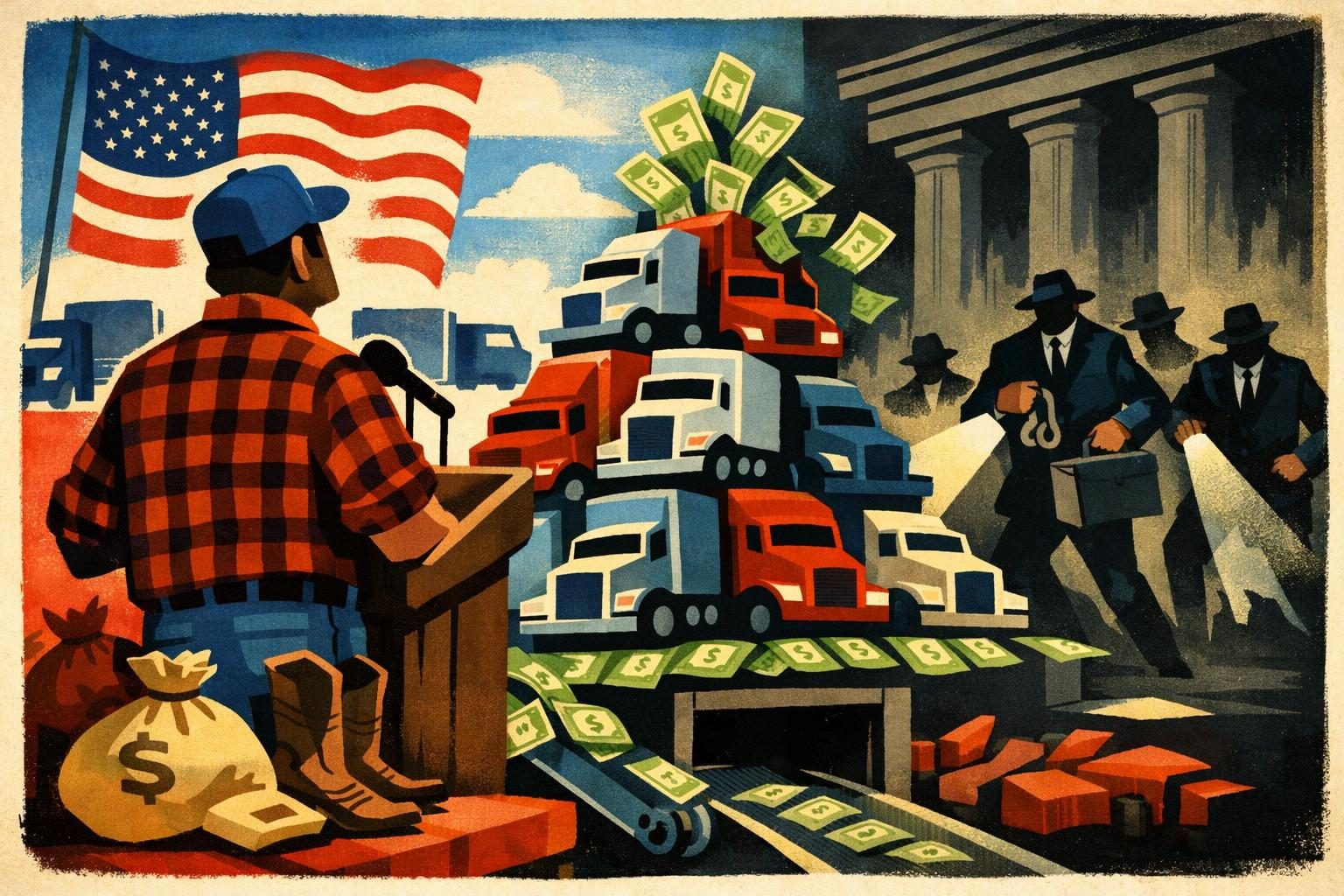
The Securities and Exchange Commission has brought a fresh enforcement action over what federal regulators describe as a sprawling truck-leasing investment fraud that pulled in at least $127 million from roughly 765 investors across the country. In a settled civil case filed Sept. 24, the agency accused Kristopher A. Lunsford, AKL Transport LLC, and Southern Truck Leasing LLC of operating an investment scheme dressed up as a straightforward transportation business. According to the SEC, investors were told they could put money into a supposedly hands-off trucking operation and receive steady income while someone else handled the work of buying, leasing, dispatching, and maintaining the vehicles. The commission says the pitch was built around claims about trucks, drivers, cargo, insurance, and upkeep, all wrapped into a simple story that sounded like a practical way to earn passive returns. Federal prosecutors announced a related criminal case the following day, signaling that investigators view the matter as more than a civil compliance dispute and more like a classic fraud case with a very large check attached.
The SEC’s complaint says Lunsford misappropriated about $33 million for personal use, a figure that puts the alleged misconduct well beyond the level of sloppy bookkeeping or business failure. The agency’s theory is that the operation depended on a constant stream of new investor money to keep the whole thing moving, while the underlying promises became harder to sustain as time went on. That is the familiar shape of a Ponzi-style setup, even if the civil complaint and the criminal case will still have to be tested through whatever factual record emerges next. Investors were allegedly drawn in by a pitch that leaned on hard assets and plainspoken business language, the kind of sales strategy that can seem safe precisely because it sounds unglamorous. The trouble, as regulators now describe it, is that a fleet of trucks can make a fraud look respectable right up until the numbers stop working. When that happens, the veneer of blue-collar practicality does not matter much; the money trail usually tells a more embarrassing story.
What makes this case politically and socially combustible is not just the size of the alleged loss but the target audience the pitch appears to have reached. These were not hedge-fund managers or speculative traders chasing exotic instruments on a screen. The complaint suggests the scheme was sold to ordinary people who were told they could back a tangible business and collect income without having to run a trucking company themselves. That formula is one of the oldest sales hooks in American fraud: promise a real asset, promise a dependable operator, and promise returns that seem to come from the economy rather than from the next round of recruits. It works because it sounds responsible, especially in a moment when investment marketing is often saturated with language about entrepreneurship, independence, and “building something real.” The darker lesson here is that fraudsters do not always need sophistication; they need a believable story, enough time, and a crowd that wants to believe in steady cash flow. If the SEC’s allegations are borne out, this was not just a bad investment. It was a carefully packaged confidence game using the prestige of trucking and the appeal of passive income to hide the risk of collapse.
The government’s response also shows how aggressively enforcement officials are willing to stack civil and criminal pressure when they believe a scheme is large, organized, and shameless enough to justify both. A settled civil action can freeze a defendant’s room to maneuver, preserve assets, and make public the contours of the alleged conduct without waiting years for a full trial. A criminal case, by contrast, raises the stakes in a far more personal way and can force a much wider paper trail into the open. That combination is usually bad news for defendants, especially when regulators think the business was built on inflated claims and diverted investor money rather than legitimate operations. The immediate fallout is already predictable: reputational damage, legal costs, scrutiny of sales practices, and a likely effort by prosecutors to trace where the money went and who knew what, when. For everyone else, the case is another reminder that American fraud has an uncanny talent for borrowing the costume of honest work. The scheme may have been sold as trucking, but the broader story is the same old one: a glossy promise of stability, a trail of missing money, and a government now trying to untangle a deal that never should have passed the smell test in the first place.
Comments
Threaded replies, voting, and reports are live. New users still go through screening on their first approved comments.
Log in to comment
No comments yet. Be the first reasonably on-topic person here.