
White House keeps escalating its media ban after a judge told it to back off
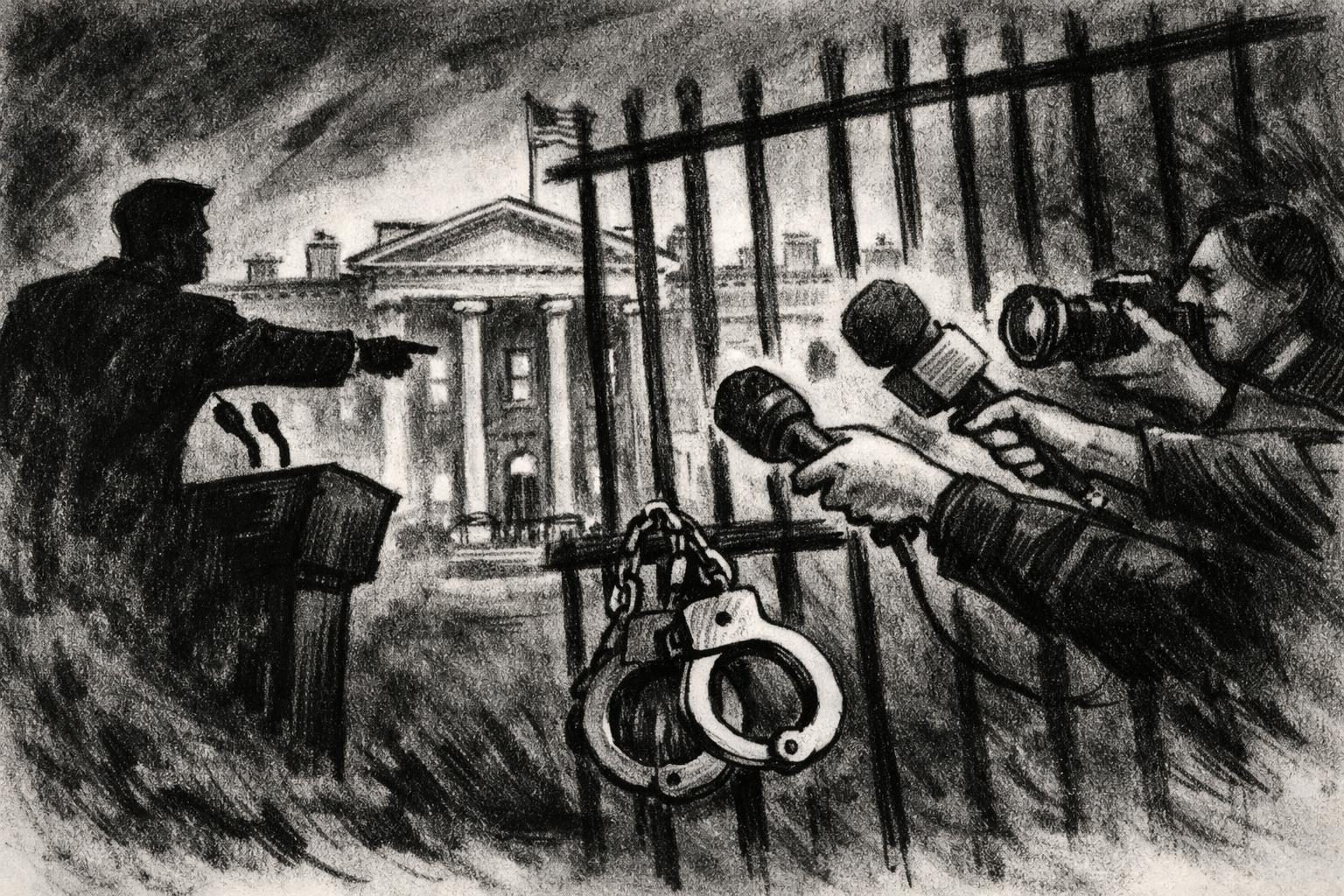
The White House appears to be digging in rather than stepping back after a federal judge ordered it to restore access for several news organizations. On September 26, the administration signaled that one of the excluded outlets would still be left off Air Force One for President Donald Trump’s upcoming trip, even though the court had already told the government to back off and let CNN, MS NOW, and Politico regain access to White House grounds. The timing matters because the new move came just one day after emergency relief was granted in the outlets’ lawsuit over their removal. Instead of treating the ruling as a pause button, the White House seems to be testing how much room it has left to maneuver. That keeps the underlying dispute alive and suggests the fight over press access is not cooling down. It is becoming a broader confrontation over how much control the administration can exert over who gets to cover the presidency up close.
The immediate issue is straightforward: access. Air Force One is not just a plane ride; it is one of the most visible and valuable ways to cover a president, and being excluded from it can sharply limit reporting opportunities. The White House’s latest signal, that CNN would remain off the aircraft for the upcoming trip, reads like more than a logistical decision after a court order on access had already been issued. It suggests the administration is prepared to keep pressing its case in practical ways even while a judge has told it that the earlier ban cannot stand. That sets up a strange two-track reality in which a federal court has intervened, but the executive branch is still acting as though it can control the terms of coverage on the ground. For the press corps, that means the battle is not simply about who gets a seat on a flight. It is about whether a court ruling can actually force the White House to stop punishing outlets it does not want nearby.
The broader significance lies in what this says about the state of the First Amendment fight around the White House. A judge’s order restoring access for CNN, MS NOW, and Politico was supposed to mark a reset, or at least a temporary limit on the administration’s ability to exclude reporters. Instead, the White House’s next move points in the opposite direction, hinting that the dispute is likely to keep generating new flashpoints rather than settling into compliance. That is why this episode feels larger than a single credentialing dispute. It is about the administration’s willingness to use access as leverage and about how aggressively it will continue to challenge the boundaries set by the court. The White House may believe it has legal room left to argue over specific assignments, trips, or forms of coverage. But from the outside, the pattern looks like retaliation or at least the appearance of it, especially when the action comes immediately after a judge has already ruled against the government’s earlier restrictions.
For journalists covering the presidency, the stakes are practical as well as symbolic. Exclusion from core access points can make it harder to question officials, observe events firsthand, and verify what is happening around the president in real time. If the administration can keep carving out exceptions after an injunction, it may be able to preserve some of the pressure it wanted to impose in the first place even if the formal ban has been blocked. That is what makes the moment so fraught: the court decision did not end the conflict, and the White House’s response suggests it may not have intended it to. Whether the administration is simply complying narrowly while preserving its preferred arrangements or deliberately pushing the edges of the ruling, the result is the same for the news organizations involved. They are still fighting to regain access, and the White House is still acting like access is something it can grant or withhold according to its own political preferences. In that sense, the case has moved beyond one ban and one injunction. It has become a test of whether the White House will accept any meaningful limit on its ability to punish the press when coverage turns unfavorable.
Comments
Threaded replies, voting, and reports are live. New users still go through screening on their first approved comments.
Log in to comment
No comments yet. Be the first reasonably on-topic person here.