
California tries to slam the door on official meme-coin grift
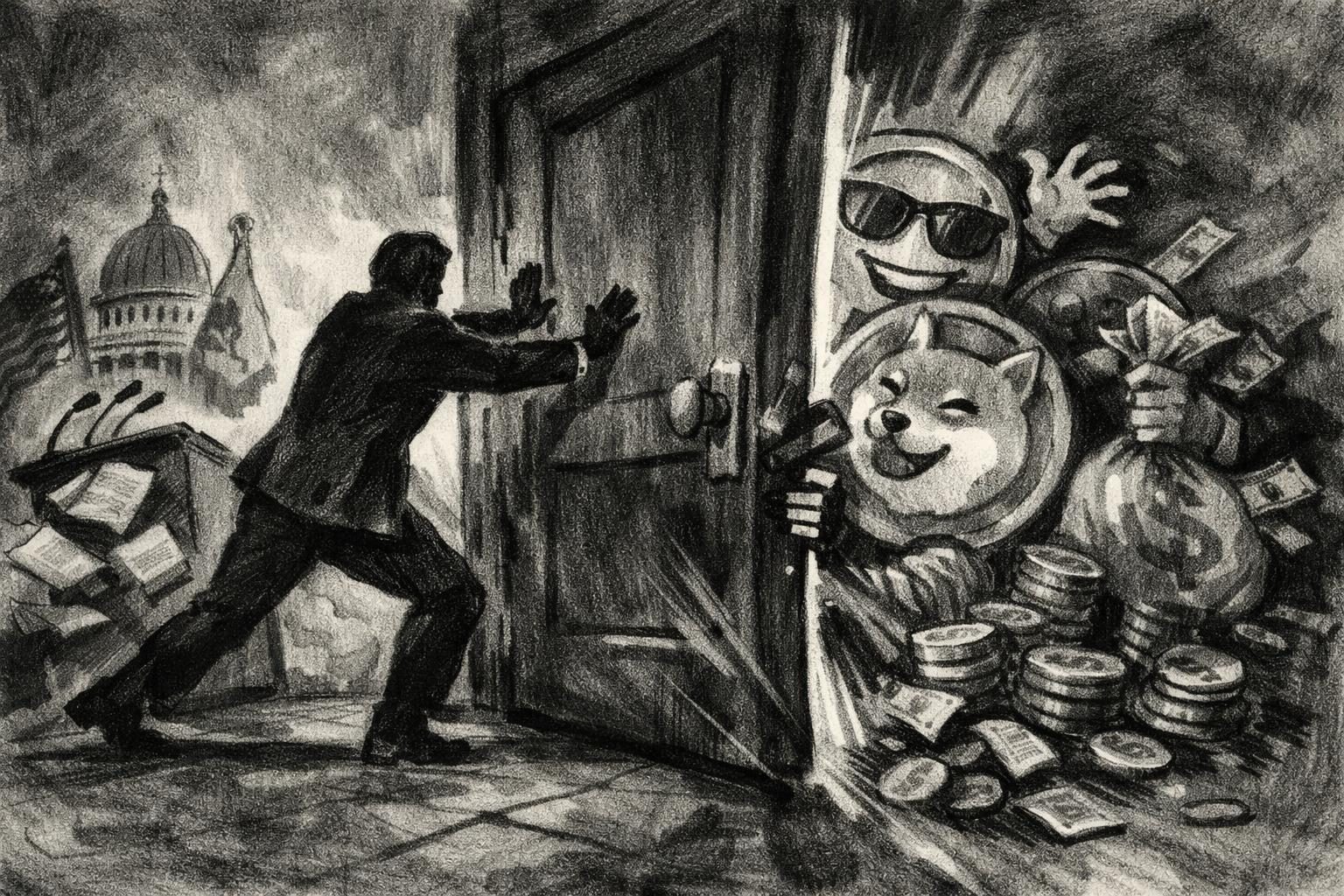
California Governor Gavin Newsom on September 27 signed a package of anti-corruption bills that takes aim at a very modern form of political sleaze: the temptation for public officials to turn their office into a crypto side hustle. Among the measures is a ban on officials issuing meme coins, alongside new consumer and fraud protections designed to make it harder for people in power to convert public trust into private gain. The move was pitched not as some abstract ethics exercise, but as a direct response to a culture of self-dealing that increasingly treats hype, speculation, and online noise as a business model. That alone makes the signing noteworthy, because it is rare to see a state government address the intersection of political corruption and crypto-adjacent absurdity with this much force. The practical details will matter more than the slogans, but the basic act is clear: California has put a set of restraints on the books, and it did so with the explicit aim of making public office less profitable for people looking to cash in. In a political era that often rewards shamelessness, even that much is a form of resistance.
The central target of the legislation is easy to understand. Meme coins are not just another digital curiosity; in the wrong hands, they can become instruments for leveraging celebrity, office, and attention into fast-moving speculation with little accountability. A public official who can wave that kind of asset around is not merely participating in the market, but potentially laundering political influence through a tokenized gimmick that exists because people still mistake viral energy for legitimacy. California’s new rules are meant to interrupt that logic before it hardens into an accepted norm. Newsom framed the package as part of a broader effort to crack down on corruption and protect consumers, which is the right place to start if the state wants to avoid turning ethics law into a punchline. The broader point is that public power should not be used as seed capital for personal enrichment, whether the enrichment comes in cash, favors, or digital tokens with cartoon branding. It is a low bar, but one that contemporary politics keeps finding ways to duck.
There is also a larger political signal embedded in the signing. California is using its enormous regulatory footprint to draw a line against the monetization of office, and that matters because so much of the national political ecosystem now runs on monetized outrage, permanent fundraising, and a willingness to blur the line between governance and grift. The state is not pretending that one bill package will solve corruption, and it does not need to. What it can do is set a marker that says officeholders are not entitled to build personal crypto brands on the side while pretending to serve the public. That is especially relevant in a moment when the online political economy rewards whoever can turn attention into cash as quickly as possible, regardless of whether the underlying product is useful, ethical, or real. Newsom’s office also made clear that the package was meant to stand in contrast to the corruption culture the governor associates with Donald Trump and the broader right-wing digital swamp. That framing is obviously political, and it is supposed to be. But beneath the jab is a concrete governing claim: public institutions still have the capacity to impose limits, even on the fantasy that everything can be tokenized.
Whether this becomes a meaningful guardrail or just another neatly packaged gesture will depend on enforcement, definitions, and whether the law has enough bite to make violations painful. California has the legal and administrative heft to make a rule like this more than symbolic, which is exactly why the move matters beyond state lines. If the state can show that officials cannot openly wrap themselves in meme-coin nonsense without consequences, other jurisdictions may feel pressure to follow suit. If not, the stunt economy will keep finding new disguises, and the line between public service and personal extraction will continue to erode. The signing does not end the corruption problem, and it certainly does not clean up the political culture that produced the problem in the first place. But it does establish a clearer standard at a moment when standards are in short supply. In that sense, California’s message is almost quaintly old-fashioned: public office is supposed to be a responsibility, not a speculative asset. The fact that this has to be stated so explicitly tells you almost everything about the era we are in.
Comments
Threaded replies, voting, and reports are live. New users still go through screening on their first approved comments.
Log in to comment
No comments yet. Be the first reasonably on-topic person here.