
Supreme Court’s SAVE ruling hands the White House a fresh election weapon
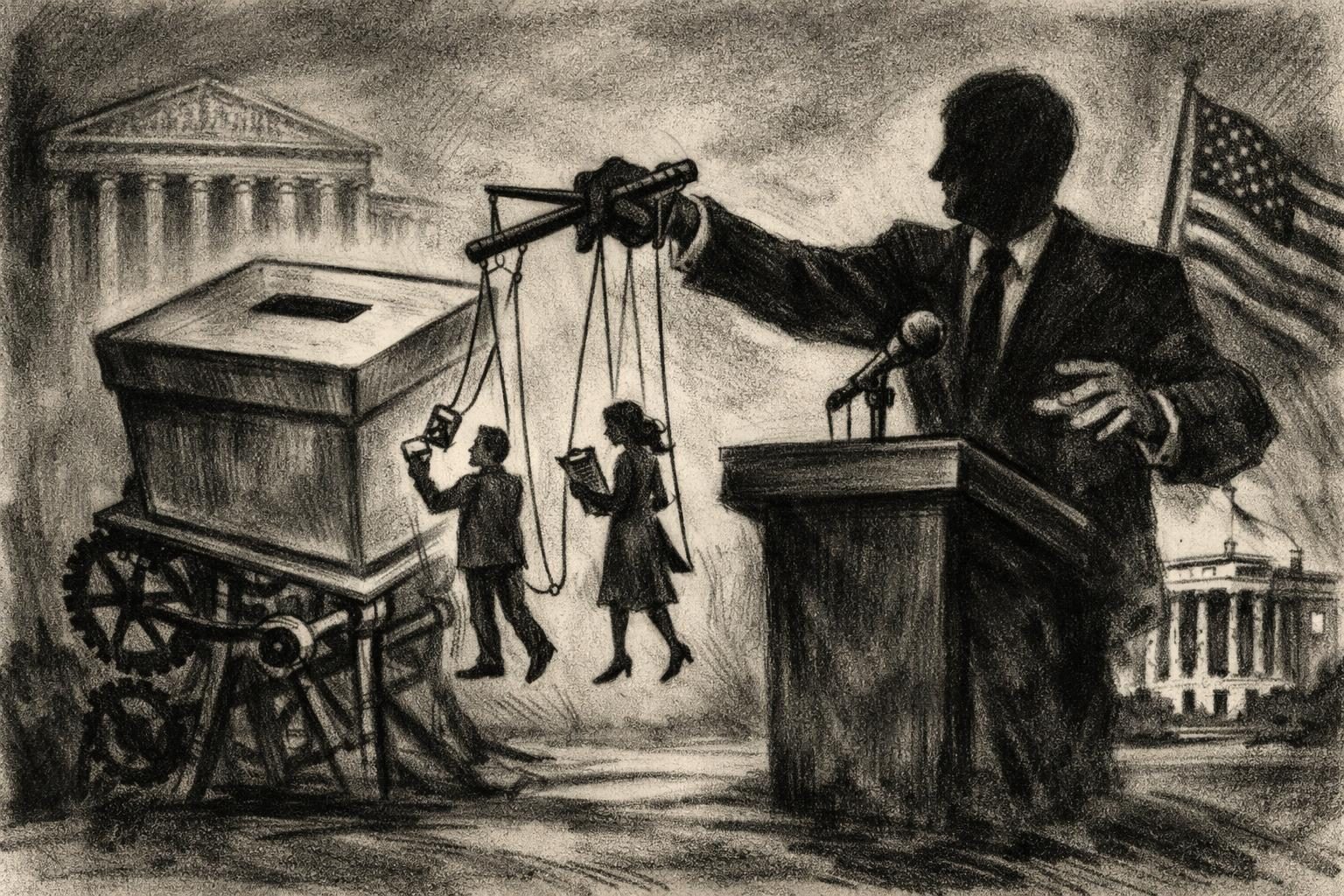
The Supreme Court’s latest order over the federal SAVE database has handed the Trump administration a fresh opening in one of the most politically charged fights of the 2026 election cycle: who gets to decide whether a voter is eligible, and how aggressively that decision can be enforced. On September 27, the justices allowed the administration to move ahead, for now, with an expanded use of SAVE that could affect voter-eligibility checks, even as the underlying legal dispute continues. The decision does not settle the bigger question, but it does give the White House room to keep pressing states on election administration through a federal system that was built for identity verification and immigration-related records checks, not as an all-purpose voter policing tool. That matters because the argument is not only about technical access to data. It is about whether a presidential administration can use a federal database to shape the way states handle their rolls and, by extension, shape the political atmosphere around the election itself. In a year already marked by anxiety over election integrity claims, the ruling functions less like a narrow procedural step and more like a signal that the administration has another lever to pull.
California’s top election official quickly said the ruling would not change the state’s election procedures, which is the kind of reassurance local officials now have to issue whenever a federal fight spills into voting administration. But the practical significance of the order goes beyond any one state’s immediate operations. Even if the ruling is provisional, it gives the administration added momentum to argue that it can and should use SAVE more broadly in voter-verification efforts, an approach critics say is designed to intimidate as much as it is to administer. That is why states and voting-rights advocates have been fighting these efforts so intensely in court. They see a system that can be used to generate suspicion around voter eligibility, even when the number of actual ineligible voters is tiny compared with the scale of the electorate. Once that suspicion is injected into the process, election officials are the ones left to absorb the fallout, answer panicked calls, and explain repeatedly that a database match does not automatically mean a voter is illegal or improperly registered. The Court’s order may be limited in legal effect, but politically it creates the impression that the White House has judicial backing to keep pushing.
The deeper conflict here is over whether the federal executive is trying to turn ordinary administrative data into a political weapon. Supporters of the administration will argue that the government has every right to verify eligibility and to use available information to make sure voter rolls are accurate. That position is not inherently unreasonable; election systems do need maintenance, and states regularly compare records, remove outdated entries, and investigate inconsistencies. The problem is the scope and the manner of the push. When a federal database that is closely associated with immigration enforcement is used in a voter-eligibility context, it inevitably raises alarms about whether the goal is genuine accuracy or something broader: creating a public narrative that the system is riddled with fraud and that extraordinary federal intervention is required. That is why critics frame the move as a search for a crisis rather than a response to one. They argue that the administration is leaning on a database-driven solution to produce a story about insecure elections, even though the evidence of widespread ineligible voting remains thin. In that sense, SAVE becomes a proxy battle not just over records, but over trust, authority, and the boundaries of presidential power in election administration.
The immediate consequences are likely to unfold in court filings, state guidance, and messaging aimed at voters and local registrars. If the administration treats the ruling as a green light to expand aggressively, states are likely to answer with new lawsuits and with public warnings that ordinary voters should not confuse federal list-matching efforts with proof of wrongdoing. Local election officials, already under pressure from lawsuits, false claims, and political attacks, will again be the people asked to explain the difference between routine list maintenance and a campaign to cast doubt on eligibility. That is what makes the ruling consequential even before the full legal fight is over: it strengthens a federal posture that can be used to press states politically, not just legally. The Court has not resolved the core dispute, and it may not do so for some time, but the administration now has a new tool for making its case. In practice, that means the battle over SAVE is likely to keep spilling out of the courtroom and into the broader fight over how Americans think elections are run, who is presumed eligible, and who gets to set the rules when distrust is already running high.
Comments
Threaded replies, voting, and reports are live. New users still go through screening on their first approved comments.
Log in to comment
No comments yet. Be the first reasonably on-topic person here.