
Pirro rolls out a new D.C. fraud division as the crackdown machine grows
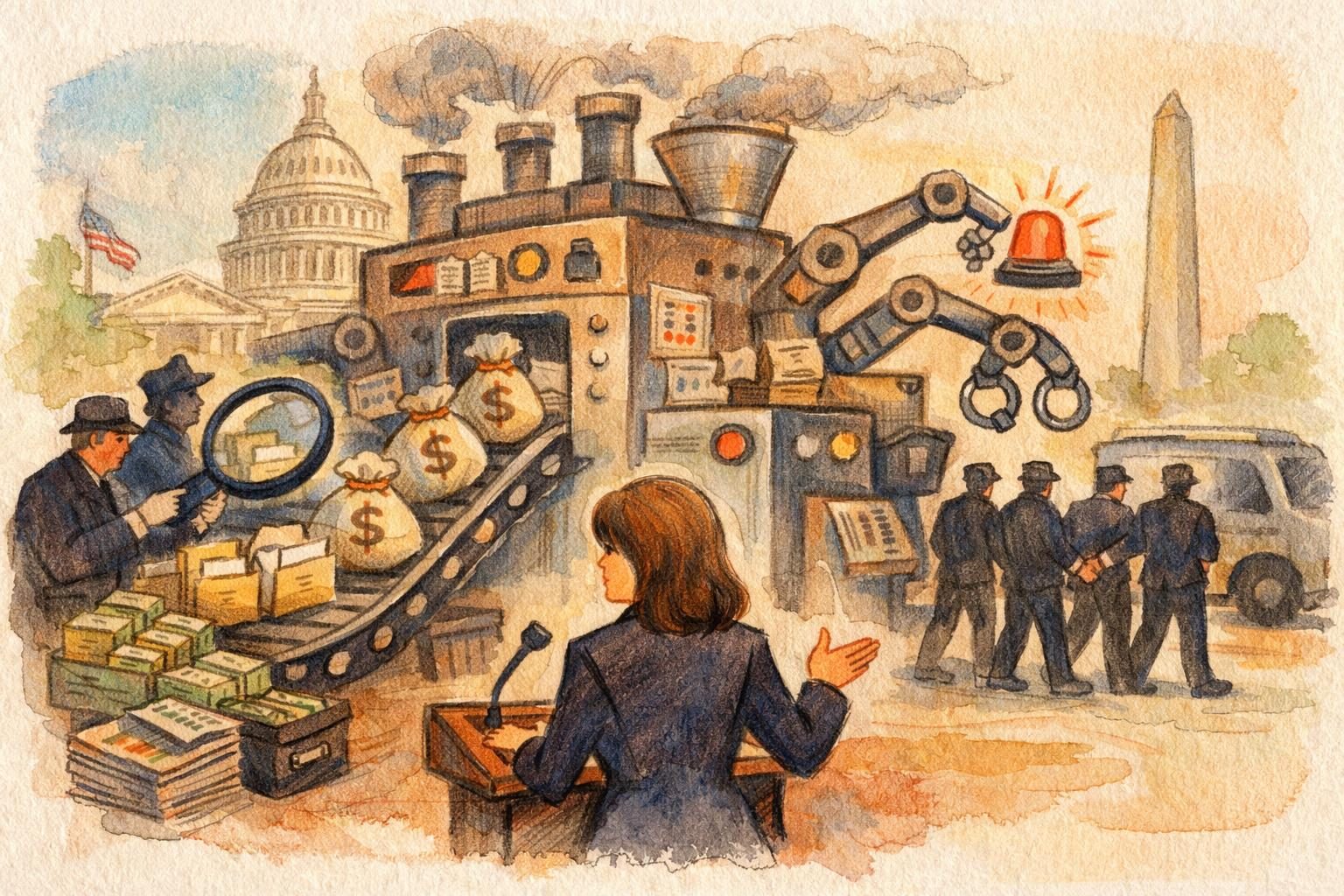
The U.S. attorney for the District of Columbia has formally created a new Fraud and Asset Recovery Division, a structural move that went into effect this month and was still reflected in the office’s materials on September 27. On paper, that may sound like a routine bureaucratic reshuffle, the kind of internal change that usually gets buried under more dramatic announcements about arrests, crime trends, or courtroom wins. But in Washington, where federal power is concentrated and the local prosecutor’s office handles an unusually broad portfolio, the creation of a new division is a meaningful signal. It tells you where the office expects to spend more time, assign more lawyers, and push harder on certain categories of cases. It also suggests that financial crime and asset recovery are being elevated from one part of a larger docket to a more central mission. In practical terms, that means more capacity to follow money, build forfeiture cases, and organize investigations around fraud rather than treating them as side matters.
The move is also notable because it fits a broader pattern of enforcement expansion that has been selling itself as common-sense public protection. Fraud cases can be politically useful for prosecutors because they let officials present themselves as guardians of the public purse while avoiding some of the more complicated debates that come with broader criminal-justice policy. A new division devoted to this work gives the office a more durable institutional footprint, which is different from simply announcing a tougher attitude or filing a few high-profile cases. It creates a dedicated lane for financial investigations, asset seizures, and the legal mechanics of recovering money that prosecutors believe should not stay in private hands. Supporters of the shift will likely argue that fraud enforcement has been underpowered for too long and that the city, as the seat of federal government, should be a place where financial misconduct is aggressively pursued. They will say that if public funds are being diverted, stolen, or hidden, the government ought to have the staff and structure to find them.
Still, the political meaning runs deeper than a standard management decision. When a U.S. attorney reorganizes an office in this way, it often reflects a judgment about both priorities and leverage. A division focused on fraud and asset recovery can change how cases are selected, how quickly they move, and how much attention gets paid to tracing bank records, shell entities, and property interests. It can also change the tone of federal enforcement in the capital, which already sits at the intersection of local crime, public corruption concerns, and national politics. That is why internal reorganizations in Washington can matter almost as much as press conferences: they are a map of where the office intends to apply pressure. The announcement of this division therefore looks less like a symbolic gesture and more like an institutional commitment to building a sharper enforcement machine. Whether that machine is used narrowly against clearly documented fraud schemes or more expansively as part of a general crackdown will depend on the cases that follow.
For now, the fallout remains early and there is no visible courtroom battle tied to the new division itself. There are no public charges announced in connection with the reorganization, and no immediate litigation that would show how the new unit will operate in practice. That absence matters, because the real significance of an office change like this is often delayed until investigators start filing cases, seeking seizures, or coordinating asset recovery actions. Even so, the creation of the division is itself a material development because it alters the enforcement architecture before any headline-grabbing prosecutions arrive. It gives the office a more formal home for financial investigations and for tools that can be very powerful when used carefully, and very aggressive when used without restraint. In a city where federal prosecutors already wield unusual influence, that kind of institutional expansion deserves attention. It may be pitched as a clean-up effort aimed at fraud, but it also adds another layer to the growing federal crackdown culture in Washington, where the promise of efficiency often arrives hand in hand with a broader reach of state power.
Comments
Threaded replies, voting, and reports are live. New users still go through screening on their first approved comments.
Log in to comment
No comments yet. Be the first reasonably on-topic person here.