
Justice Department keeps widening its election-integrity dragnet with new charges and monitoring plans
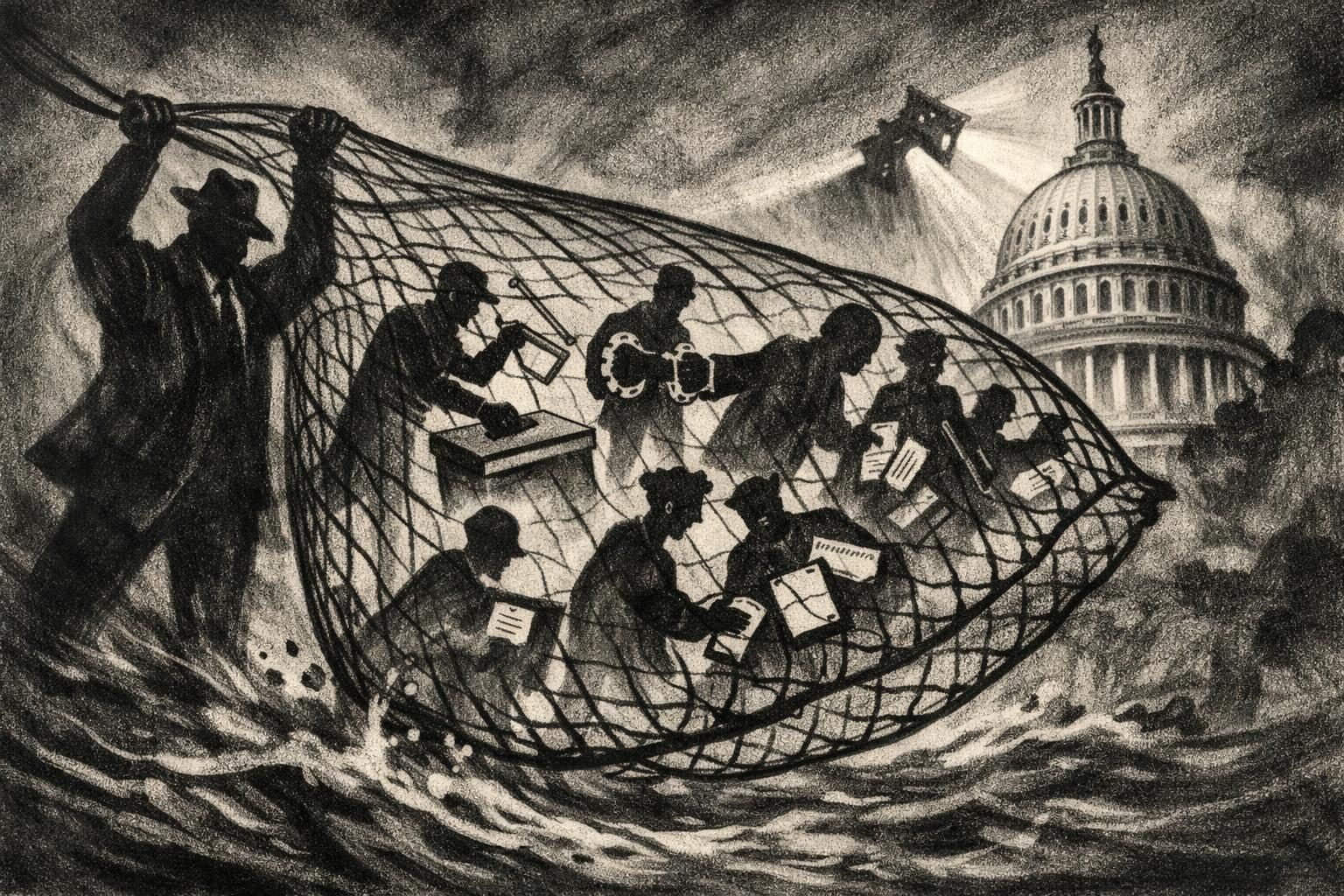
The Justice Department spent another two days putting election integrity at the center of its public messaging, pairing criminal cases with monitoring plans and enforcement announcements that together amount to a steadily widening dragnet. The latest burst of activity included charges tied to alleged illegal voting and false claims of citizenship, along with a broader insistence that voting-related fraud remains a serious federal concern. The department is not treating these matters as isolated local disputes or routine court filings. It is using them as visible proof points in a sustained campaign meant to show that federal prosecutors are watching closely, moving aggressively, and willing to make examples of defendants accused of crossing the line. That approach gives the administration a ready-made narrative about protecting elections, but it also turns ordinary enforcement into a high-profile political signal.
The public record now shows more than a single prosecution or a one-off statement. In recent days, the department has announced enforcement actions tied to election integrity, said it will monitor certain election-related activity, and highlighted cases involving alleged fraudulent registration or unlawful voting by people accused of making false citizenship claims. One filing described five defendants in Pennsylvania, New Jersey, and Wisconsin who were charged with illegally voting or submitting fraudulent registration information. Another press release said federal prosecutors in Texas had charged seven non-citizens in a case framed as a sweeping crackdown on illegal voting. Those are serious allegations, and prosecutors are entitled to bring them if the evidence supports them. But the larger pattern matters too, because the department is clearly trying to connect the cases into a broader story about systemwide vigilance rather than discrete acts of alleged misconduct. The machinery of enforcement is being presented as part of the message itself.
That matters because election administration sits in a sensitive zone where law enforcement can quickly start to look like political theater. Illegal voting is a real crime, and no serious observer would argue that prosecutors should ignore it. But the scale of the problem has to be described carefully, especially when federal officials are using criminal cases to reinforce a public argument about the integrity of elections. When the government emphasizes a small number of charged cases as evidence of a larger threat, it risks blurring the line between proven misconduct and an insinuated crisis. Civil-rights advocates have long warned that broad anti-fraud messaging can create a chilling effect, especially for communities that already face confusion, language barriers, or distrust of the system. Even if each individual case is narrowly justified, the cumulative effect of repeated announcements can still be intimidation in practice. The legal issue is not whether fraud exists at all. It is whether the department is presenting it in a way that fairly reflects the evidence rather than amplifying fear.
The enforcement push also fits a wider Republican-administration habit of treating election administration as a law-and-order arena where federal intervention can be turned into a political asset. That strategy is useful because it lets the administration claim both toughness and vigilance, while positioning prosecutors as defenders of the franchise. Yet it also invites overreach, because a high volume of announcements can create the impression that the government is solving a sprawling national problem even when the underlying cases remain limited in number and scope. The current evidence supports the existence of the investigations, the monitoring steps, and the criminal charges described in the department’s public materials. It does not, by itself, prove the much larger narrative that election fraud is rampant or that the system is on the brink of collapse. That gap between what is charged and what is actually demonstrated is the center of the story. The department keeps widening the dragnet, but the rhetoric still runs well ahead of the record.
Comments
Threaded replies, voting, and reports are live. New users still go through screening on their first approved comments.
Log in to comment
No comments yet. Be the first reasonably on-topic person here.