
Gold Star proclamation turns a solemn day into another presidential branding exercise
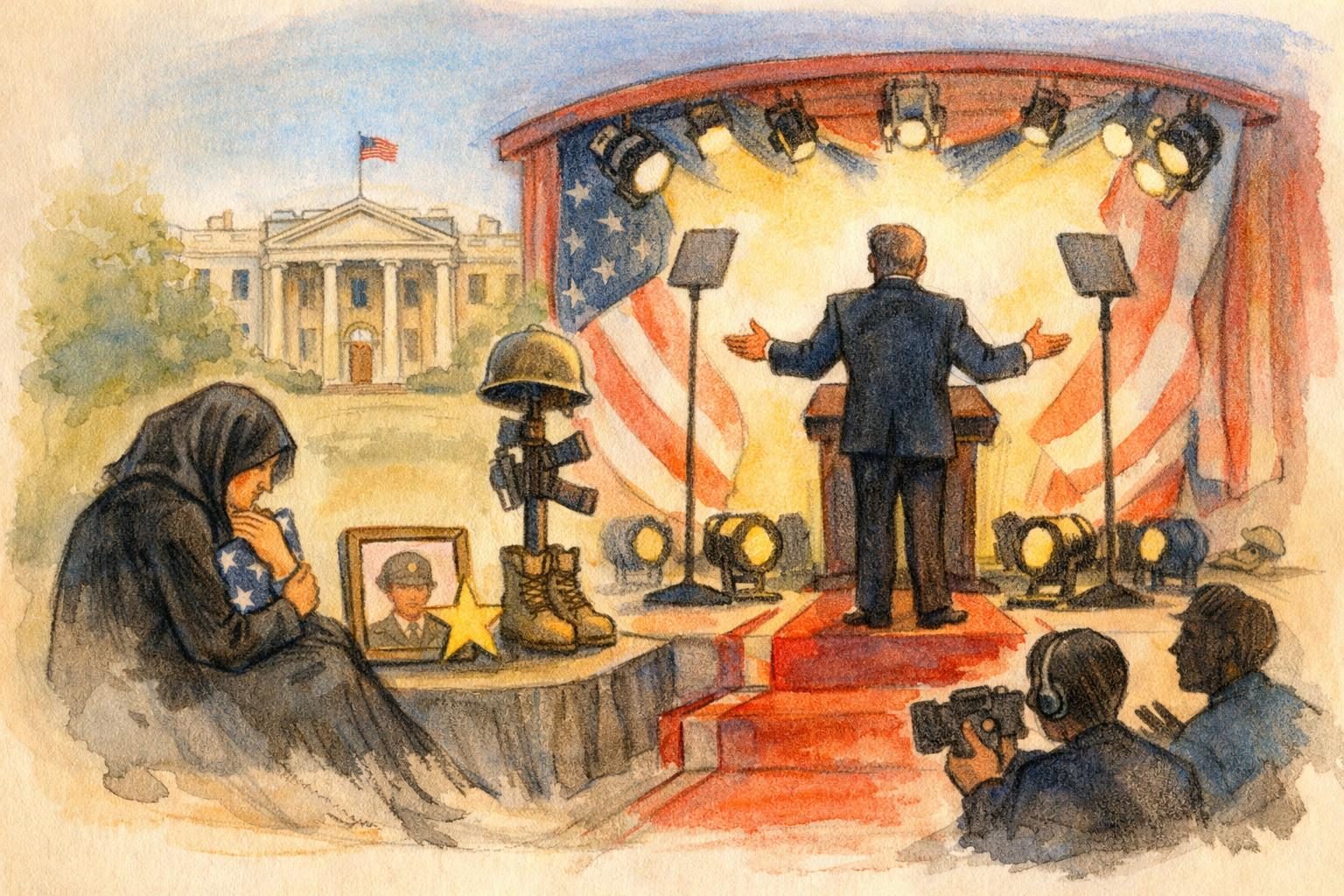
The White House used the calendar’s quietest kind of public ritual to do what it increasingly does best: turn a solemn observance into another opportunity for presidential framing. On September 27, the administration marked Gold Star Mother’s and Family’s Day with a proclamation signed two days earlier and posted in the presidential actions feed that morning. In the normal run of government, this would be the sort of statement that appears, is read by a handful of people, and then settles into the archive with the rest of the ceremonial paperwork. It acknowledges military loss, directs public attention toward families who have endured it, and asks the country to pause in recognition. None of that is unusual, and none of it is controversial in itself. What stands out is not the existence of the proclamation, but the way it fits into a broader governing style that keeps folding civic observance into an unmistakably political performance.
The text itself is the expected language of tribute. It honors the sacrifices of service members who died for the country, extends gratitude to the families left behind, and calls for flags to be flown and ceremonies to be held in their name. That is the proper vocabulary of the occasion, and there is no serious argument against the idea that the nation should formally recognize Gold Star mothers and families. But the administration’s treatment of these moments tends to make even the most basic acts of remembrance feel like part of a branding operation. The proclamation does not simply commemorate; it also reinforces the tone and style the White House uses across its communications, where public ceremony is rarely allowed to remain merely ceremonial. The effect is subtle, but it is there. A day of mourning and respect is pressed into service as another proof point for a presidency that likes to wrap itself in national symbols while insisting on personal authorship of the script.
That matters because the proclamation landed in an environment already defined by much sharper and more consequential conflicts. Compared with policy moves that have immediate legal, social, or administrative consequences, this one is nearly frictionless. It does not create a new rule, cut a benefit, or change how any agency operates. It does not produce the kind of harm that can be measured in lawsuits, reversals, or direct impacts on people’s daily lives. Yet it still reveals something important about how the administration operates: it treats messaging as governance-adjacent power, and it uses presidential symbolism with an intensity that can make routine state functions feel ideologically curated. In that sense, the proclamation is not an isolated nicety. It is part of the same machinery that keeps the White House in permanent performance mode, where official language is designed as much to signal identity and loyalty as to inform.
The low stakes of the event are also what make it worth noting in the first place. If the administration were only issuing a standard commemorative statement, there would be little to say beyond the fact that it happened. But because every civic observance is now handled through the same branded communications pipeline, even a respectful gesture carries a faint whiff of stagecraft. The proclamation sits inside the larger pattern of a presidency that likes to convert administrative routine into ideological theater, whether the topic is military sacrifice, public holidays, national symbols, or any other occasion that can be wrapped in ceremonial language. That does not make the proclamation false or offensive on its face. It does make it part of a communications culture that treats the office less as a steward of institutions than as the central character in a continuous national narrative. The practical fallout is minimal, which is why this remains a low-severity story. But as a signal of method, it is clear enough. The White House is still using the machinery of remembrance to reinforce the presidency’s own image, and that habit says as much about the administration as the proclamation itself.
Comments
Threaded replies, voting, and reports are live. New users still go through screening on their first approved comments.
Log in to comment
No comments yet. Be the first reasonably on-topic person here.