
The Missouri map fight keeps punishing Republicans in court
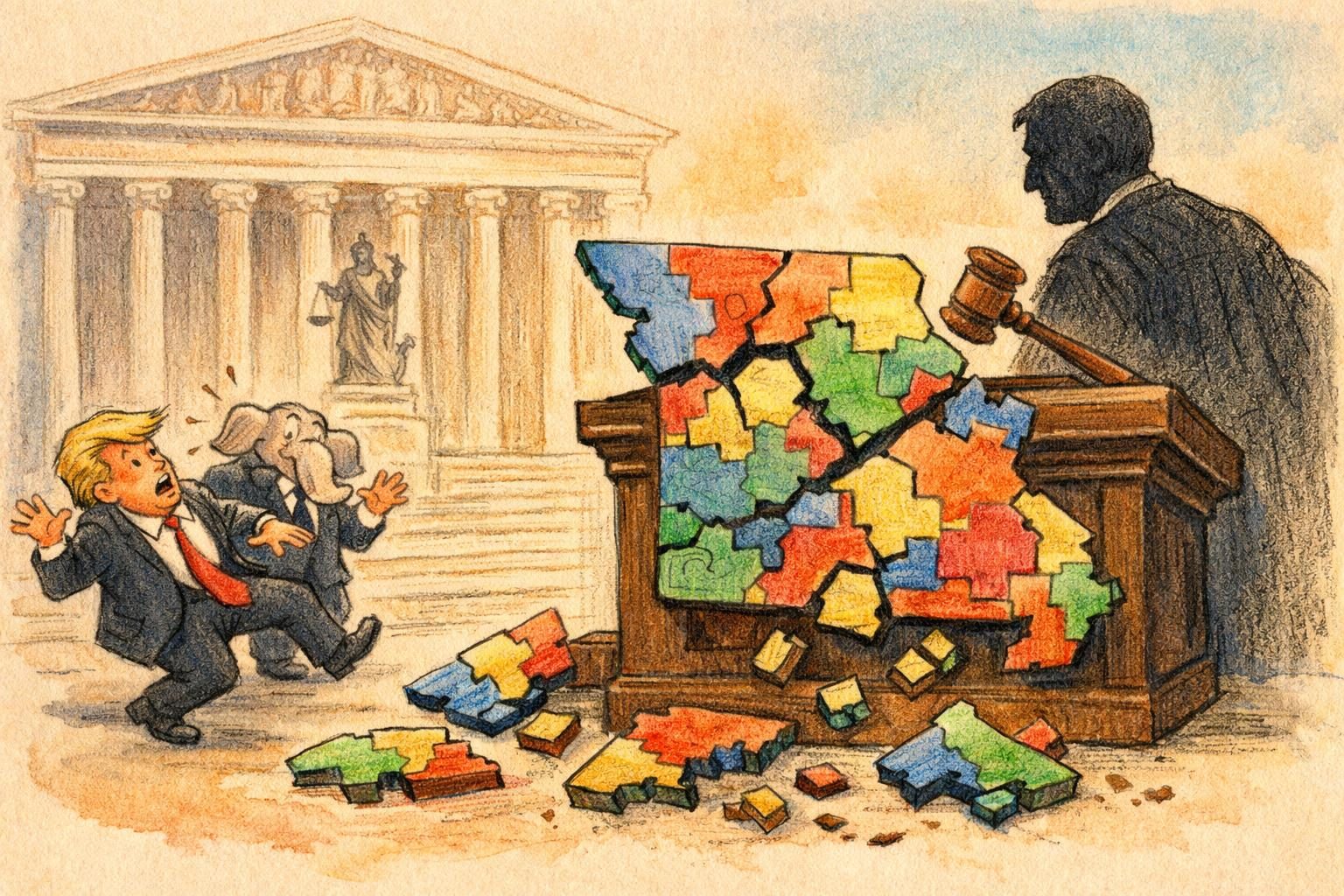
The Supreme Court’s decision not to revive a Trump-backed Missouri congressional map is a sharp reminder that election fights increasingly turn on who gets to draw the lines before anyone gets to cast a ballot. For now, the state will continue using the congressional districts that were in place for the 2022 and 2024 election cycles, rather than the more Republican-friendly version that GOP allies had tried to bring back. That may sound like a procedural wrinkle, but in practice it determines what kind of race Missouri voters will see in November. In a year when control of Congress is likely to hinge on a handful of seats, the difference between one district configuration and another can shape fundraising, candidate recruitment, turnout strategy, and even who decides to run at all. The court’s move does not settle the broader fight over redistricting, but it does deny Republicans an immediate victory and forces them to compete under the older map.
The stakes are high because redistricting is one of the most powerful tools in modern politics, and its effects usually last far longer than the headlines that announce it. A map can protect incumbents, concentrate opposition voters, and tilt a state’s delegation toward one party without changing a single law on the books. That is why map battles are fought with such intensity in courts as well as legislatures, and why even temporary rulings can matter so much. Missouri’s case shows how a legal decision can preserve the status quo just long enough to matter in a real election, which is exactly what the parties are trying to prevent or secure depending on which side they are on. For Democrats and voting-rights advocates, keeping the older lines in place is a meaningful defensive result. It does not guarantee success in the state or beyond, but it does stop a Republican-friendlier redraw from being used in the 2026 cycle. For Republicans, it is another sign that the timetable they wanted is not the timetable they got.
What makes the Missouri dispute especially revealing is that it sits inside a much larger national race to use courts as an extension of campaign strategy. Both parties understand that a favorable district map can be worth more than months of advertising, because it changes the terrain before the contest begins. As a result, legal filings, emergency requests, and appellate rulings increasingly function like campaign events, with each side trying to turn a procedural win into a message about momentum and legitimacy. That dynamic helps explain why the court’s refusal to restore the Missouri map is more than a local disappointment. It is part of a broader pattern in which partisans try to lock in advantage ahead of the 2026 midterms and then defend that advantage with the language of law rather than the language of persuasion. The result is a political system that often asks judges to do work that voters are supposed to do, and then presents the aftermath as if it were ordinary governance. It may be efficient for politicians who prefer preloaded outcomes, but it is corrosive to the idea that elections should be decided on equal terms.
For the immediate future, the practical effect is simple: Missouri candidates will campaign under a known set of district lines, and the Republican effort to alter the map has lost another round. That does not mean the legal fight is over, and it does not mean other map battles in other states will end the same way. Redistricting disputes are usually messy, technical, and slow-moving, which is part of what makes them so potent. They can outlast news cycles while still shaping the political environment that voters encounter on Election Day. In Missouri, the older map now remains the one that counts, and that alone is enough to change how campaigns plan the next year. Republicans still have every reason to try to win seats in the state, but they will have to do it without the court-ordered advantage they were seeking. That is not a final defeat in the broader war over congressional control, but it is a concrete setback in one of the places where that war is being fought most aggressively.
Comments
Threaded replies, voting, and reports are live. New users still go through screening on their first approved comments.
Log in to comment
No comments yet. Be the first reasonably on-topic person here.